
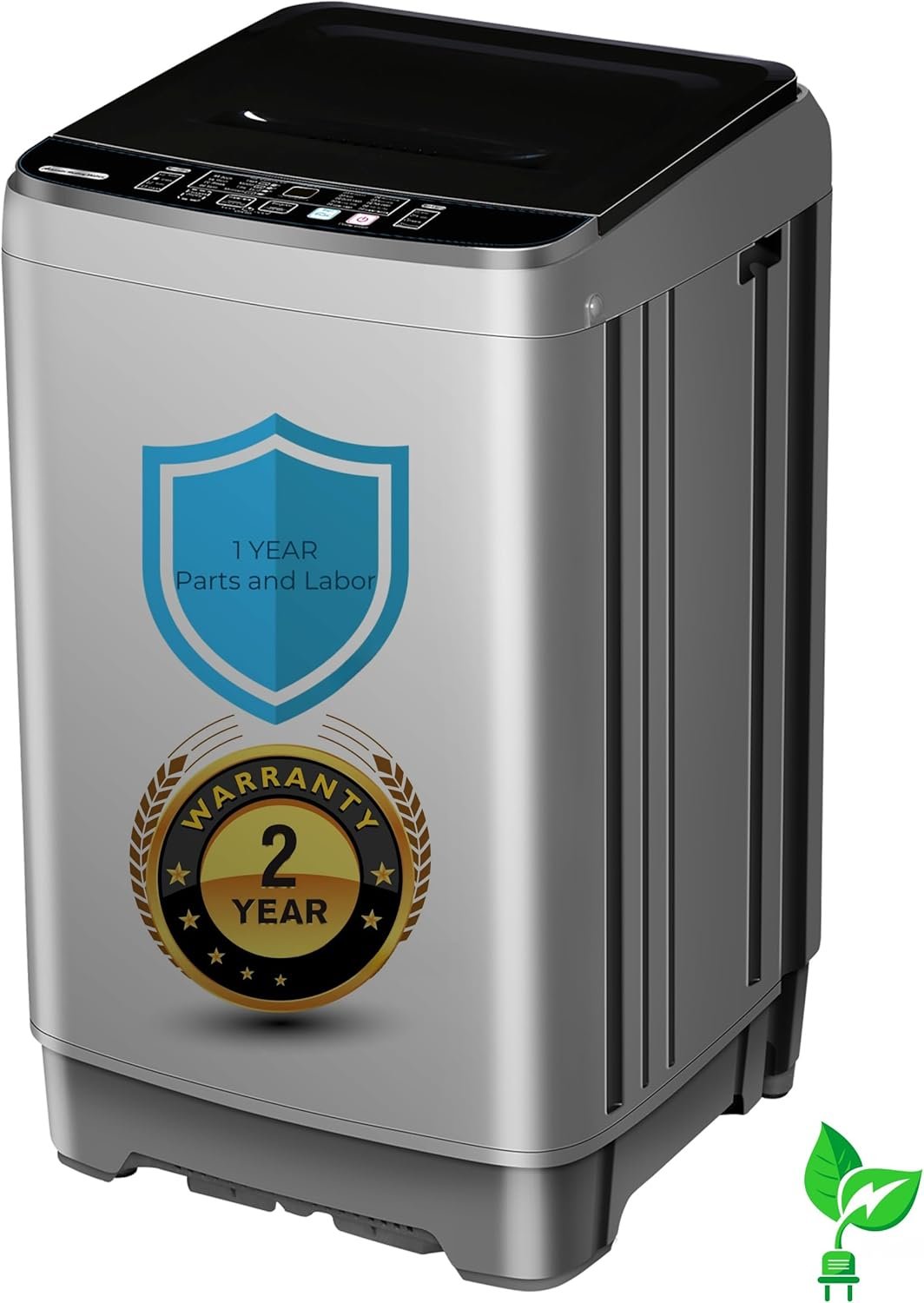
The Importance of Choosing the Right Washer
In 2026, laundry appliances have evolved beyond basic functionality to become essential tools for modern households. The right washing machine can significantly impact daily life, from reducing water and energy consumption to accommodating diverse fabric care needs. For urban dwellers, apartment residents, and those with limited storage space, a compact, efficient washer is not just a convenience—it’s a necessity. The market now offers appliances that balance performance with space-saving design, but selecting the optimal model requires careful evaluation of key factors.
Load capacity, energy efficiency, noise levels, and cycle versatility are critical considerations. A washer that meets these criteria can streamline laundry routines while minimizing environmental impact. However, trade-offs often exist—such as reduced capacity for compact designs or limited drying options. Understanding these specifications helps consumers align their choices with their household needs. This review examines a 2.0 cubic foot portable washer, analyzing its performance, design, and suitability for various users. By focusing on engineering principles and user-centric features, this analysis provides actionable insights for informed purchasing decisions.
Quick Overview
| Feature | Details |
|---|---|
| Appliance Type | Portable Washing Machine |
| Load Capacity | 2.0 Cubic Feet |
| Installation Type | Freestanding |
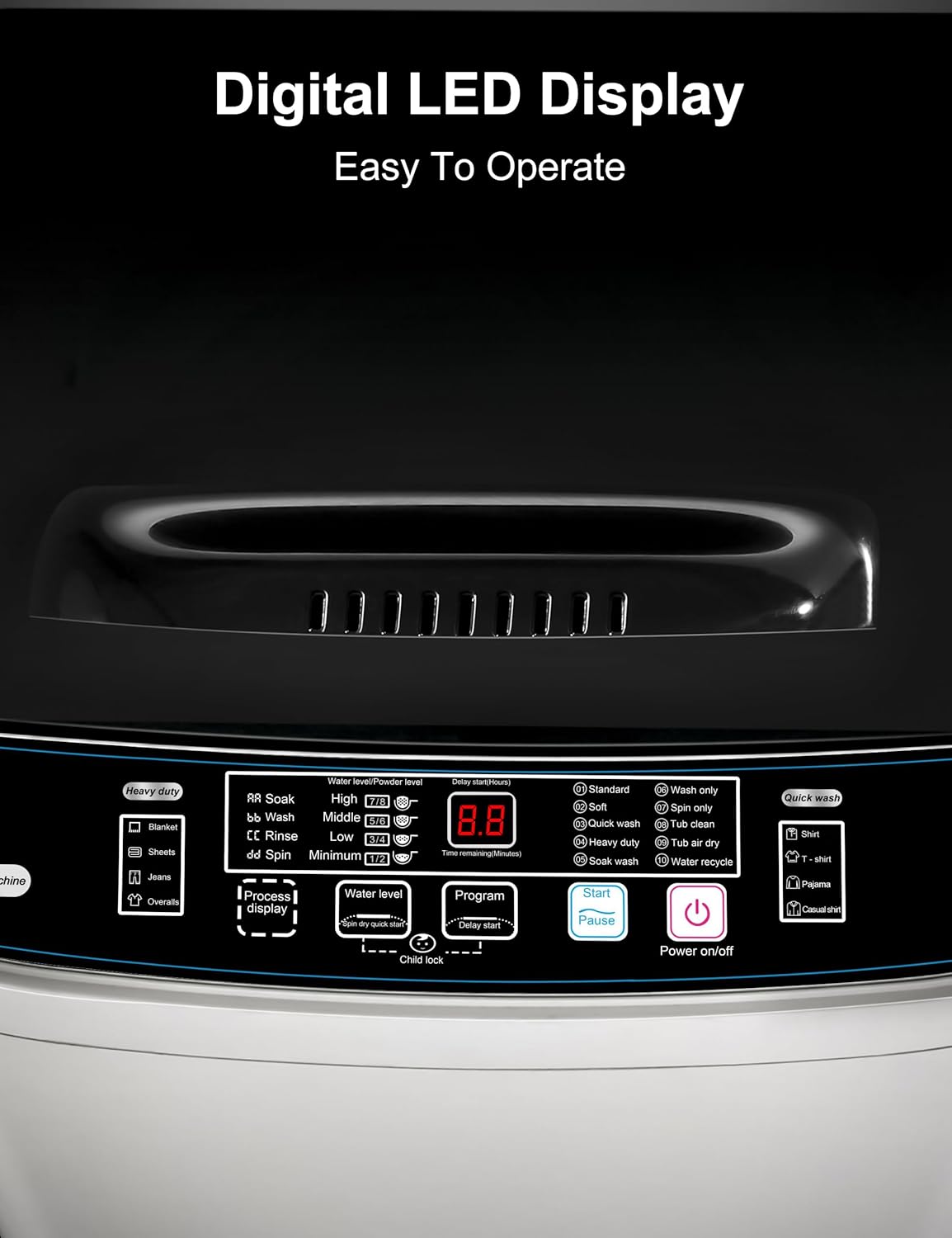
| Control System | Push Button with LED Display |
| Standard Cycles | 10 Wash Modes (Quick Wash, Heavy Duty, Spin, Tub Clean, Soak Wash, Tub Air Dry, Water Recycle) |
| Energy Efficiency | High-Efficiency Motor, 24-Hour Delayed Washing |
| Intended Household Size | 1–2 People |
| Noise Level | 55 Decibels |
| Material | Plastic |
| Dimensions | 19.7″D x 19.7″W x 33.66″H |
| Weight | 43 Pounds |
This portable washer combines compact design with functional versatility, making it ideal for small living spaces. Its 2.0 cubic foot capacity caters to single users or couples, while energy-efficient features reduce resource consumption. The 55-decibel noise level ensures minimal disruption, and the 10 wash modes accommodate diverse laundry needs. However, its plastic construction and limited capacity may impact long-term durability and suitability for larger households.

Load Capacity and Household Suitability
The 2.0 cubic foot capacity of this washer is optimized for smaller households, providing sufficient space for daily laundry while maintaining a compact footprint. For single users or couples, this size ensures efficient washing without overwhelming the machine. However, families with more laundry demands may find the capacity restrictive, as it cannot accommodate bulky items like bedding or large garments. The design prioritizes space efficiency over bulk, which aligns with the needs of urban dwellers and apartment residents.
Capacity vs. Household Size
A 2.0 cubic foot washer is generally suitable for 1–2 people, as it can handle standard laundry loads without requiring multiple cycles. For households with three or more members, this capacity may lead to frequent refills, increasing time and energy consumption. The machine’s energy-efficient motor helps mitigate these challenges by optimizing water and electricity use, but the physical limitations of the drum size remain a constraint. This makes it an ideal choice for individuals or small households prioritizing space and efficiency over bulk capacity.
Limitations of Compact Design
While the compact size enhances portability, it also restricts the types of items that can be washed. Bulky or heavily soiled garments may require multiple cycles, which could be inconvenient for users with higher laundry volumes. Additionally, the plastic construction, while lightweight, may not withstand prolonged use as effectively as stainless steel or reinforced materials. These trade-offs highlight the importance of matching the washer’s capacity to the user’s specific needs.
Suitability for Specific Use Cases
This model excels in environments where space is a premium, such as dorm rooms, RVs, and small apartments. Its lightweight design and freestanding installation make it easy to move and store. However, users in larger households or those with frequent laundry needs should consider models with higher capacity. The 2.0 cubic foot size is particularly well-suited for individuals who prioritize portability and energy efficiency over expanded load capacity.
Energy and Water Efficiency
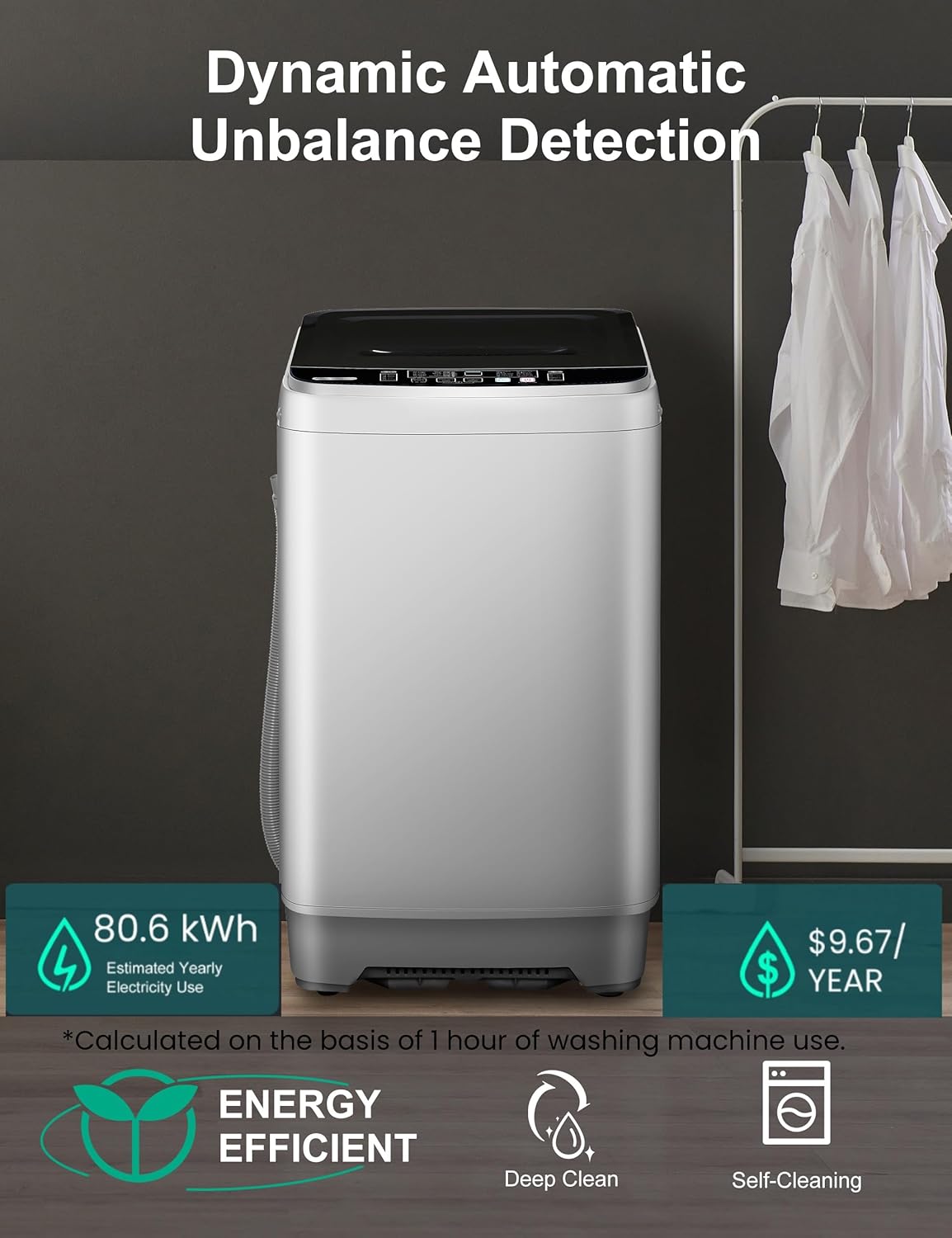
Energy efficiency is a cornerstone of modern laundry appliances, and this washer incorporates a high-efficiency motor to minimize resource consumption. The 24-hour delayed washing feature allows users to optimize energy use by running cycles during off-peak hours. This not only reduces electricity costs but also aligns with broader sustainability goals. Additionally, the machine’s water recycling mode helps conserve water, making it an eco-friendly option for households conscious of their environmental impact.

High-Efficiency Motor Performance
The high-efficiency motor ensures that the washer operates with minimal energy consumption while maintaining effective cleaning performance. This is particularly beneficial for users in regions with high electricity costs or those seeking to reduce their carbon footprint. The motor’s design also contributes to the machine’s quiet operation, as it minimizes mechanical resistance and heat generation. These factors collectively enhance the washer’s appeal for environmentally minded consumers.
Water Recycling and Conservation
The water recycle mode is a standout feature, as it reduces the total water usage by reusing rinse water for subsequent cycles. This is especially advantageous in areas with water scarcity or for users aiming to lower their utility bills. However, the effectiveness of this feature depends on the quality of the water being recycled, which may require additional filtration for optimal results. The machine’s IPX4 waterproof rating adds an extra layer of protection, ensuring that the internal components remain safe in humid environments.
Environmental Impact and Cost Savings
By integrating energy-efficient and water-saving technologies, this washer aligns with the growing demand for sustainable appliances. The combination of a high-efficiency motor and water recycling mode can lead to significant long-term savings on utility bills. However, the initial cost of these advanced features may be higher compared to standard models. For users prioritizing environmental responsibility, the long-term benefits outweigh the upfront investment.
Noise, Vibration, and Balance Control
Noise levels are a critical factor for laundry appliances, particularly in shared living spaces or residential areas. This washer operates at 55 decibels, which is comparable to a quiet conversation, making it suitable for apartments and dorms. The dynamic unbalance detection system ensures stable operation by minimizing vibrations, which not only prolongs the appliance’s lifespan but also enhances user comfort.

Quiet Operation and User Experience
The 55-decibel noise level is a significant advantage, as it reduces disturbances during laundry cycles. The transparent lid design allows users to monitor the washing process without opening the machine, further contributing to a quiet environment. This feature is particularly beneficial for households with young children or pets, as it minimizes disruptions while maintaining visibility into the laundry process.
Vibration Control and Stability
The dynamic unbalance detection system plays a crucial role in maintaining stability during operation. By continuously monitoring the drum’s balance, the machine prevents excessive vibrations that could lead to mechanical wear or noise. This system is especially important for portable units, as it ensures smooth performance even when the machine is moved or placed on uneven surfaces.
Safety and Durability Considerations
The combination of noise reduction and vibration control contributes to the washer’s overall durability. The IPX4 waterproof rating also enhances safety by protecting internal components from moisture, which is essential for maintaining long-term performance. These design elements make the machine a reliable choice for users who prioritize quiet operation and mechanical stability.
Installation and Space Requirements
The freestanding installation type of this washer offers flexibility in placement, making it suitable for a variety of environments. Its compact dimensions (19.7″D x 19.7″W x 33.66″H) and lightweight design (43 pounds) allow it to be easily stored or moved when not in use. However, the lack of built-in drying capabilities means users must consider additional space for a separate dryer or air-drying solutions.

Space-Saving Design and Mobility
The machine’s compact size is ideal for small living spaces, as it occupies minimal floor area while still providing adequate washing capacity. Its lightweight construction makes it easy to transport, which is beneficial for users who need to relocate or store the appliance temporarily. The freestanding design eliminates the need for permanent installation, offering greater flexibility in placement.
Storage and Placement Considerations
Users should ensure there is sufficient clearance around the machine for proper ventilation and access to controls. While the compact design is advantageous, it may require additional space for accessories like detergent dispensers or drying racks. The machine’s IPX4 rating also means it can be used in humid environments without compromising performance, making it a versatile option for various living conditions.
Compatibility with Other Appliances
For households without a dedicated dryer, this washer’s portability and efficiency make it a practical choice. However, users should plan for additional space to accommodate drying solutions, such as a clothesline or a compact dryer. The machine’s energy-efficient features complement these solutions, creating a streamlined laundry workflow.
Pros & Cons
Pros
- Energy Efficiency: The high-efficiency motor and 24-hour delayed washing feature reduce electricity consumption, making it cost-effective for long-term use.
- Quiet Operation: Operating at 55 decibels, it minimizes noise disruption in shared or residential spaces.
- Multiple Wash Modes: The 10 selectable cycles cater to diverse laundry needs, including specialized settings for different fabrics.
- Water Recycling: The water recycle mode conserves water, aligning with sustainability goals and reducing utility bills.
- IPX4 Waterproofing: The waterproof rating ensures durability in humid environments, extending the machine’s lifespan.
- Compact Design: The 2.0 cubic foot capacity and lightweight construction make it ideal for small spaces like apartments and dorms.
Cons
- Limited Capacity: The 2.0 cubic foot size may not be sufficient for larger households or frequent laundry needs.
- Plastic Construction: While lightweight, the plastic components may not be as durable as stainless steel or reinforced materials.
- No Built-In Drying: The lack of a dryer function requires additional space or time for air-drying.
- Installation Limitations: As a freestanding unit, it lacks the stability of permanently installed machines, which may affect performance in certain environments.
- Noise in High-Load Cycles: While generally quiet, the machine may produce more noise during heavy-duty cycles, which could be a concern for sensitive users.
Final Verdict: Who This Washer or Dryer Is Best For (and Who Should Skip It)
This portable washer is best suited for individuals or small households with limited space and a focus on energy efficiency. Its compact design, quiet operation, and multiple wash modes make it an excellent choice for apartments, dorms, and RVs. The water recycling feature and IPX4 rating also add value for users in humid environments or those prioritizing sustainability. However, it may not be ideal for larger families or those with high laundry volumes, as the 2.0 cubic foot capacity could lead to frequent refills. Additionally, the lack of built-in drying means users must plan for separate drying solutions. For those seeking a balance between portability and performance, this washer offers a practical solution, but it’s important to consider its limitations when making a purchase decision.

Frequently Asked Questions (FAQs)
Is this portable washer suitable for large households?
This 2.0 cubic foot washer is best suited for 1–2 people due to its limited capacity. Larger households may find it restrictive, as it cannot accommodate bulky items or frequent laundry loads. For families with higher demands, a larger-capacity model would be more appropriate.
How energy-efficient is this portable washer?
The washer features a high-efficiency motor and a 24-hour delayed washing function, which optimize energy use. These technologies reduce electricity consumption while maintaining effective cleaning performance, making it an eco-friendly choice for long-term use.
Can this washer handle heavy-duty laundry?
The machine includes a heavy-duty wash mode, which is suitable for washing moderately soiled items. However, its 2.0 cubic foot capacity may limit its effectiveness for heavily soiled or bulky garments, which may require multiple cycles.
What is the noise level of this washer?
Operating at 55 decibels, this washer produces a quiet, conversational-level noise. This makes it ideal for apartments, dorms, and shared living spaces where minimizing disruptions is important.
Does this washer have a built-in dryer?
No, this portable washer does not include a built-in dryer. Users must rely on air-drying solutions or a separate dryer for efficient laundry processing. The machine’s water recycling mode helps reduce drying time when used in conjunction with other drying methods.
Is the washer suitable for humid environments?
Yes, the washer’s IPX4 waterproof rating ensures it can withstand humid conditions without damaging internal components. This makes it a durable option for use in bathrooms, laundry rooms, or areas with high moisture levels.
Can this washer be moved easily?
The lightweight design and freestanding installation allow the washer to be easily moved and stored. Its compact size and portability make it well-suited for temporary relocation or space-constrained environments like RVs and dorms.
What are the limitations of the plastic construction?
The plastic components offer a lightweight and cost-effective solution but may not be as durable as stainless steel or reinforced materials. While suitable for regular use, they may wear out more quickly under heavy or prolonged use compared to more robust alternatives.