
The Importance of Choosing the Right Washer and Dryer
Selecting the right washer and dryer is a critical decision for any household, as these appliances directly impact daily routines, energy costs, and long-term maintenance. With rising utility expenses and growing awareness of sustainability, consumers are increasingly prioritizing efficiency, capacity, and smart integration in their laundry appliances. A washer that fails to clean thoroughly or a dryer that damages fabrics can lead to repeated cycles, higher water and energy use, and premature wear on clothing. Conversely, an appliance that combines powerful performance with intelligent features can reduce manual effort, optimize resource use, and adapt to diverse laundry needs. From small apartments to multi-generational homes, the right combination of load capacity, energy efficiency, and user-friendly design can transform laundry day into a seamless process. This review evaluates the Samsung White Top Load High-Efficiency Smart Washer/Dryer Pair, focusing on its capacity, performance, energy efficiency, and smart connectivity to help buyers determine whether it aligns with their specific household requirements.
Quick Overview
| Feature | Details |
|---|---|
| Appliance Type | Washer & Electric Dryer Combo |
| Load Capacity | 4.7 cu. ft. washer / 7.4 cu. ft. dryer |
| Installation Type | Freestanding with included vent, power cable, and water hoses |
| Control System | Smart Care connectivity for cycle monitoring |
| Key Cycles | Multiple wash programs, moisture-sensing dry cycles |
| Energy Efficiency | Energy Star Certified |
| Intended Household Size | Medium to large families |
| Warranty | 12-Month CPS Protection Plan |
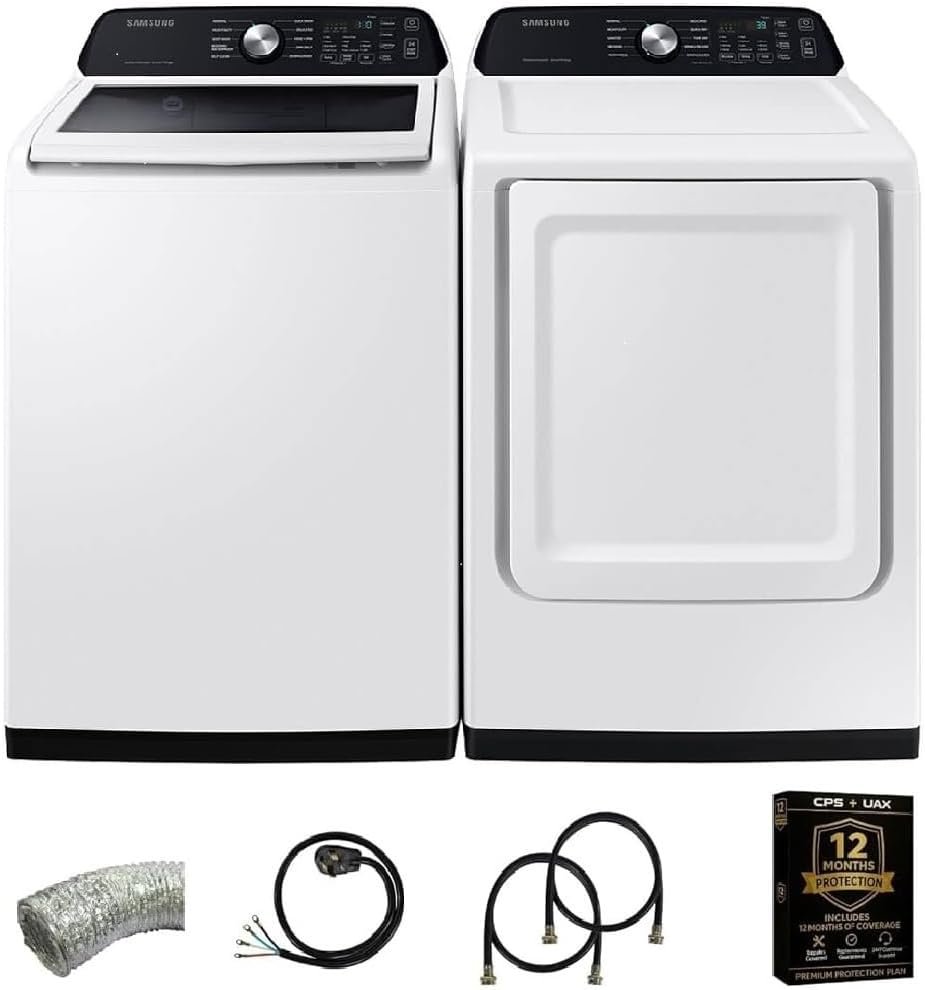
The Samsung washer and dryer pair is designed for households seeking a balance between capacity and efficiency. The included vent, power cable, and water hoses simplify installation, while the Energy Star certification ensures reduced utility costs. The Smart Care system allows users to monitor cycles remotely, offering convenience for those with busy schedules. These specifications collectively address the needs of families with frequent laundry demands, emphasizing space efficiency and energy-conscious operation.
Load Capacity and Household Suitability
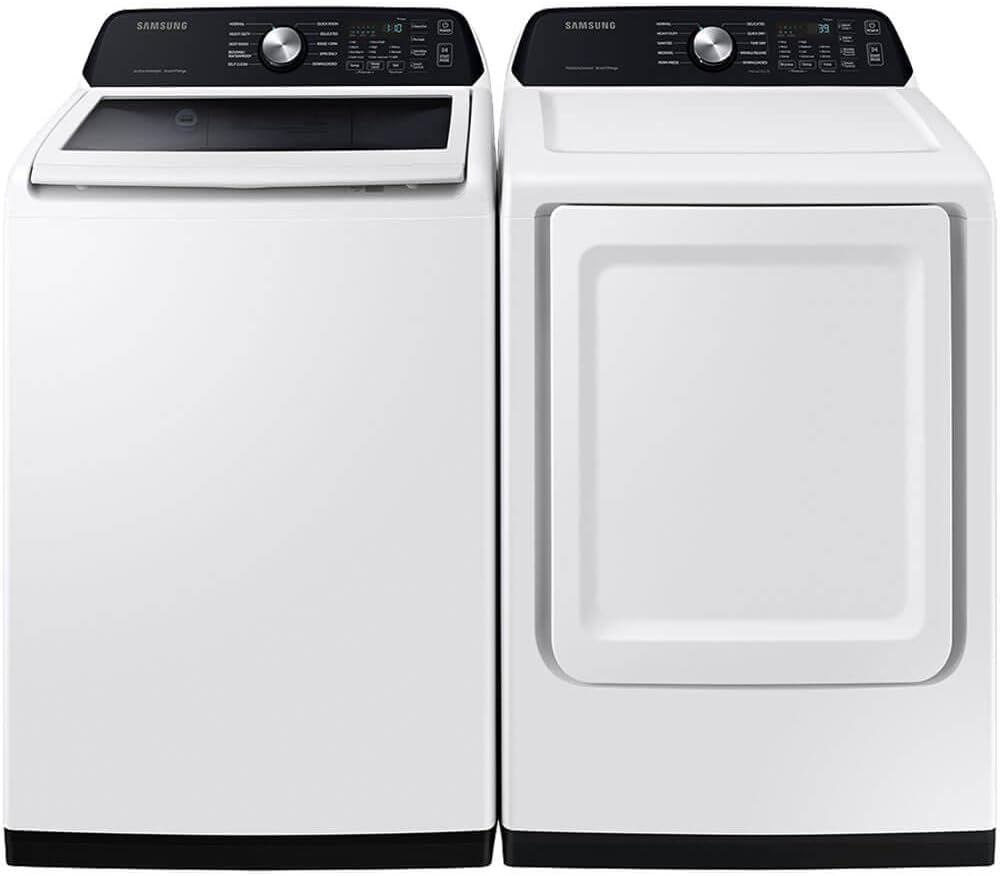
The washer and dryer pair’s capacity is a key consideration for households with varying laundry needs. The 4.7 cu. ft. washer is suitable for handling large loads, including bedding, towels, and bulky items, while the 7.4 cu. ft. dryer ensures even drying for multiple garments. This combination is ideal for medium to large households, as it reduces the frequency of cycles and minimizes the risk of overloading. For smaller households, the capacity may represent an overkill, but the ability to process larger loads in fewer cycles can save time and water.

Washer Capacity and Load Handling
The 4.7 cu. ft. washer’s large capacity is optimized for deep cleaning using high-efficiency water jets. This design allows for thorough rinsing and reduced water usage, which is particularly beneficial for households with high laundry volumes. The washer’s ability to handle bulky items like bedding and towels without compromising performance makes it a practical choice for families with diverse laundry needs. However, users should be mindful of overloading, as this can lead to uneven cleaning and increased energy consumption.
Dryer Capacity and Drying Efficiency
The 7.4 cu. ft. dryer’s expanded capacity ensures faster drying times for multiple garments, reducing the need for frequent cycles. Advanced moisture sensors adjust drying duration based on fabric type, preventing over-drying and fabric damage. This feature is especially valuable for households with mixed laundry loads, as it maintains optimal drying conditions for delicate fabrics and heavy-duty items. The dryer’s ability to process larger volumes of laundry in a single cycle also contributes to energy efficiency by minimizing the number of cycles required.
Suitability for Different Household Sizes
For families with three to five members, the washer and dryer pair’s combined capacity is well-suited to handle regular laundry demands. The ability to process large loads in fewer cycles is particularly advantageous for households with limited time or space. However, smaller households may find the capacity excessive, as it could lead to underutilization of the appliance. The design’s focus on large-load efficiency makes it ideal for those prioritizing convenience over minimal space requirements.
Energy and Water Efficiency
Energy and water efficiency are critical factors for modern households seeking to reduce utility costs and environmental impact. The Samsung washer and dryer pair’s Energy Star certification indicates compliance with strict energy efficiency standards, ensuring reduced power consumption without compromising performance. The washer’s high-efficiency water jets and precise temperature control minimize water usage, while the dryer’s moisture sensors optimize energy use by adjusting drying cycles based on load conditions. This combination of features makes the appliance a strong contender for households prioritizing sustainability.

Energy Star Certification and Power Consumption
As an Energy Star-certified appliance, the Samsung washer and dryer pair meets or exceeds federal guidelines for energy efficiency. This certification ensures that the washer uses significantly less water and electricity compared to standard models, contributing to long-term cost savings. The dryer’s advanced sensors further enhance efficiency by preventing unnecessary energy use during the drying process. These features are particularly beneficial for households in regions with high energy costs, as they help reduce utility bills without sacrificing performance.
Water Efficiency and Environmental Impact
The washer’s high-efficiency water jets and multiple wash cycles reduce overall water consumption, making it an environmentally friendly option for households. The ability to clean thoroughly with fewer loads also minimizes water waste, aligning with sustainability goals. For those concerned about their environmental footprint, the appliance’s water efficiency and energy-saving features provide a compelling case for adoption. However, users should note that the dryer’s energy consumption remains relatively high due to its larger capacity and advanced drying technology.
Long-Term Cost Savings
The combination of energy and water efficiency translates to significant long-term savings for households. The washer’s reduced water usage and the dryer’s optimized energy consumption lower utility costs over time, making the appliance a cost-effective choice for frequent users. Additionally, the Energy Star certification ensures that the appliance meets rigorous efficiency standards, providing confidence in its long-term performance. These factors make the Samsung pair an attractive option for those seeking both sustainability and financial benefits.
Noise, Vibration, and Balance Control
Noise and vibration are important considerations for laundry appliances, particularly in small spaces or homes with open layouts. The Samsung washer and dryer pair incorporates Vibration Reduction Technology+ to minimize noise and movement, ensuring quiet operation even in residential environments. This feature is especially valuable for households with young children or pets, as it reduces disruptive sounds during laundry cycles. The dryer’s design also addresses vibration control, preventing excessive movement that could affect stability and longevity.
Vibration Reduction Technology+ and Quiet Operation
Vibration Reduction Technology+ is a key design element that enhances the washer’s stability and reduces noise during operation. This technology minimizes the movement of the appliance, making it suitable for placement near living areas or in apartments. The washer’s quiet operation is further supported by its high-efficiency motor and advanced balancing systems, which ensure smooth performance without excessive noise. For users in shared spaces or those sensitive to sound, this feature significantly improves the appliance’s usability.
Dryer Stability and Vibration Control
The dryer’s design includes measures to prevent excessive vibration, which can lead to structural stress and reduced lifespan. The inclusion of a dedicated vent and reinforced framework ensures that the dryer remains stable during operation, even with large loads. This stability is crucial for maintaining the appliance’s longevity and preventing damage from unbalanced loads. The dryer’s focus on vibration control also contributes to a quieter, more efficient drying process.
Placement and Space Considerations
The washer and dryer pair’s noise and vibration control features make it suitable for a variety of installation environments. The quiet operation allows for placement near living areas without causing disturbances, while the stable design ensures minimal movement during use. However, users should still consider the appliance’s footprint and ventilation requirements, as these factors can impact overall usability. Proper placement is essential for maximizing the benefits of vibration reduction and noise control.
Installation and Space Requirements
Installation is a critical factor in the usability of laundry appliances, particularly for those with limited space or DIY capabilities. The Samsung washer and dryer pair includes essential components like a dryer vent, power cable, and two water hoses, simplifying the setup process. However, users should still account for the appliance’s footprint and ventilation needs to ensure optimal performance. The design’s focus on ease of installation makes it a practical choice for households with specific spatial constraints.
Included Components and Setup Ease
The package includes a dryer vent, power cable, and two water hoses, which streamline the installation process and reduce the need for additional purchases. These components are essential for ensuring proper operation, as they facilitate airflow, power supply, and water connection. The inclusion of these items makes the appliance accessible to users with basic installation skills, eliminating the need for professional assistance in most cases.
Space Requirements and Layout Considerations
The washer and dryer pair’s footprint is designed to accommodate standard installation requirements while maximizing space efficiency. However, users should still measure their available space to ensure proper placement. The dryer’s venting requirements and the washer’s water connection points may necessitate additional clearance, which should be considered during installation. For small spaces, the appliance’s design may require careful planning to avoid layout conflicts.
Ventilation and Electrical Setup
Proper ventilation is crucial for the dryer’s performance, as it ensures efficient airflow and prevents overheating. The included vent simplifies the setup process, but users should verify that their home’s existing ventilation system can support the appliance’s requirements. Similarly, the power cable and water hoses must be connected correctly to ensure safe and efficient operation. These factors highlight the importance of following installation guidelines to avoid performance issues.
Long-Term Durability and Maintenance
Durability and maintenance are essential considerations for appliances with frequent use. The Samsung washer and dryer pair’s construction materials and design features contribute to its longevity, while the included 12-Month CPS Protection Plan provides additional assurance. However, users should be aware of potential maintenance requirements, such as filter cleaning and cycle calibration, to ensure optimal performance over time.
Material Quality and Construction
The washer and dryer pair are constructed using durable materials, including metal components for structural integrity and corrosion resistance. These materials are chosen to withstand prolonged use and environmental factors, ensuring long-term reliability. The washer’s drum and dryer’s drum are designed to minimize wear and tear, contributing to a longer lifespan. However, users should still follow maintenance guidelines to preserve the appliance’s condition.
Maintenance Requirements and User Responsibility
Regular maintenance is necessary to ensure the appliance’s continued performance. This includes cleaning filters, checking for leaks, and calibrating cycles to maintain efficiency. The washer’s self-clean cycle and the dryer’s moisture sensors help reduce manual maintenance tasks, but users should still inspect the appliance periodically for signs of wear or damage. Proper maintenance can extend the appliance’s lifespan and prevent costly repairs.
Warranty and Support
The 12-Month CPS Protection Plan provides coverage for potential defects or malfunctions, offering peace of mind for users. While this warranty is a valuable feature, it does not cover routine maintenance or accidental damage. Users should consider the long-term cost of repairs versus the value of the warranty when evaluating the appliance’s overall reliability. The combination of durable materials and warranty support makes the Samsung pair a reliable choice for most households.
Pros & Cons
Pros
- Large Load Capacity: The 4.7 cu. ft. washer and 7.4 cu. ft. dryer handle substantial laundry volumes, reducing the need for frequent cycles.
- Energy and Water Efficiency: Energy Star certification and high-efficiency water jets minimize utility costs and environmental impact.
- Smart Connectivity: Smart Care features allow remote monitoring and cycle management, enhancing convenience for busy users.
- Advanced Drying Technology: Moisture sensors and precise temperature control prevent over-drying, preserving fabric integrity.
- Quiet Operation: Vibration Reduction Technology+ ensures minimal noise, suitable for residential and shared spaces.
- Included Installation Components: The dryer vent, power cable, and water hoses simplify setup without additional purchases.
Cons
- Installation Complexity: While the included components ease setup, users may still face challenges with ventilation and electrical connections.
- Noise in High-Load Cycles: The washer may produce noticeable noise during heavy-duty cycles, which could be disruptive in certain environments.
- Higher Energy Consumption: The dryer’s large capacity and advanced features may result in higher energy use compared to smaller models.
- Maintenance Requirements: Regular filter cleaning and cycle calibration are necessary to maintain optimal performance.
- Limited Warranty Coverage: The 12-Month CPS Protection Plan excludes routine maintenance and accidental damage, which may affect long-term value.
Final Verdict: Who This Washer or Dryer Is Best For (and Who Should Skip It)
The Samsung washer and dryer pair is best suited for households with medium to large laundry volumes, particularly those seeking a balance between capacity and efficiency. Its large load capacity and smart connectivity make it ideal for families with frequent laundry needs, as well as users who prioritize energy and water savings. The included installation components and quiet operation further enhance its appeal for those with space constraints or shared living environments.
However, the appliance may not be the best choice for small households or users who prioritize minimal noise. The higher energy consumption of the dryer and the need for regular maintenance could also be drawbacks for those seeking a low-maintenance solution. Additionally, the 12-Month CPS Protection Plan’s limited coverage may not provide sufficient reassurance for users concerned about long-term costs. Overall, the Samsung pair is a strong contender for households prioritizing efficiency, capacity, and smart integration, but its suitability depends on individual needs and living conditions.
Frequently Asked Questions (FAQs)
Can the Samsung washer and dryer handle large loads like bedding and towels?
Yes, the 4.7 cu. ft. washer and 7.4 cu. ft. dryer are designed to handle bulky items like bedding and towels. The washer’s high-efficiency water jets ensure thorough cleaning, while the dryer’s moisture sensors optimize drying times for large loads.
Is the Samsung washer and dryer energy-efficient?
Both appliances are Energy Star Certified, ensuring they meet strict energy efficiency standards. The washer uses high-efficiency water jets and precise temperature control, while the dryer’s moisture sensors reduce energy consumption by adjusting drying cycles based on load conditions.
How does the Smart Care connectivity work?
Smart Care allows users to monitor and control cycles remotely via a smartphone app. It provides notifications about cycle status, potential issues, and maintenance reminders, enhancing convenience for managing laundry tasks.
What are the installation requirements for the Samsung washer and dryer?
The package includes a dryer vent, power cable, and two water hoses, simplifying installation. Users should ensure proper ventilation and electrical connections, as well as sufficient space for the appliance’s footprint.
Does the Samsung dryer produce significant noise during operation?
The dryer features Vibration Reduction Technology+ to minimize noise, making it suitable for residential environments. However, heavy-duty cycles may produce noticeable noise, which could be disruptive in shared spaces.
What maintenance is required for the Samsung washer and dryer?
Regular maintenance includes cleaning filters, checking for leaks, and calibrating cycles to maintain efficiency. The washer’s self-clean cycle and the dryer’s moisture sensors help reduce manual maintenance tasks.
Is the Samsung washer and dryer suitable for small households?
While the large capacity is ideal for medium to large households, smaller households may find the capacity excessive. The appliance’s focus on large-load efficiency makes it less suitable for those with minimal laundry needs.
What is the warranty coverage for the Samsung washer and dryer?
The package includes a 12-Month CPS Protection Plan, covering potential defects or malfunctions. However, it does not include routine maintenance or accidental damage, so users should consider long-term costs and repair options.