
The Importance of Choosing the Right Laundry Dryer
In 2026, laundry appliances are more than just household necessities—they are integral to modern living. From small apartments to multi-family homes, the right dryer can transform daily routines by reducing time spent on laundry, preserving fabric integrity, and optimizing energy use. With rising awareness of sustainability and space constraints, consumers are prioritizing compact, efficient, and versatile dryers that balance performance with practicality. A dryer that offers multiple drying modes, minimal noise, and durable construction can significantly enhance user experience, especially for those with limited storage or specific fabric care needs. However, selecting the optimal model requires careful consideration of factors like load capacity, energy efficiency, installation flexibility, and long-term maintenance. This review examines the COSTWAY Compact Laundry Dryer, a portable electric dryer designed for small spaces, to evaluate how it meets these criteria and whether it aligns with the evolving demands of 2026 households.
Quick Overview
| Feature | Details |
|---|---|
| Appliance Type | Portable Electric Dryer |
| Load Capacity | 10 lbs (1.5 cu ft) |
| Installation Type | Freestanding (wall-mountable) |
| Control System | Front-Load, 4 Drying Modes |
| Key Cycles | Air Dry, Cool, Warm, Hot |
| Energy Efficiency | Not Specified |
| Intended Household Size | 1-2 People |
| Warranty | Not Disclosed |
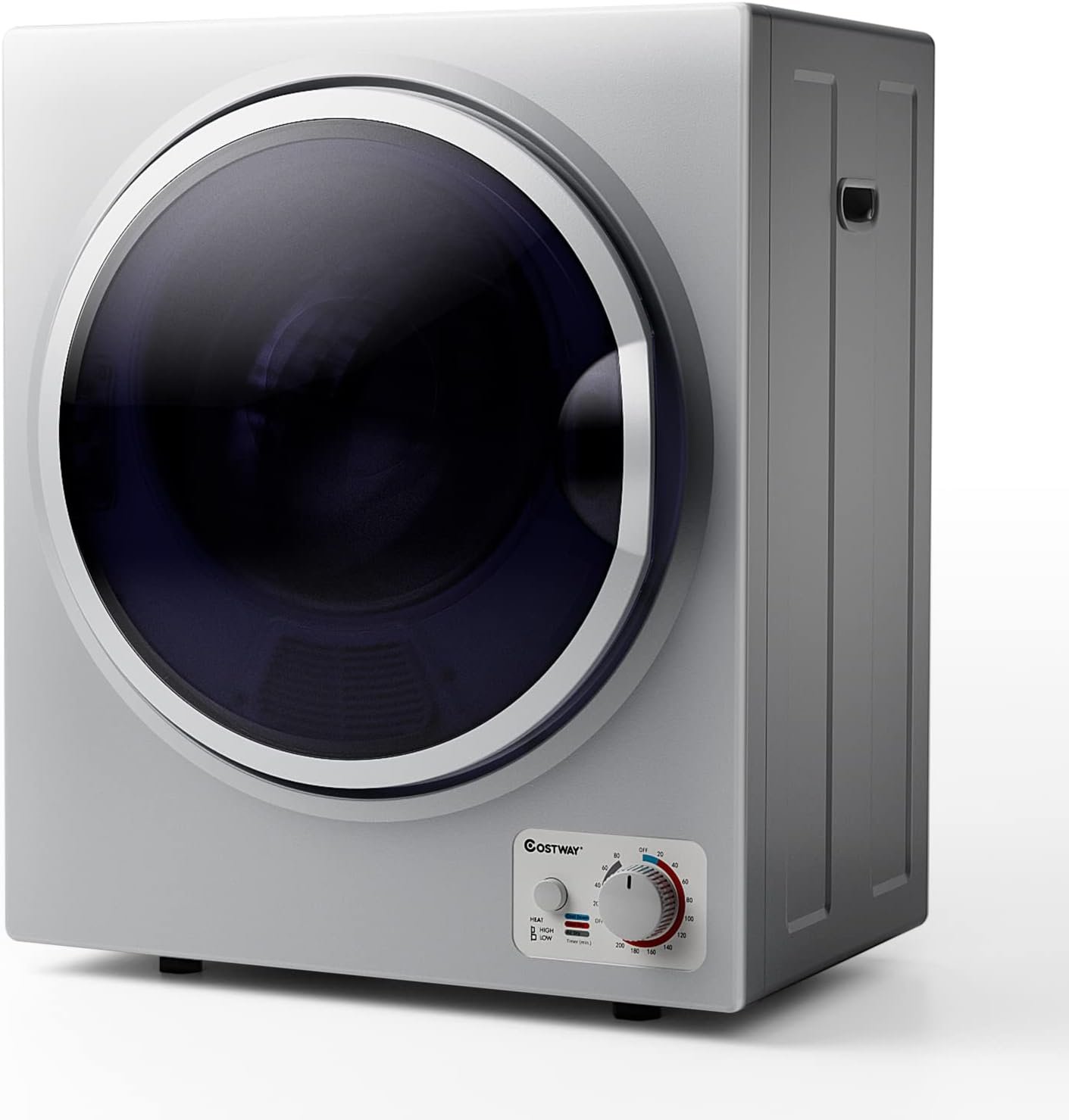
The COSTWAY dryer’s compact design and stainless steel tub make it ideal for small apartments, dormitories, or spaces where traditional dryers are impractical. Its 10-lb capacity caters to light to moderate use, though users should note the recommendation to limit loads to 5.5 lbs for faster drying. The front-load control panel and wall-mountable option enhance usability, while the stainless steel drum promises durability. However, the absence of energy efficiency certifications and warranty details may raise questions about long-term value.

Load Capacity and Household Suitability
The COSTWAY dryer’s 10-lb capacity is a defining feature, making it well-suited for single or dual-person households with minimal laundry volumes. This load size is ideal for drying small quantities of garments, bedding, or delicate fabrics without overloading the drum. The 1.5-cubic-foot volume further emphasizes its compact nature, which is advantageous for users with limited floor space. However, for larger families or frequent laundry users, this capacity may fall short, as it does not accommodate the needs of households with more than two individuals.

Space Efficiency for Small Living Areas
The dryer’s 19.5″ x 16.5″ x 24″ dimensions and 37.3-lb weight make it a practical choice for apartments, dorms, or home offices where space is at a premium. Its wall-mountable design allows for vertical storage, reducing floor space requirements while keeping the unit accessible. The included hanging brackets and spacers facilitate secure installation, though users should note that the bracket is not included in the package. This flexibility is particularly beneficial for renters or those who prioritize compact storage solutions.
Load Recommendations for Optimal Performance
While the dryer can technically handle up to 10 lbs of wet clothing, the manufacturer recommends limiting loads to 5.5 lbs for faster drying times. This advice aligns with standard laundry best practices, as overloading can reduce drying efficiency and increase wear on fabrics. For users with higher laundry volumes, this capacity may necessitate multiple cycles, which could impact convenience. However, the 10-lb limit is sufficient for everyday use in smaller households, ensuring a balance between performance and practicality.
Versatility for Mixed Laundry Needs
The dryer’s 10-lb capacity accommodates a variety of laundry types, from lightweight garments to slightly bulkier items like bedding. The four drying modes—Air Dry, Cool, Warm, and Hot—allow users to tailor settings to fabric types and drying requirements. For example, the Air Dry mode is ideal for delicate fabrics, while the Hot mode is suited for larger loads. This versatility ensures the dryer can handle different laundry scenarios without compromising efficiency.
Drying Performance and Fabric Care
The COSTWAY dryer’s performance is defined by its 850W power output and four drying modes, which together offer a range of options for different fabric types. While the dryer does not specify energy efficiency certifications, its power rating suggests it can deliver adequate drying speed for moderate use. The inclusion of an anti-wrinkle function and cooling cycles may help preserve fabric quality, though the effectiveness of these features is not quantified in the product specifications.

Drying Speed and Fabric Compatibility
The dryer’s 850W power and 10-lb capacity enable relatively fast drying times, particularly when using the Hot mode (120–200 minutes) for larger loads. However, the absence of energy efficiency ratings means users cannot compare its performance to more energy-conscious models. For delicate fabrics, the Air Dry and Cool modes provide gentler drying options, reducing the risk of shrinkage or damage. The anti-wrinkle function may also contribute to fabric preservation by minimizing creasing during the drying cycle.
Cooling and Freshening Cycles
The Air Dry and Cool modes are designed to reduce temperature and prevent over-drying, which is beneficial for moisture-sensitive fabrics. The Air Dry mode, which runs with cool air for up to 80 minutes, is particularly useful for lightly damp items like towels or bedding. The Cool mode, limited to 20 minutes, helps lower the temperature of already-dry fabrics, potentially extending their lifespan. These cycles are well-suited for users who prioritize fabric care over rapid drying.
Anti-Wrinkle Function and Fabric Protection
The anti-wrinkle feature, available in the Warm and Hot modes, is intended to reduce creasing by maintaining a balance between heat and cooling. While this function may help prolong the life of garments, its effectiveness is not explicitly detailed in the product specifications. Users with high-wrinkle-prone fabrics may find this feature beneficial, but those requiring more aggressive wrinkle prevention may need to rely on additional care methods.
Energy Efficiency and Environmental Impact
The COSTWAY dryer’s energy efficiency profile is not explicitly stated in the product specifications, which is a notable omission for consumers prioritizing sustainability. While the 850W power rating suggests moderate energy use, the absence of certifications like ENERGY STAR® or WaterSense® means users cannot assess its environmental impact relative to other models. This lack of transparency may be a drawback for eco-conscious buyers, as it limits the ability to compare energy consumption and efficiency.

Power Consumption and Operational Costs
With a 850W power rating, the dryer is likely to consume more energy than more efficient models, though the exact operating costs depend on local electricity rates. The absence of energy efficiency ratings makes it difficult to estimate long-term costs or compare it to other dryers on the market. For users in regions with high electricity costs, this could represent a significant consideration.
Environmental Certifications and Sustainability
The product does not mention any environmental certifications, which is a common oversight in portable dryers. While the stainless steel tub may contribute to durability and reduce the need for frequent replacements, the lack of sustainability credentials could deter environmentally conscious consumers. This omission highlights a gap in the product’s marketing and may influence purchasing decisions for those prioritizing eco-friendly appliances.
Long-Term Energy Use and Efficiency
Without specific energy efficiency data, it is challenging to evaluate the dryer’s long-term impact on energy consumption. Users seeking to minimize their carbon footprint may need to rely on general assumptions about power usage rather than concrete figures. This uncertainty could be a deciding factor for consumers who prioritize energy efficiency in their appliance choices.
Installation and Space Requirements
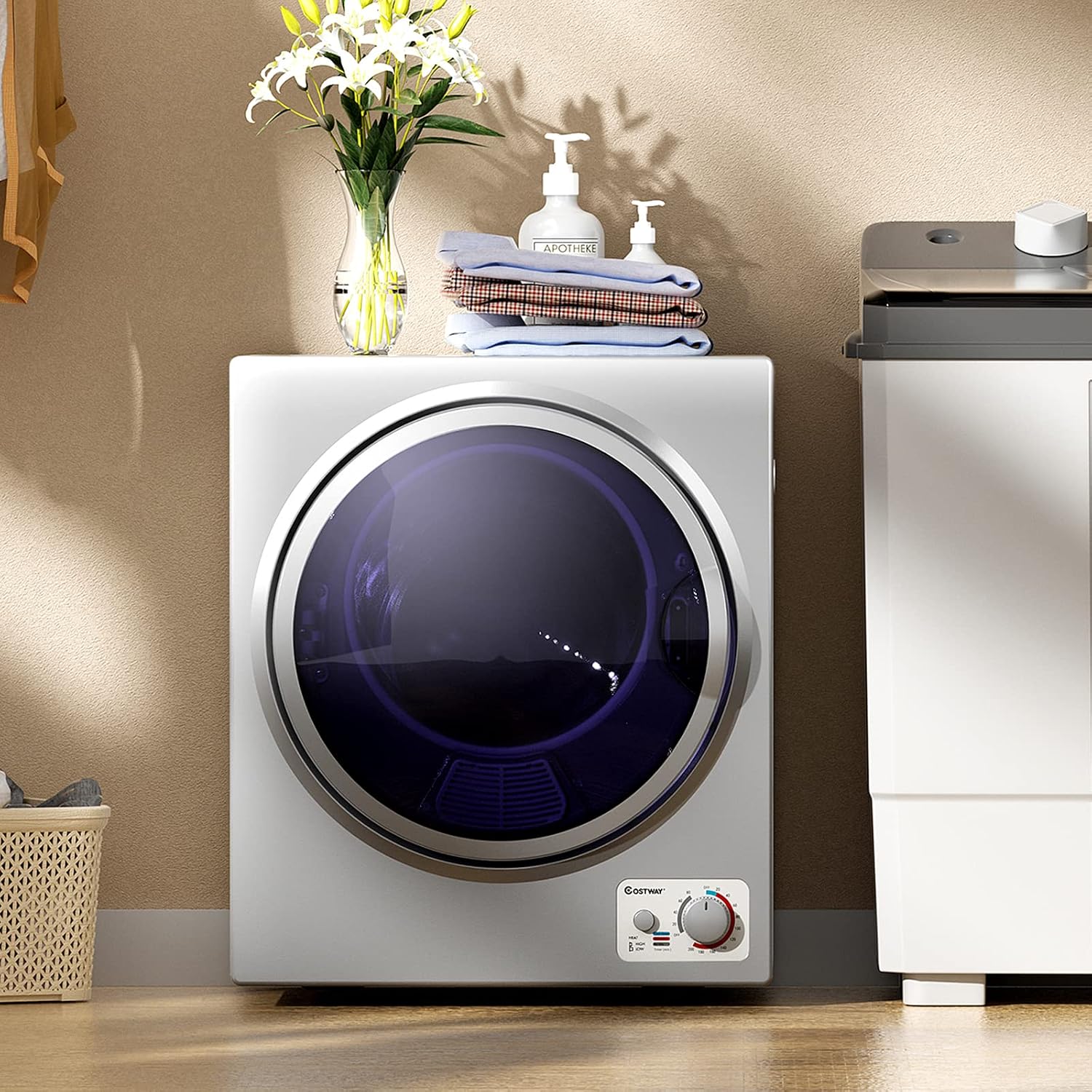
The COSTWAY dryer’s installation flexibility is a key advantage, as it can be wall-mounted, placed on a firm surface, or mounted on a rack. This versatility makes it suitable for a range of environments, from apartments to home offices. However, the lack of included brackets and the need for proper ventilation may present challenges for some users.

Wall-Mounting and Space Optimization
The dryer’s wall-mountable design is ideal for users with limited floor space, allowing them to save space while keeping the unit easily accessible. However, the absence of included brackets means users must source these separately, which could add to the installation effort. Proper wall mounting requires a secure surface to prevent tipping, which is essential for safety.
Floor Placement and Ventilation Needs
For users who prefer floor placement, the dryer’s 19.5″ x 16.5″ x 24″ dimensions make it a compact option. However, adequate ventilation is crucial for optimal performance, as the dryer requires a properly installed exhaust system to expel moisture. The included exhaust connector simplifies installation, but users must ensure the venting system is correctly configured to avoid condensation issues.
Mounting on Racks and Accessories
The option to mount the dryer on a rack provides additional flexibility, particularly for users with limited wall space. The included spacers and brackets allow for secure installation, though the lack of detailed mounting instructions may require users to consult additional resources. This setup is well-suited for spaces where wall mounting is not feasible, offering a practical alternative for different environments.
Long-Term Durability and Maintenance
The COSTWAY dryer’s stainless steel tub and accessible filter contribute to its durability and ease of maintenance, though the absence of a warranty or detailed maintenance guidelines may raise concerns about long-term reliability. The design elements suggest a focus on longevity, but users should consider the lack of warranty coverage as a potential drawback.
Stainless Steel Tub and Resistance to Wear
The stainless steel drum is a significant design feature, as it is resistant to rust and corrosion, ensuring long-term durability. This material choice is beneficial for maintaining the dryer’s structural integrity over time, particularly in environments with high humidity or frequent use. The tub’s resistance to wear also reduces the need for frequent replacements, contributing to the product’s overall longevity.
Filter Accessibility and Cleaning Requirements
The dryer’s easily accessible filter simplifies maintenance, allowing users to clean it without disassembling the unit. This design element is advantageous for preserving drying efficiency and preventing lint buildup, which can affect performance over time. Regular cleaning of the filter is recommended to ensure optimal airflow and reduce the risk of mechanical issues.
Warranty and Long-Term Support
The absence of a specified warranty is a notable gap in the product’s information. While the stainless steel tub and accessible filter suggest a focus on durability, the lack of warranty coverage may deter users who prioritize long-term support. This omission could be a deciding factor for consumers who value extended product guarantees and manufacturer-backed service.
Maintenance and Replacement Considerations
The dryer’s design includes components that are easy to maintain, such as the filter and exhaust connector. However, the lack of detailed maintenance instructions may require users to rely on general guidelines or seek additional resources. Regular maintenance, such as cleaning the filter and checking the venting system, is essential for ensuring the dryer operates efficiently over its lifespan.

Pros & Cons
Pros
- Compact and Portable Design: The 19.5″ x 16.5″ x 24″ dimensions make it ideal for small spaces, with wall-mounting options that optimize storage.
- Stainless Steel Tub: The durable material resists corrosion and ensures long-term reliability, reducing the need for frequent replacements.
- Four Drying Modes: The Air Dry, Cool, Warm, and Hot settings provide flexibility for different fabric types and drying needs.
- Quiet Operation: The noise level is below 44 dB, minimizing disruption during use.
- Easy Filter Access: The removable filter simplifies cleaning and maintenance, preserving efficiency over time.
- Versatile Use: Suitable for apartments, dorms, and home offices, the dryer accommodates a range of laundry scenarios.
Cons
- Limited Load Capacity: The 10-lb capacity may not meet the needs of larger households or frequent laundry users.
- No Energy Efficiency Certifications: The absence of ENERGY STAR® or WaterSense® ratings makes it difficult to assess its environmental impact.
- Missing Warranty Information: The lack of warranty details raises concerns about long-term support and product reliability.
- Installation Requirements: The need for proper ventilation and separate mounting brackets may complicate setup for some users.
- No Warranty Coverage: The absence of a warranty could deter consumers who prioritize extended product support.
Final Verdict: Who This Washer or Dryer Is Best For (and Who Should Skip It)
The COSTWAY Compact Laundry Dryer is best suited for small households, apartment dwellers, and individuals with limited space who need a portable, efficient drying solution. Its 10-lb capacity and four drying modes make it ideal for light to moderate use, particularly for users who prioritize compact storage and flexibility. The stainless steel tub and quiet operation further enhance its appeal for those seeking durability and minimal noise.
However, this dryer may not be suitable for larger families or frequent laundry users, as its 10-lb capacity could fall short for higher-volume needs. The absence of energy efficiency certifications and warranty information may also be a drawback for eco-conscious buyers or those seeking long-term support. For users prioritizing sustainability, space efficiency, or extended warranties, alternative models with clearer specifications and certifications may offer a better fit.

Frequently Asked Questions (FAQs)
What is the maximum load capacity of the COSTWAY dryer?
The COSTWAY dryer has a maximum load capacity of 10 lbs (1.5 cubic feet), making it suitable for small households or individuals with light to moderate laundry needs. However, for faster drying, the manufacturer recommends limiting loads to 5.5 lbs.
How many drying modes does the COSTWAY dryer offer?
The dryer provides four drying modes: Air Dry, Cool, Warm, and Hot. These modes allow users to tailor drying settings to different fabric types and drying requirements, enhancing versatility.
Is the COSTWAY dryer suitable for wall mounting?
Yes, the dryer is wall-mountable, though the included brackets are not part of the package. Users must source mounting brackets separately to secure the unit to a wall, optimizing space in small living areas.
How loud is the COSTWAY dryer?
The COSTWAY dryer operates at a noise level below 44 dB, ensuring minimal disruption during use. This quiet design is ideal for apartments or shared living spaces where noise is a concern.
Does the COSTWAY dryer have an energy efficiency rating?
The product specifications do not mention energy efficiency certifications such as ENERGY STAR® or WaterSense®. This lack of information may affect users’ ability to compare its energy consumption with other models.
How easy is it to clean the dryer’s filter?
The dryer’s filter is easily accessible, allowing users to clean it without disassembling the unit. Regular filter maintenance helps preserve drying efficiency and prevent lint buildup over time.
What are the installation requirements for the COSTWAY dryer?
The dryer requires proper ventilation for optimal performance, with an included exhaust connector simplifying setup. Users must ensure a correctly configured venting system to avoid condensation issues.
Is there a warranty provided with the COSTWAY dryer?
The product does not specify a warranty, which may raise concerns about long-term support and product reliability. Users seeking extended warranty coverage may need to consider alternative models.