
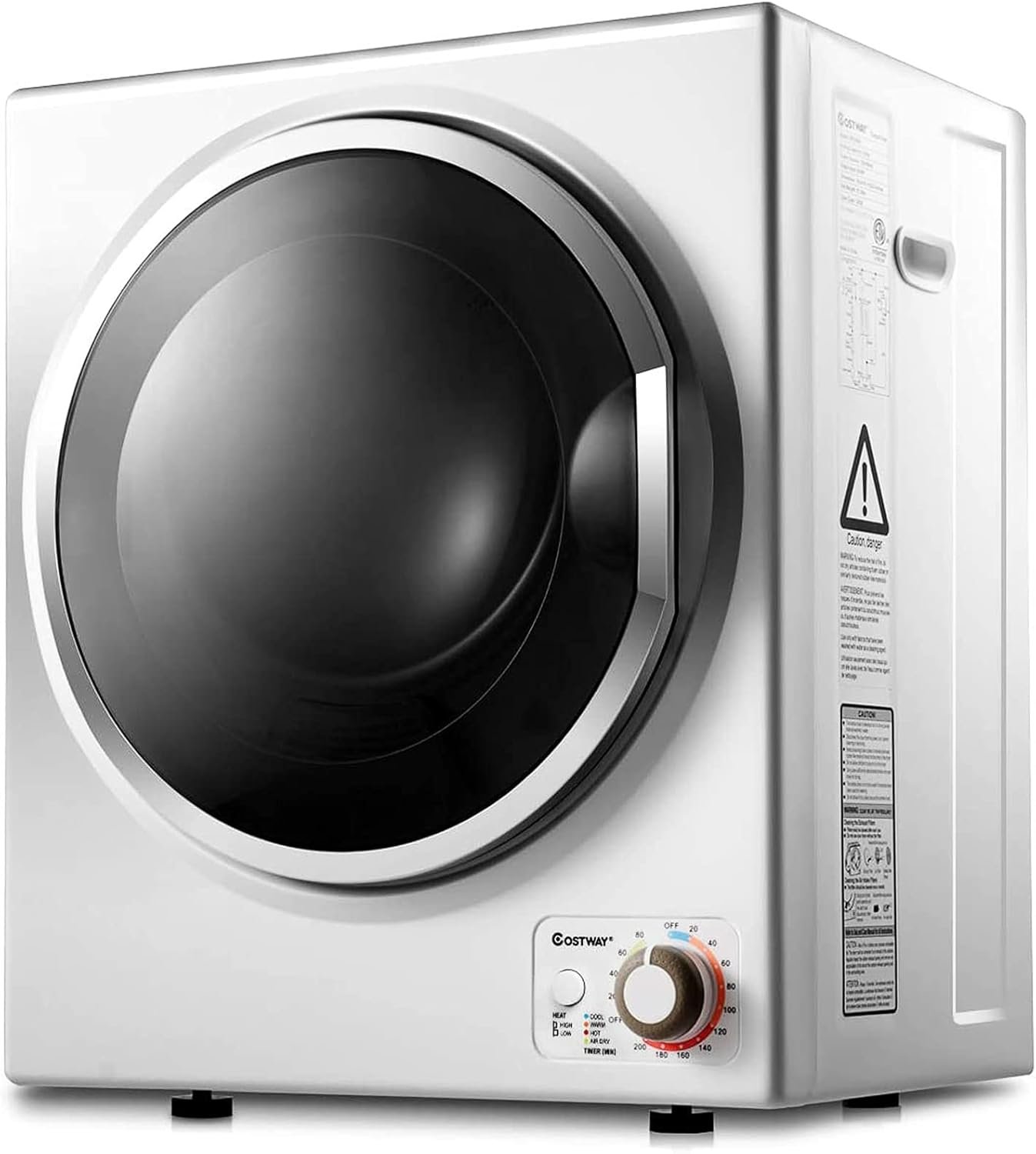
The Importance of Choosing the Right Laundry Dryer
Selecting an appropriate laundry dryer is a critical decision for households seeking to balance efficiency, space optimization, and fabric care. With the average American household washing over 100 loads of laundry annually, the performance, energy consumption, and usability of a dryer directly impact daily routines and long-term costs. Modern dryers must address diverse needs—from compact urban living spaces to energy-conscious households—while maintaining reliability and durability. Key considerations include load capacity to match household size, cycle versatility for different fabric types, energy efficiency ratings, noise levels, and installation flexibility. A dryer that excels in these areas can reduce wear on clothing, lower utility bills, and integrate seamlessly into small or multifunctional living environments. This review evaluates the COSTWAY Compact Laundry Dryer, focusing on its engineering design, functional capabilities, and alignment with contemporary laundry demands. By analyzing specifications, user patterns, and industry benchmarks, this assessment provides an objective framework for evaluating its suitability for various household scenarios.
Quick Overview
| Feature | Details |
|---|---|
| Appliance Type | Electric Dryer |
| Load Capacity | 10 Pounds (wet clothes) |
| Installation Type | Freestanding, portable |
| Control System | Front-load, manual controls |
| Key Cycles | Cool, Warm, Hot, Air Dry |
| Energy Efficiency | Not specified (no certification data) |
| Intended Household Size | Small to medium |
| Warranty | Not disclosed |
The COSTWAY dryer’s compact design and 10-pound capacity make it ideal for households with limited space or moderate laundry needs. Its front-load configuration allows for easy access to the stainless steel drum, while the four drying modes accommodate different fabric types and drying times. However, the absence of energy efficiency certifications and warranty information may raise concerns for buyers prioritizing long-term value and sustainability.

Load Capacity and Household Suitability
The dryer’s 10-pound capacity is a primary factor in determining its suitability for different household sizes. This load volume is sufficient for single individuals or couples with minimal laundry requirements, but may fall short for larger families or those with frequent heavy washing needs. The recommended maximum of 5.5 pounds per load suggests the appliance is optimized for smaller, more frequent drying sessions rather than bulk processing. For households with multiple occupants or high laundry volumes, this capacity could lead to increased cycle times and higher energy consumption. However, the compact size allows for flexible placement in apartments, dormitories, or small laundry rooms, making it a practical option for space-constrained environments. The front-load design also facilitates easier loading and unloading, particularly for users with mobility considerations.

Capacity and Cycle Efficiency
The 10-pound capacity is designed to accommodate a balance between efficiency and usability. While it may not be ideal for large families, it ensures that each drying cycle completes effectively without overloading the drum. The four drying modes—Cool, Warm, Hot, and Air Dry—allow users to tailor drying times based on fabric type and desired results. For example, the Air Dry mode provides a gentle option for delicate items, while the Hot mode is suitable for bulky or heavily soiled garments. However, the absence of advanced settings like moisture sensors or fabric type recognition limits the dryer’s ability to optimize energy use automatically, requiring manual intervention for optimal performance.
Suitability for Different Household Sizes
For single occupants or couples with minimal laundry, the 10-pound capacity is sufficient to handle daily needs without excessive cycle times. The compact size also reduces the likelihood of overloading, which can lead to uneven drying and potential fabric damage. However, households with three or more occupants may find the capacity insufficient, particularly for frequent washing of heavy items like towels or bedding. The dryer’s portability allows for flexible use in multiple locations, but its reliance on a fixed power source (120V) means it cannot be moved without additional setup. This trade-off between capacity and mobility is a key consideration for buyers prioritizing space efficiency over bulk processing.
Maintenance and Load Management
Regular maintenance is essential to ensure the dryer operates efficiently over time. The stainless steel drum and durable components suggest a longer lifespan compared to cheaper alternatives, but the lack of a lint filter or automatic cleaning feature may require manual cleaning to prevent clogging. Users should also be mindful of load management to avoid overfilling, which can strain the motor and reduce energy efficiency. The recommended maximum of 5.5 pounds per load indicates the appliance is designed for frequent, smaller cycles rather than infrequent, larger ones. This approach can help preserve the dryer’s mechanical integrity and reduce the risk of overheating.
Energy Efficiency and Environmental Impact
Energy efficiency is a critical factor in modern dryer selection, as it directly influences operating costs and environmental impact. The COSTWAY dryer operates at 850 watts, which is a moderate power level for a portable unit. However, the absence of energy efficiency certifications such as ENERGY STAR® means its actual energy consumption and environmental footprint are not quantified. In comparison to standard electric dryers, which typically range from 1,500 to 2,000 watts, this model consumes less power, potentially leading to lower utility bills. However, the lack of advanced energy-saving features like sensor-based drying or heat pump technology means it may not be as efficient as newer models in reducing energy waste. For households prioritizing sustainability, the absence of certification data may be a drawback, though the lower wattage suggests a more energy-conscious design.

Comparative Energy Performance
The 850-watt rating places the COSTWAY dryer in the lower end of the energy consumption spectrum for electric dryers. While this can translate to cost savings, it also means the drying process may take longer than with higher-powered units, potentially increasing overall energy use if multiple cycles are required. The lack of moisture sensors or automatic shut-off features further limits its ability to optimize energy use, requiring users to manually adjust settings for efficiency. In contrast, ENERGY STAR-certified dryers often include these features, allowing for more precise energy management and reduced waste. For users seeking the most energy-efficient option, the absence of such certifications may make this dryer less competitive in the long term.
Environmental Considerations
While the dryer’s lower wattage suggests a reduced carbon footprint, the environmental impact also depends on manufacturing and disposal practices. The stainless steel drum and durable construction imply a longer lifespan, which can offset energy use over time. However, without information on recyclability or eco-friendly materials, it is difficult to assess its overall environmental impact. The absence of energy efficiency certifications also means users cannot be certain of its performance in reducing energy waste. For environmentally conscious buyers, the lack of detailed sustainability data may be a deciding factor, though the compact design and lower power consumption offer some advantages in energy use.
Noise, Vibration, and Balance Control
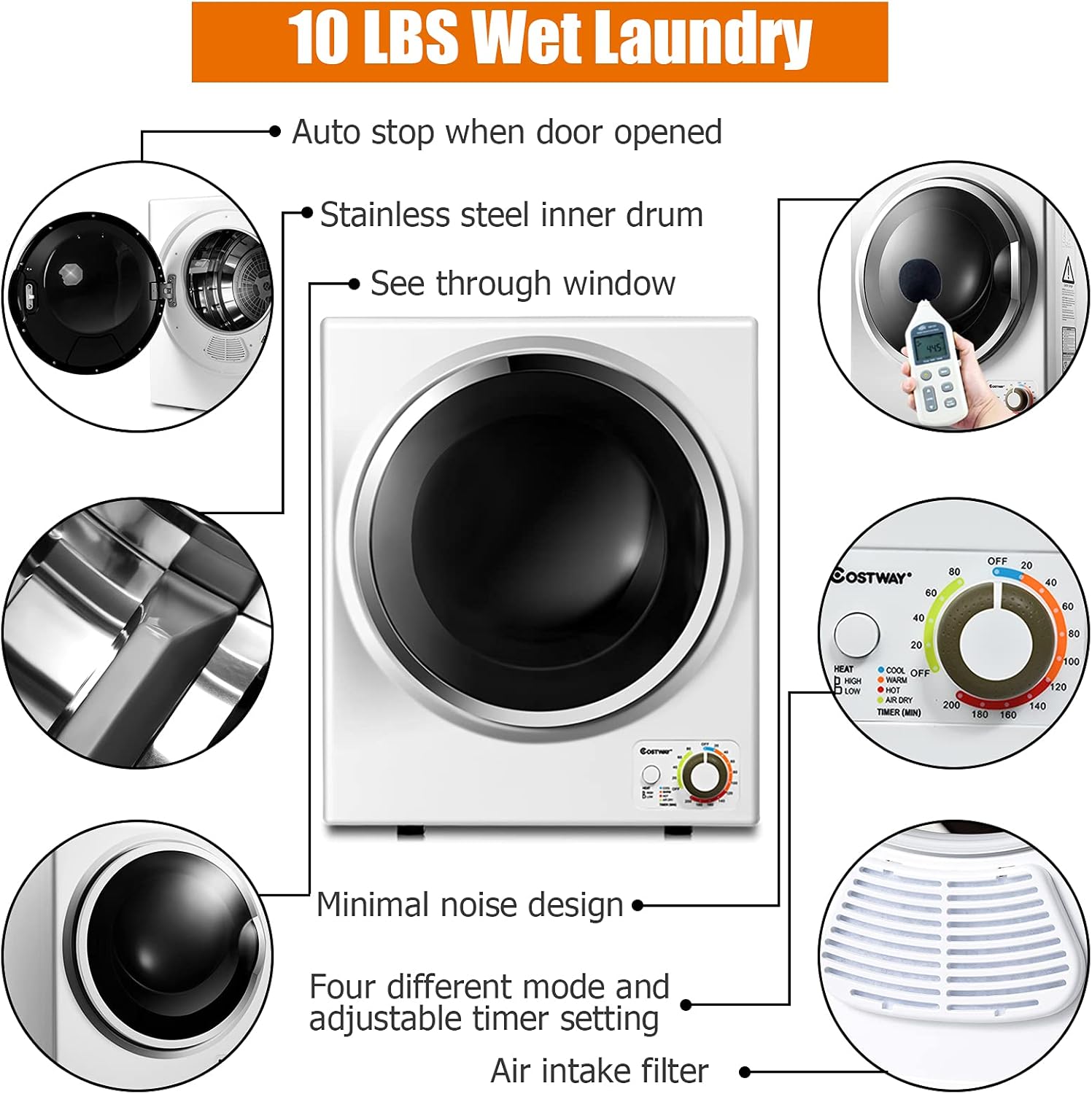
Noise levels are a significant consideration for dryers, particularly in residential settings where quiet operation is essential for comfort. The COSTWAY dryer is marketed as having a minimal noise profile, which is likely achieved through the use of sound-dampening materials and a sealed drum design. However, the absence of specific decibel ratings means its actual noise output cannot be quantified. In comparison to standard electric dryers, which typically range from 50 to 70 decibels, this model may offer a quieter experience, though it could still generate noticeable noise during operation. The compact size and front-load design may also contribute to reduced vibration, though the lack of advanced balancing technology means users should ensure the dryer is placed on a stable surface to minimize movement.
Vibration and Stability
The dryer’s stability is influenced by its weight distribution and placement. At 37.3 pounds, the unit is relatively lightweight, which can make it prone to slight vibrations if not secured properly. The front-load design allows for even weight distribution, but users should ensure the dryer is placed on a firm, horizontal surface to prevent wobbling. The inclusion of mounting options, such as wall mounting or rack placement, suggests efforts to enhance stability, though the lack of a built-in leveling system means manual adjustments may be necessary. For users in apartments or shared spaces, the ability to mount the dryer can improve stability and reduce noise transmission.
Noise Impact on Daily Life
The dryer’s noise level is likely to be less disruptive than standard models, making it suitable for households with shared living spaces or noise-sensitive environments. However, the absence of decibel ratings means users cannot be certain of its impact on sleep or quiet activities. The quiet design is particularly beneficial for users who prioritize a peaceful environment, but the lack of advanced noise-reduction technology may mean the dryer is not completely silent. For users in close proximity to the appliance, such as in small apartments, the noise level could still be a factor in overall satisfaction.
Installation and Space Requirements
The COSTWAY dryer’s compact and portable design makes it ideal for users with limited space, but its installation requirements must be considered. The unit is designed for freestanding use, which means it does not require permanent mounting or integration with existing systems. However, the need for a dedicated power source (120V) and proper ventilation (exhaust vent) means it cannot be used without additional setup. The inclusion of an exhaust connector and mounting options suggests flexibility in installation, but the lack of built-in ventilation or ducting means users must provide their own solutions. This can be a drawback for users who lack the tools or knowledge to set up a proper ventilation system.

Space Optimization Strategies
The dryer’s small footprint (24 x 16.5 x 19.5 inches) allows it to fit in tight spaces, making it a practical option for apartments, dormitories, or small laundry rooms. The ability to mount it on a wall or place it on a rack enhances space efficiency, though the weight of the unit (37.3 pounds) means it requires a sturdy surface. For users with limited wall space, the portable design allows for mobility between rooms, though the lack of a built-in caster system means moving the unit may require additional effort. The compact size is a significant advantage for users prioritizing space efficiency, but it may limit the dryer’s ability to handle larger loads.
Ventilation and Setup Requirements
Proper ventilation is essential for the dryer’s operation, as it requires a dedicated exhaust vent to expel moisture and heat. The inclusion of an exhaust connector and mounting hardware suggests the manufacturer has considered ventilation needs, but the absence of built-in ducting means users must provide their own solution. This can be a challenge for users without access to existing ventilation systems, as improper installation may lead to moisture buildup or reduced efficiency. The need for manual setup increases the complexity of installation, which may be a barrier for some users.

Pros & Cons
Pros
- Compact and Portable Design: The 37.3-pound weight and small footprint make it ideal for apartments, dorms, and small spaces. Mounting options enhance space efficiency without compromising functionality.
- Multiple Drying Modes: Four distinct modes (Cool, Warm, Hot, Air Dry) allow users to tailor drying settings for different fabrics and load types, enhancing versatility.
- Durable Stainless Steel Drum: The stainless steel tub is resistant to corrosion and wear, contributing to long-term durability and ease of cleaning.
- Quiet Operation: The minimal noise profile is suitable for residential environments, reducing disturbances during operation.
- Easy Setup and Installation: The included exhaust connector and mounting hardware simplify installation, though users must provide their own ventilation solutions.
Cons
- Limited Load Capacity: The 10-pound capacity may not be sufficient for larger households or frequent heavy washing, leading to longer cycle times.
- No Energy Efficiency Certifications: The absence of ENERGY STAR® or similar certifications means energy consumption and environmental impact are not quantified.
- Manual Settings Only: The lack of moisture sensors or automatic drying features requires users to manually adjust settings for optimal performance.
- No Built-In Ventilation: Users must provide their own exhaust vent, which can complicate installation for those without existing systems.
- Potential Noise Concerns: While marketed as quiet, the absence of decibel ratings means users cannot be certain of its impact on noise-sensitive environments.
Final Verdict: Who This Washer or Dryer Is Best For (and Who Should Skip It)
The COSTWAY Compact Laundry Dryer is best suited for single individuals, couples, or small households with minimal laundry needs and limited space. Its compact design, multiple drying modes, and quiet operation make it an attractive option for urban dwellers or those prioritizing portability. The stainless steel drum and durable construction also suggest a longer lifespan, reducing long-term replacement costs. However, the dryer’s 10-pound capacity may not meet the needs of larger families or users with frequent heavy washing requirements. Additionally, the lack of energy efficiency certifications and built-in ventilation systems could be drawbacks for environmentally conscious buyers or those without existing ventilation infrastructure. For users seeking a balance between space efficiency and functional performance, this dryer offers a practical solution, though its limitations in capacity and energy efficiency may make it less ideal for high-volume or eco-focused households.

Frequently Asked Questions (FAQs)
Is the COSTWAY Compact Laundry Dryer suitable for small apartments?
Yes, the dryer’s compact size (24 x 16.5 x 19.5 inches) and lightweight design (37.3 pounds) make it ideal for small apartments, dormitories, and spaces with limited room. It can be mounted on a wall or placed on a rack to further optimize space.
How does the dryer’s energy efficiency compare to standard models?
The dryer operates at 850 watts, which is lower than the typical 1,500–2,000 watts of standard electric dryers. However, it lacks energy efficiency certifications like ENERGY STAR®. While this may lead to lower energy costs, it also means the dryer may not optimize energy use as effectively as certified models.
Can the dryer handle heavy loads like towels or bedding?
The dryer is rated for 10 pounds of wet clothes, which is suitable for smaller loads. However, for heavier items like towels or bedding, users should limit the load to 5.5 pounds per cycle to ensure even drying and prevent strain on the motor.
What are the noise levels like during operation?
The dryer is marketed as having a minimal noise profile, making it suitable for residential environments. However, specific decibel ratings are not provided, so users should consider the potential for noise in shared or noise-sensitive spaces.
Is there a warranty or long-term durability information?
The manufacturer does not disclose warranty details, but the stainless steel drum and durable components suggest a longer lifespan. Users should check the product documentation for any warranty information specific to their region.
What ventilation setup is required for the dryer?
The dryer requires a dedicated exhaust vent for proper operation. While it includes an exhaust connector and mounting hardware, users must provide their own ventilation system, which may be a challenge for those without existing infrastructure.
Can the dryer be used in different rooms or locations?
Yes, the dryer’s portable design allows for flexibility in placement. It can be mounted on a wall, placed on a countertop, or stored when not in use, making it suitable for users who need to move it between rooms.
What are the recommended drying settings for different fabrics?
The four drying modes—Cool, Warm, Hot, and Air Dry—allow for customization based on fabric type. Cool and Air Dry modes are suitable for delicate items, while Hot mode is ideal for bulky or heavily soiled garments. Warm mode offers a balanced option for most fabrics.