
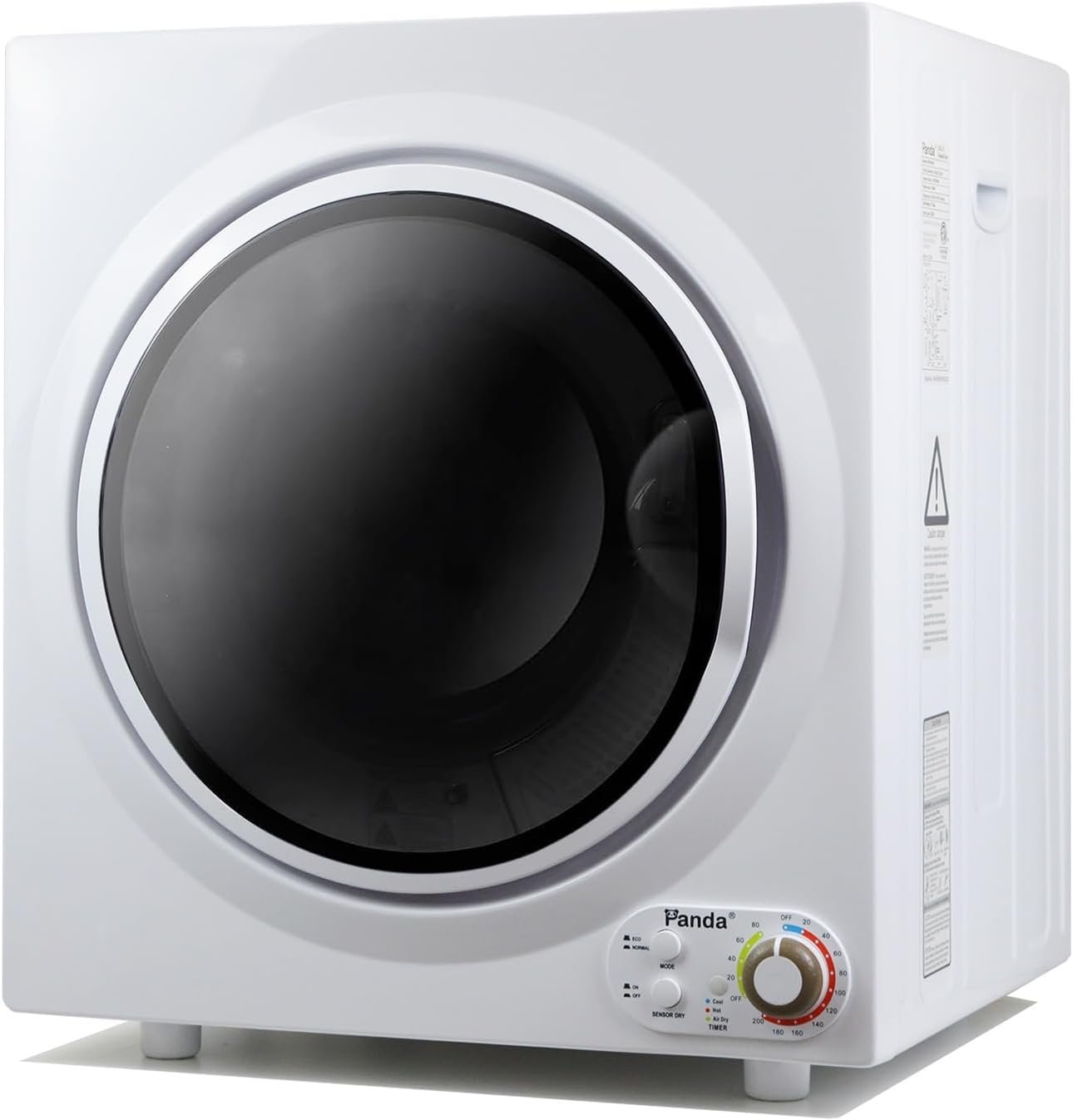
The Importance of Choosing the Right Dryer for Your Home
Selecting the appropriate dryer is a critical decision that impacts both daily convenience and long-term household efficiency. Modern households face diverse laundry needs, from managing small loads in compact living spaces to balancing energy costs with fabric care requirements. The right dryer can streamline chore routines while preserving clothing quality and minimizing environmental impact. For those with limited square footage, such as apartment dwellers or students, a compact dryer offers a practical solution without compromising performance. However, factors like load capacity, energy efficiency, and noise levels must be carefully evaluated to ensure the appliance aligns with specific usage patterns. A dryer that meets these criteria can significantly enhance laundry day productivity, reduce wear on fabrics, and contribute to sustainable household practices. Understanding how these features translate into real-world benefits is essential for making an informed purchase, particularly when considering appliances designed for space-constrained environments.
Quick Overview
| Feature | Details |
|---|---|
| Appliance Type | Portable Dryer |
| Load Capacity | 1.5 Cubic Feet |
| Installation Type | Freestanding, Wall-Mounted, Stacked |
| Control System | Front-Load with Multi-Mode Settings |
| Key Cycles | Cold, Warm, Hot, Air Dry |
| Energy Efficiency | 850 Watts, ETL Certified |
| Intended Use | Small Loads, Apartments, Dorms |
| Warranty | Not Specified |
This compact dryer is engineered for users with limited space, offering a versatile solution for households that require efficient drying without the bulk of traditional models. Its front-load design and temperature control options cater to a range of fabric types and drying needs, making it suitable for individuals who prioritize convenience and energy-conscious operation in small living environments.

Load Capacity and Household Suitability
The Panda 1.5 cu.ft dryer is designed to accommodate small to medium-sized loads, making it ideal for households with limited laundry volume or those who need a secondary drying unit. Its capacity of up to 10 lbs of wet laundry is well-suited for items like baby clothes, T-shirts, towels, and yoga gear, which are commonly found in compact living spaces. For users who frequently wash small batches, this dryer provides a practical alternative to larger, more energy-intensive models. However, it is important to note that its size limits its effectiveness for households with high laundry demands or those requiring simultaneous washing and drying. The dryer’s compact footprint allows for flexible installation options, including wall-mounted or stacked configurations, which can help optimize space in apartments or dorm rooms. While it may not replace a full-sized dryer for larger families, it serves as an excellent supplementary unit for specific use cases.

Small Load Efficiency
The dryer’s 1.5 cu.ft capacity is optimized for quick, efficient drying of smaller loads, reducing the need for multiple cycles. This design is particularly beneficial for users who prioritize energy conservation and want to minimize the time spent on laundry tasks. The ability to handle items like delicates and synthetic fabrics without over-drying makes it a suitable choice for those with sensitive skin or clothing materials that require gentle care. However, the limited capacity means users must plan their loads carefully to avoid extended drying times, which can be a consideration for those with irregular laundry schedules.
Space Optimization
The dryer’s compact dimensions (19.5″ x 16″ x 24″) allow it to fit in tight spaces such as under a bed, in a closet, or near a home gym. Its versatility in installation—free-standing, stacked, or wall-mounted—makes it adaptable to various living environments. This flexibility is especially valuable for renters or individuals who cannot modify their space to accommodate larger appliances. The included mounting kit and leveling legs further enhance its usability in different settings. However, the lack of a built-in venting system means users must install an external exhaust vent, which may require additional setup and space for the vent pipe.
Energy Efficiency and Cost Considerations
The Panda dryer’s energy efficiency is a key consideration for users seeking to reduce their utility bills and environmental impact. Operating at 850 watts, it uses significantly less power than traditional dryers, which can lead to lower electricity costs over time. The ETL certification ensures that the appliance meets recognized safety and efficiency standards, providing assurance about its performance and reliability. For households conscious of their carbon footprint, this dryer’s energy-saving design aligns with sustainable living goals. However, its compact size may result in longer drying times compared to larger models, which could affect overall energy consumption depending on load frequency and ambient conditions.

Power Consumption and Environmental Impact
The dryer’s low wattage and efficient motor design contribute to its energy efficiency, making it a suitable option for users who prioritize cost-effectiveness and sustainability. The 850W rating indicates that it uses less power than standard dryers, which typically operate at higher wattage levels. This lower energy demand is particularly advantageous for those in regions with fluctuating electricity rates or for individuals seeking to reduce their utility expenses. Additionally, the ETL certification ensures that the appliance meets rigorous energy efficiency benchmarks, reinforcing its position as a responsible choice for environmentally conscious consumers.
Long-Term Operating Costs
While the dryer’s initial cost is not a factor in this review, its long-term operating costs are an important consideration. The low power consumption means that users can expect to pay less for electricity over time, especially when compared to larger, more power-hungry models. However, the need for an external venting system may add to the overall installation cost, as users must purchase and install an exhaust vent pipe. For those who prioritize energy savings and want to minimize ongoing expenses, the Panda dryer’s efficiency profile makes it a compelling option, particularly in small spaces where energy consumption is a key concern.
Noise, Vibration, and Operational Smoothness
The Panda dryer’s noise level of 70 decibels is relatively quiet compared to traditional dryers, which often operate at higher decibel levels. This makes it suitable for use in apartments or shared living spaces where noise can be a concern. The three-layer filter system not only traps lint and hair but also helps reduce vibration and noise during operation. However, the compact design may lead to increased vibration in certain installation scenarios, particularly if the dryer is placed on uneven surfaces. The included leveling legs can mitigate this issue by ensuring stable placement, but users should be mindful of the appliance’s location to minimize disturbances.

Vibration Control and Stability
The dryer’s design incorporates features aimed at reducing vibration and noise, such as the three-layer filter system and the inclusion of leveling legs. These elements help stabilize the appliance during operation, which is particularly important for users in spaces where noise and vibration could disrupt daily activities. However, the compact size may result in more noticeable vibrations compared to larger, heavier dryers, which can be a consideration for those sensitive to mechanical sounds. Proper installation, including ensuring a flat and stable surface, can significantly reduce these effects and enhance the overall user experience.
Environmental Factors and Performance
Ambient conditions play a role in the dryer’s performance, with factors such as humidity and temperature affecting drying times. The 140°F maximum temperature ensures thorough drying while protecting fabric integrity, but users should be aware that higher humidity levels may require longer cycles. The dryer’s ability to adapt to different environmental conditions is a plus, as it can maintain consistent performance across varying climates. However, in regions with high humidity, users may need to adjust their drying schedules or consider additional ventilation to optimize efficiency.

Pros and Cons
Pros
- Compact Design: The 1.5 cu.ft capacity and streamlined dimensions make it ideal for small spaces, including apartments and dorm rooms. Its versatility in installation options (free-standing, stacked, or wall-mounted) enhances usability in tight environments.
- Energy Efficiency: Operating at 850 watts, the dryer uses less power than traditional models, contributing to lower electricity costs and aligning with energy-conscious consumer preferences.
- Multi-Mode Drying Options: The inclusion of cold, warm, hot, and air dry settings allows users to tailor drying cycles to different fabric types and load sizes, improving fabric care and reducing wear.
- Three-Layer Filter System: The efficient lint and hair trapping mechanism helps maintain indoor air quality and reduces the need for frequent cleaning, enhancing long-term maintenance.
- User-Friendly Features: The see-through door with a 105-degree opening angle facilitates easy loading and unloading, while the automatic shut-off function enhances safety and convenience.
- Portability and Flexibility: The included mounting kit and power cord allow for seamless integration into various living spaces, making it adaptable to different household configurations.
Cons
- Limited Load Capacity: The 1.5 cu.ft size is suitable for small to medium loads but may not meet the needs of households with high laundry demands or those requiring simultaneous washing and drying.
- Extended Drying Times: Due to its smaller capacity, drying times may be longer compared to larger dryers, which could be a drawback for users with frequent laundry schedules.
- External Venting Requirement: The dryer lacks a built-in venting system, necessitating the installation of an external exhaust vent, which may add to setup complexity and cost.
- Noise and Vibration: Although the 70 dB noise level is relatively quiet, the compact design may result in increased vibration in certain installations, particularly on uneven surfaces.
- No Built-In Warranty: The absence of a specified warranty may raise concerns for users seeking long-term product assurance and support.
Final Verdict: Who This Dryer Is Best For (and Who Should Skip It)
The Panda Portable Dryer is best suited for individuals with limited space, such as apartment dwellers, students, or those who need a secondary drying unit for specific tasks like yoga gear or baby clothes. Its energy-efficient design and multi-mode drying options make it an excellent choice for users who prioritize cost savings and fabric care in small living environments. The flexibility in installation and portability further enhance its appeal for those who cannot accommodate larger appliances. However, this dryer may not be the ideal choice for households with high laundry volumes or those requiring simultaneous washing and drying. Users who prioritize larger capacities, faster drying times, or built-in venting systems should consider alternative models. For those seeking a compact, efficient solution tailored to specific needs, the Panda dryer offers a practical and versatile option within its intended use case.

Frequently Asked Questions (FAQs)
How much laundry can the Panda Portable Dryer handle?
The Panda Portable Dryer is designed for small to medium-sized loads, with a capacity of up to 10 lbs of wet laundry. It is ideal for items like baby clothes, T-shirts, towels, and yoga gear, making it suitable for apartments, dorms, and small households.
Is the Panda Dryer energy-efficient?
Yes, the Panda Dryer operates at 850 watts and is ETL certified for energy efficiency. Its low power consumption helps reduce electricity costs, making it a cost-effective choice for users who prioritize energy savings.
Does the Panda Dryer require an external vent?
The Panda Dryer does not have a built-in venting system. Users must install an external exhaust vent, which is included in the product package. This setup ensures proper air circulation while maintaining indoor air quality.
What are the noise levels of the Panda Dryer?
The Panda Dryer operates at 70 decibels, which is relatively quiet compared to traditional dryers. This noise level makes it suitable for use in apartments or shared living spaces where noise can be a concern.
Can the Panda Dryer be mounted on a wall?
Yes, the Panda Dryer is designed for wall mounting. It includes a mounting kit and leveling legs to ensure stability and adaptability to various installation scenarios, including free-standing, stacked, or wall-mounted configurations.
What are the drying time considerations for this dryer?
Drying times may vary based on load size, fabric type, and ambient conditions. While the dryer’s 140°F temperature ensures thorough drying, users should expect longer cycles compared to larger models, particularly in high humidity environments.
What maintenance is required for the Panda Dryer?
The three-layer filter system should be cleaned regularly to maintain efficiency and indoor air quality. The see-through door and removable lint trap make maintenance straightforward, but users should ensure the exhaust vent is properly installed and maintained.
Is the Panda Dryer suitable for sensitive fabrics?
Yes, the Panda Dryer’s temperature control options, including a cold mode and warm mode, make it suitable for delicate fabrics. The 140°F maximum temperature protects fabric integrity while providing effective drying for sensitive materials.