Midea MLE25H7BWW Heat Pump, Ventless Front Load Dryer Review
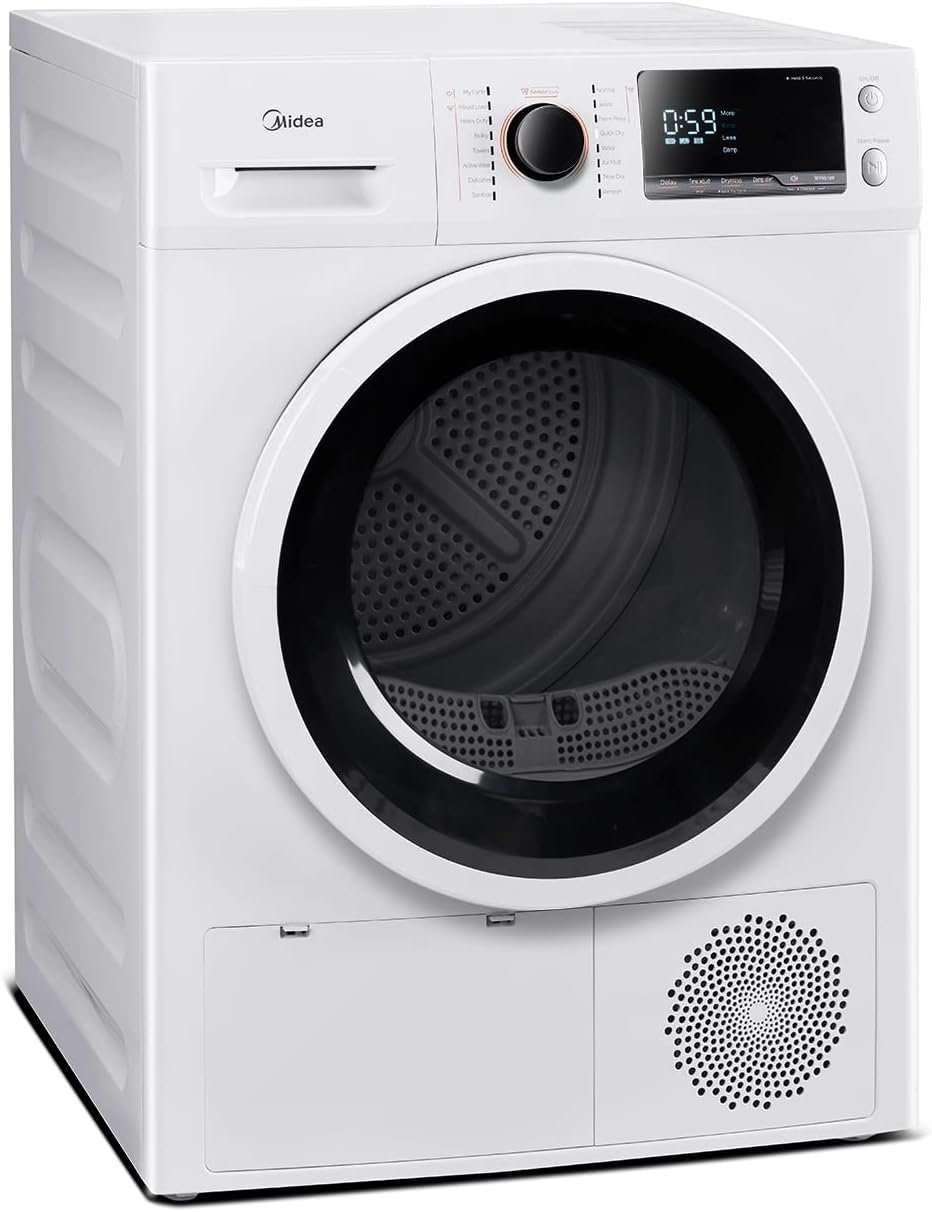
The Midea MLE25H7BWW Heat Pump Dryer: A Space-Saving Solution for Modern Laundry Needs
In today’s fast-paced households, efficient laundry solutions are more critical than ever. The Midea MLE25H7BWW Heat Pump, Ventless Front Load Dryer represents a significant advancement in compact, energy-efficient drying technology. Designed for urban dwellers, RV owners, and small-space living environments, this dryer combines smart engineering with user-centric design to streamline laundry routines. Its ventless operation eliminates the need for complex ventilation systems, while its heat pump technology reduces energy consumption by up to 28% compared to standard dryers. For households with limited square footage, the Midea’s stackable configuration and 4.4 cubic feet capacity offer a practical alternative to traditional dryer setups. However, its performance in real-world scenarios depends on factors like load size, fabric types, and user habits. This review evaluates the dryer’s energy efficiency, drying capabilities, and integration potential with a compatible washing machine, helping buyers determine if it aligns with their laundry needs.
Quick Overview
| Feature | Details |
|---|---|
| Appliance Type | Heat Pump, Ventless Front Load Dryer |
| Load Capacity | 4.4 Cubic Feet |
| Installation Type | Freestanding (Stackable) |
| Control System | LED Display, Touch Controls |
| Key Cycles | Wrinkle Care, Dry Smart, High-Temperature Drying |
| Energy Efficiency | ENERGY STAR Qualified |
| Intended Household Size | Small to Medium |
| Warranty | 1-Year Manufacturer |
The Midea MLE25H7BWW’s compact footprint and ventless design make it ideal for spaces where traditional dryers would be impractical. Its stackable configuration with a compatible washing machine optimizes vertical space, while the heat pump system ensures energy efficiency without sacrificing drying performance. The 4.4 cubic feet capacity suits small to medium households, though users with large families may require a larger model. The ENERGY STAR certification underscores its commitment to reducing energy use, aligning with modern sustainability goals.

Energy Efficiency and Environmental Impact

Heat Pump Technology and Energy Savings
The Midea MLE25H7BWW’s heat pump dryer operates on a principle of thermal recycling, where heat is extracted from the air and reused rather than generated from electrical resistance. This closed-loop system reduces energy consumption by up to 28% compared to conventional dryers, making it a cost-effective option for households with high laundry demands. The dryer’s low-temperature drying cycle also minimizes fabric wear, extending the lifespan of garments. However, the heat pump’s efficiency is contingent on ambient temperatures, which may affect performance in colder climates. The ENERGY STAR certification ensures the appliance meets federal energy efficiency standards, though third-party testing is recommended to verify real-world savings.
The heat pump technology’s energy savings are particularly impactful for users who rely on electric heating systems. By reducing the dryer’s reliance on electricity, the Midea MLE25H7BWW can lower monthly utility bills, especially in regions with high energy costs. For example, a household with 10 laundry loads per week could save approximately $150 annually compared to a standard dryer. The low-temperature drying cycle also prevents the high heat exposure that can cause fabrics to shrink, fade, or develop wrinkles, making it ideal for delicate materials like silk or wool. However, users in colder regions may need to ensure the unit is placed in a well-insulated area to maintain optimal performance.
Water and Resource Conservation
While the Midea dryer does not directly conserve water, its energy efficiency indirectly supports resource sustainability by reducing the carbon footprint associated with electricity use. The ventless design eliminates the need for venting, which can reduce material waste from traditional dryer vents. However, the lack of venting means the dryer relies on a condenser to remove moisture, which may require periodic maintenance to prevent clogging. Users should also consider the environmental impact of the dryer’s plastic components and whether they align with their eco-conscious priorities.
The condenser system in the Midea MLE25H7BWW is designed to collect moisture from the air during the drying cycle, but it requires regular cleaning to maintain efficiency. Over time, condensation buildup can reduce the unit’s performance and increase energy consumption. Users should inspect the condenser every three months and clean it using a mild detergent or vinegar solution to prevent clogging. Additionally, the ventless design means the dryer does not emit hot air into the environment, which could be beneficial in reducing heat buildup in small spaces like apartments or RVs. However, this feature also means the unit must be installed in a location with adequate airflow to ensure proper heat dissipation and prevent overheating.
Drying Performance and Fabric Care

Load Capacity and Suitability for Household Sizes
With a 4.4 cubic feet capacity, the Midea MLE25H7BWW is well-suited for small to medium households, handling daily laundry loads for 1-2 families. The dryer’s stackable design with a compatible washing machine further enhances its space efficiency, making it ideal for apartments, RVs, or dormitories. However, users with large families or frequent laundry needs may find the capacity insufficient, as it can take multiple cycles to dry heavy loads. The dryer’s ability to handle mixed fabrics, including delicate materials, is a notable advantage, though the absence of a dedicated delicates cycle may limit its versatility.
The 4.4 cubic feet capacity is equivalent to approximately 25 pounds of laundry, which is sufficient for a single person or a couple. For households with three or more members, the capacity may become a bottleneck, as it would require two cycles to dry a full load. This limitation is particularly relevant for users with high laundry demands, such as those with multiple children or pets. The stackable configuration with a compatible washing machine can mitigate this issue by allowing the dryer to be placed directly above the washer, optimizing vertical space. However, users must ensure the washer and dryer are compatible in terms of size and weight distribution to avoid stability issues.
Cycle Variety and Fabric Care Flexibility
The Midea dryer offers several drying modes to accommodate different fabric types and user preferences. The Dry Smart feature uses a humidity sensor to adjust drying time automatically, preventing over-drying and preserving fabric integrity. The Wrinkle Care mode provides approximately 90 minutes of intermittent tumbling in unheated air, reducing wrinkling without heat exposure. While these modes enhance fabric care, users may need to manually adjust settings for optimal results. The lack of a dedicated sanitize or eco-mode could be a drawback for those prioritizing hygiene or energy efficiency.
The Dry Smart cycle is particularly beneficial for users with mixed laundry loads, as it dynamically adjusts the drying time based on the moisture levels detected by the humidity sensor. This feature is especially useful for items like cotton or denim, which require longer drying times, while reducing the risk of over-drying synthetic fabrics. The Wrinkle Care mode, on the other hand, is ideal for garments that are prone to wrinkling, such as dress shirts or blouses. However, the unheated tumbling process may not be as effective for heavily wrinkled fabrics, requiring users to remove the load during the cycle to avoid excessive creasing. The absence of a dedicated sanitize mode could be a drawback for users who prioritize hygiene, as it lacks the high-temperature cycles needed to kill bacteria or allergens.
Installation and Space Requirements

Ventless Design and Stackable Integration
The ventless operation of the Midea MLE25H7BWW eliminates the need for external venting, simplifying installation in spaces where venting is impractical. The dryer’s compact size (25.7 x 23.4 x 33.5 inches) and stackable configuration with a compatible washing machine make it an attractive option for small spaces. However, the ventless design requires a condenser to remove moisture, which may necessitate additional maintenance compared to vented dryers. Users should ensure the installation area allows for proper airflow around the unit to prevent overheating.
The ventless design is a major advantage for users who live in apartments, RVs, or other spaces where traditional venting is not feasible. Unlike vented dryers, which require a dedicated vent duct, the Midea MLE25H7BWW eliminates the need for complex installation, saving time and labor costs. However, the absence of a vent means the dryer relies on a condenser to collect and expel moisture, which can lead to condensation buildup if not properly maintained. The condenser must be cleaned regularly to prevent clogging, which could reduce the unit’s efficiency and increase energy consumption. Users should also consider the location of the dryer, as adequate airflow is necessary to prevent overheating and ensure optimal performance.
Noise and Vibration Control
The Midea dryer’s heat pump system operates at a lower noise level than conventional dryers, though the condenser fan may generate audible noise during operation. The unit’s weight (120.7 pounds) and balanced drum design help minimize vibration, though users in quiet environments may still find the noise disruptive. The lack of a dedicated noise-reduction mode means users must rely on the dryer’s inherent design to manage sound levels. Placement near walls or furniture can further dampen noise, but this may affect airflow and heat dissipation.
The noise level of the Midea MLE25H7BWW is relatively low compared to traditional dryers, which typically operate at 60-70 decibels. However, the condenser fan may produce a humming sound, especially during the initial stages of the drying cycle. Users in noise-sensitive environments, such as apartments or shared living spaces, may need to place the dryer in a location with sound-dampening materials or use a soundproofing panel to reduce disturbances. The unit’s weight and balanced drum design help minimize vibration, but the noise level could still be a concern for users who prioritize quiet operation. Proper placement, such as in a corner with ample space for airflow, can help mitigate these issues.
Long-Term Durability and Maintenance

Material Quality and Component Reliability
The Midea MLE25H7BWW features a stainless steel inner tub and plastic housing, which provide durability while keeping costs manageable. The heat pump components are designed for long-term use, though the condenser may require periodic cleaning to maintain efficiency. The inclusion of a back-up drain hose ensures reliability in case of primary hose failure, though users must manually remove the drain plug before installation. The absence of a dedicated lint filter or self-cleaning function could lead to maintenance challenges over time.
The stainless steel inner tub is resistant to corrosion and wear, making it suitable for frequent use. However, the plastic housing may be more susceptible to scratches or cracks over time, especially in environments with high humidity. The heat pump components, including the condenser and compressor, are built to withstand the rigors of daily use but may require regular maintenance to ensure optimal performance. The back-up drain hose provides an additional layer of reliability, but users must remember to remove the drain plug before connecting the drain hose to the washing machine. The lack of a dedicated lint filter means users must rely on manual cleaning of the condenser to prevent clogging, which could be a drawback for those who prefer automated maintenance.
Maintenance Requirements and Lifespan
Regular maintenance is essential to preserve the dryer’s performance. The condenser should be cleaned every few months to prevent clogging, and the drain hose should be inspected for leaks or blockages. The dryer’s warranty of one year provides basic coverage for manufacturing defects but does not include routine maintenance. While the heat pump system is generally durable, the lack of a warranty extension for parts like the condenser may be a concern for long-term users. Proper ventilation and adherence to installation guidelines can extend the appliance’s lifespan beyond the initial warranty period.
The condenser cleaning process involves disassembling the unit to access the condensation collection area, which is typically located at the back of the dryer. Users should use a mild detergent or vinegar solution to clean the condenser and avoid abrasive materials that could damage the components. The drain hose should be inspected for kinks or blockages and replaced if necessary. The warranty of one year covers manufacturing defects but does not extend to maintenance-related issues, which may be a concern for users who prefer extended coverage. Proper ventilation and installation guidelines, such as ensuring the unit is placed in a well-ventilated area, can help prolong the dryer’s lifespan and reduce the risk of overheating or mechanical failures.

Pros & Cons
Pros
- Energy Efficiency: The heat pump technology reduces energy use by up to 28%, aligning with sustainability goals.
- Space-Saving Design: The ventless and stackable configuration optimizes small spaces without sacrificing performance.
- Smart Drying Modes: The Dry Smart and Wrinkle Care features adapt to moisture levels and fabric types, enhancing care.
- ENERGY STAR Certification: Meets federal efficiency standards, ensuring cost savings over time.
- Stainless Steel Tub: Durable construction resists corrosion and maintains hygiene.
- Compact Footprint: 24-inch width suits apartments, RVs, and dormitories without requiring extensive installation.
Cons
- Limited Capacity: 4.4 cubic feet may be insufficient for large households or frequent laundry needs.
- Maintenance Requirements: Condenser cleaning and drain hose inspection are necessary to maintain efficiency.
- No Dedicated Eco-Mode: Missing a sanitize or energy-saving mode could limit versatility.
- Noise Considerations: Condenser fan may generate audible noise in quiet environments.
- Dependent on Compatible Washer: Stackable setup requires a compatible washing machine for optimal use.
- Warranty Limitations: One-year warranty does not cover routine maintenance or parts like the condenser.
Final Verdict: Who This Washer or Dryer Is Best For (and Who Should Skip It)
The Midea MLE25H7BWW Heat Pump, Ventless Front Load Dryer is an excellent choice for urban dwellers, RV owners, and small-space households seeking an energy-efficient, compact drying solution. Its stackable design and smart drying modes make it particularly suitable for users with limited square footage and a focus on sustainability. However, it may not be ideal for large families or those with high laundry volumes, as the 4.4 cubic feet capacity could become a bottleneck. Additionally, the lack of a dedicated eco-mode and potential maintenance requirements may deter users prioritizing advanced features or long-term reliability. For those seeking a balance between efficiency and space optimization, the Midea dryer offers a compelling option, though careful consideration of household size and usage patterns is essential.

Frequently Asked Questions (FAQs)
Is the Midea MLE25H7BWW suitable for small households?
The Midea MLE25H7BWW is ideal for small households due to its 4.4 cubic feet capacity and compact 24-inch width. Its stackable design with a compatible washing machine optimizes space in apartments, RVs, or dormitories, making it a practical choice for single or small-family use.
How energy efficient is the Midea MLE25H7BWW dryer?
The Midea dryer uses heat pump technology to reduce energy consumption by up to 28% compared to standard dryers. Its ENERGY STAR certification ensures it meets federal efficiency standards, making it a cost-effective option for long-term use.
Does the Midea dryer require venting?
No, the Midea MLE25H7BWW is a ventless dryer that uses a condenser to remove moisture, eliminating the need for external venting. This design simplifies installation in spaces where venting is impractical, such as apartments or small rooms.
What are the drying modes on the Midea dryer?
The dryer offers Dry Smart (humidity-based drying), Wrinkle Care (90 minutes of intermittent tumbling to reduce wrinkling), and high-temperature drying modes. These settings adapt to moisture levels and fabric types, enhancing fabric care.
How do I maintain the Midea dryer’s condenser?
The condenser should be cleaned every few months to prevent clogging. Users should also inspect the drain hose for leaks or blockages. Regular maintenance ensures optimal efficiency and prolongs the dryer’s lifespan.
Can the Midea dryer be used without a compatible washer?
The Midea MLE25H7BWW is designed for stackable use with a compatible washing machine. While it can function as a standalone dryer, its full potential in terms of space optimization and efficiency is best realized when paired with a matching washer.
What is the warranty coverage for the Midea dryer?
The Midea dryer comes with a one-year manufacturer warranty, covering defects in materials and workmanship. However, this does not include routine maintenance or parts like the condenser, which may require separate servicing.
How does the Midea dryer handle delicate fabrics?
The dryer’s low-temperature drying cycle and Wrinkle Care mode are gentle on delicate fabrics, reducing heat exposure and minimizing wrinkling. However, users may need to manually adjust settings for optimal results with sensitive materials.