
The Importance of Choosing the Right Dryer
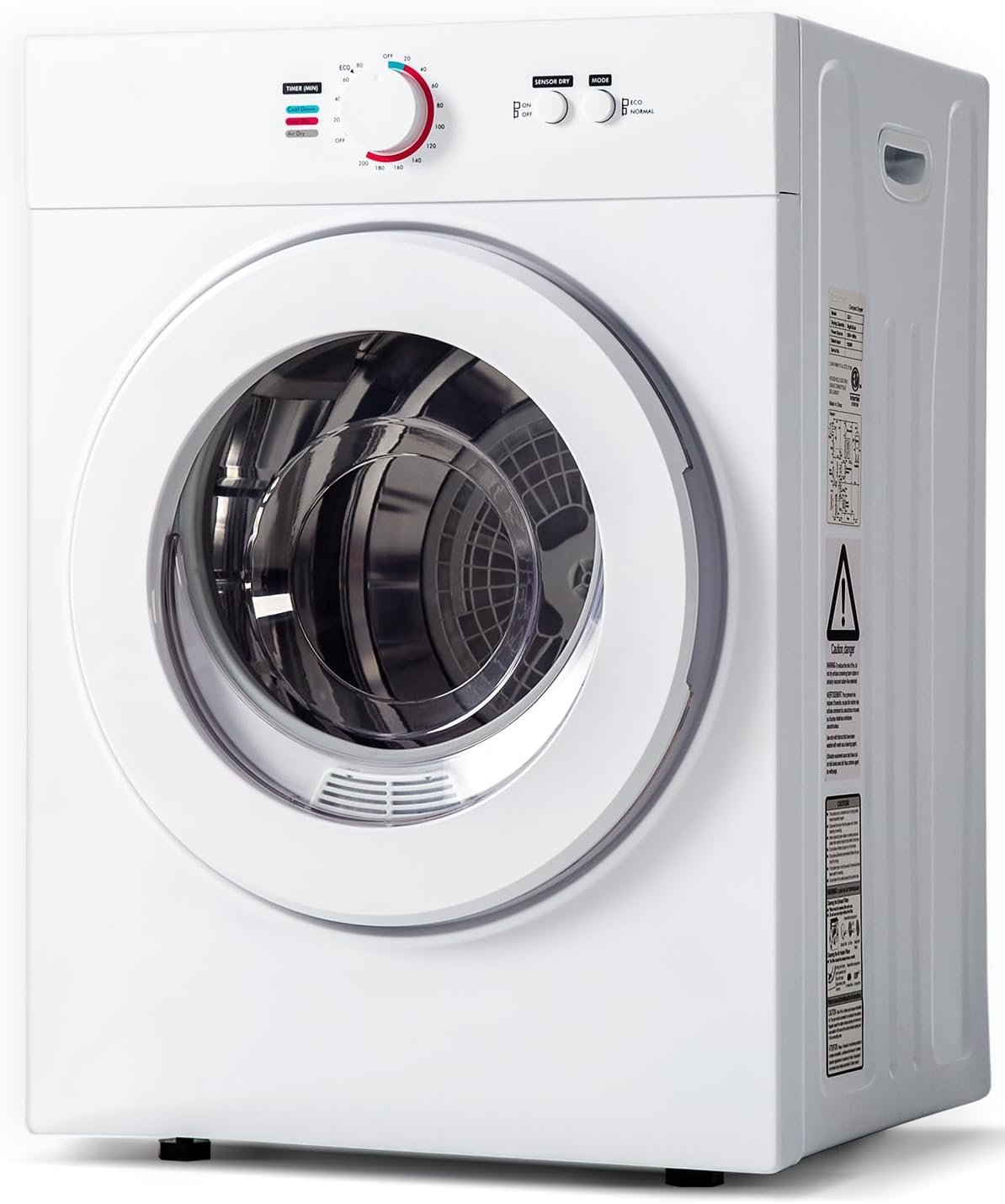
Selecting an appropriate dryer is a critical decision for any household, as it directly impacts laundry efficiency, energy consumption, and fabric care. With the average American household doing approximately 300 loads of laundry annually, the performance and reliability of a dryer can significantly affect daily routines. Modern dryers must balance speed, energy efficiency, and space constraints, especially in urban environments where square footage is limited. The 1.8 cubic foot compact dryer under review represents a niche solution for small spaces, offering a blend of portability and performance. Its design addresses common challenges faced by apartment dwellers, dorm residents, and RV owners who require a drying solution that adapts to their unique living conditions. This dryer’s 1020W power output and stainless steel drum construction highlight engineering priorities: durability, heat distribution, and lint management. While compact dryers may not match the capacity of full-sized models, they excel in specific scenarios where space and energy efficiency are paramount. Understanding the trade-offs between load capacity, drying speed, and energy use is essential for making an informed decision. This review evaluates the dryer’s specifications, design features, and performance characteristics to help users determine its suitability for their specific laundry needs.
Quick Overview
| Feature | Details |
|---|---|
| Appliance Type | Front-load dryer |
| Load Capacity | 1.8 cubic feet |
| Form Factor | Compact, portable |
| Voltage | 120 volts |
| Control System | Knob-based interface |
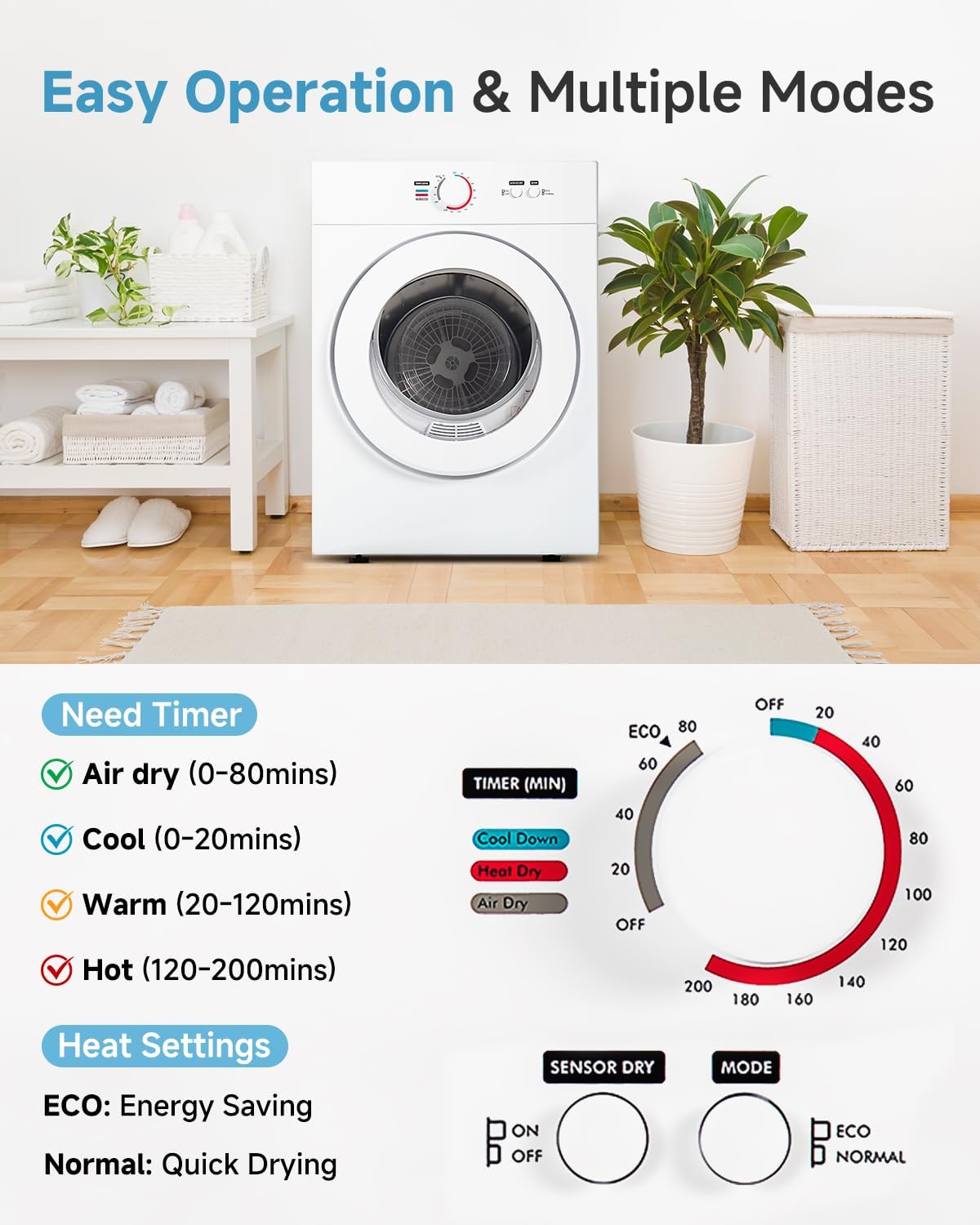
| Drying Modes | Four programmable settings |
| Drum Material | Stainless steel |
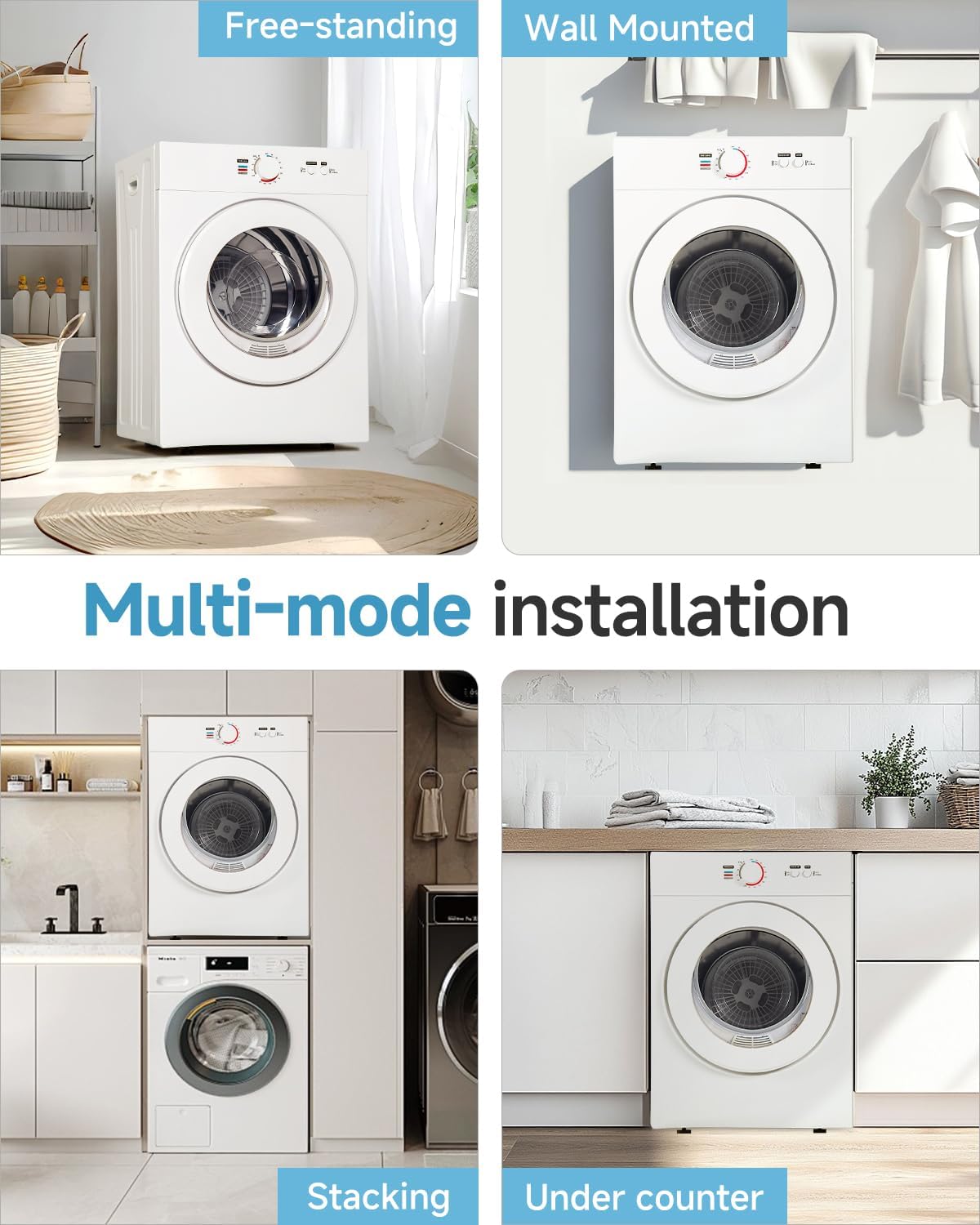
| Installation Type | Wall-mountable |
| Warranty | 1-year manufacturer coverage |
| Intended Use | Small spaces, apartments, dorms |
| Energy Efficiency | No specific certification noted |
This compact dryer is engineered for users with limited storage space who require a drying solution that balances efficiency and functionality. Its 1.8 cubic foot capacity is ideal for small loads, making it particularly suited for drying delicate fabrics, children’s clothing, and lightweight garments. The stainless steel drum enhances durability while minimizing lint buildup, a common issue in smaller appliances. The wall-mountable design adds flexibility, allowing users to optimize space in tight environments. While the dryer lacks formal energy efficiency certifications, its 1020W power output suggests a focus on rapid drying without excessive energy consumption. The absence of a dedicated lint trap or advanced filtration system may influence its suitability for high-volume laundry use. Overall, this dryer represents a practical solution for users prioritizing portability and space efficiency over maximum capacity.
Drying Performance and Load Capacity
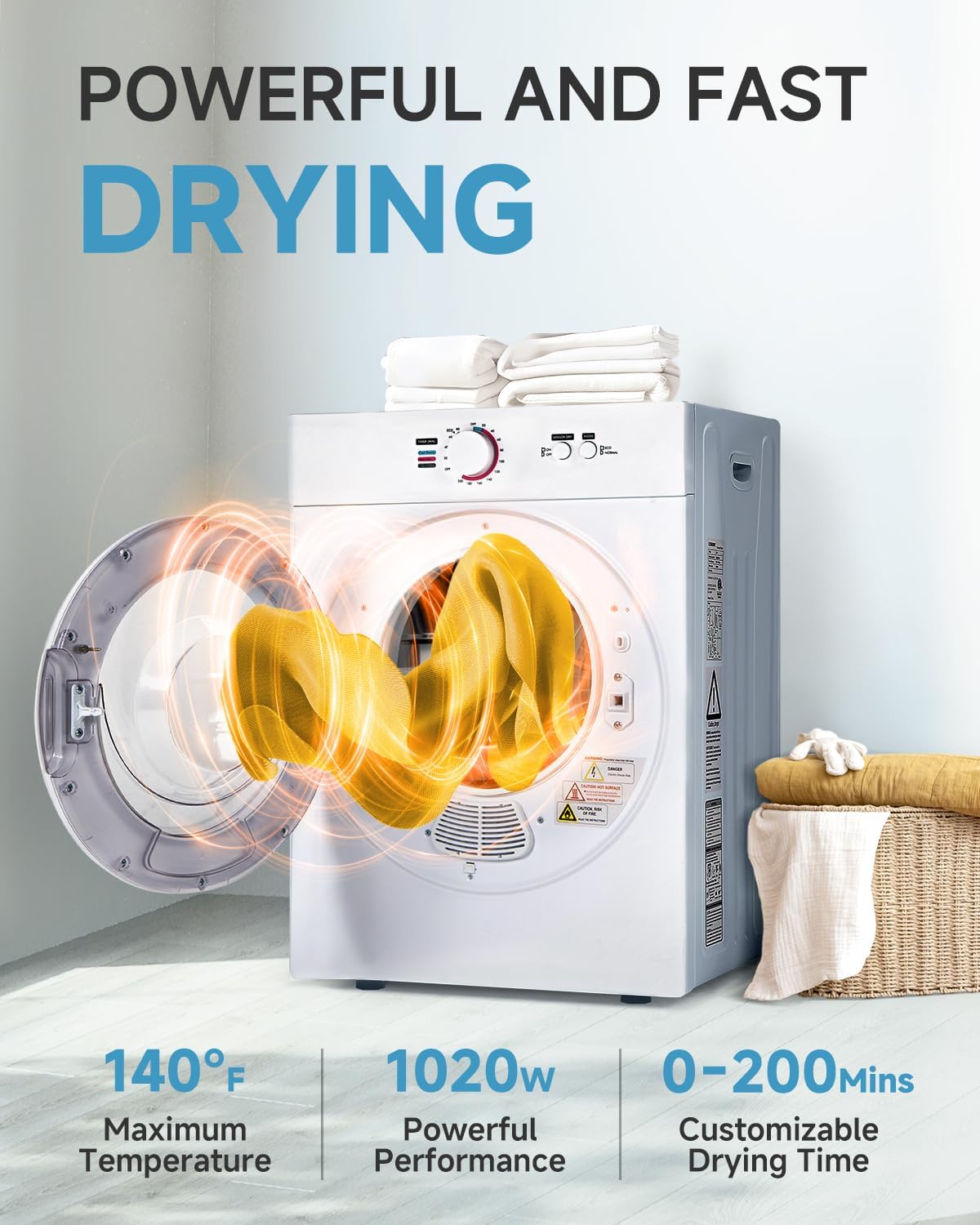
The dryer’s 1.8 cubic foot capacity is a defining factor in its performance profile, directly influencing how quickly and effectively it can dry laundry. This size is best suited for small loads, making it ideal for users who frequently wash delicate fabrics, children’s clothing, or lightweight garments that require gentle drying. The 1020W power output ensures the dryer can reach a maximum temperature of 140°F, which is sufficient for most everyday fabrics while minimizing the risk of overheating synthetic materials. However, this capacity may not be adequate for larger loads, such as bulkier items like towels or bedding, which would require a more powerful appliance. The dryer’s design emphasizes efficiency over capacity, which is well-suited for users who prioritize quick drying cycles over the ability to process multiple items at once. For households with limited space or those who only need to dry small quantities of laundry, this dryer offers a practical solution. However, users with higher volume laundry needs may find the 1.8 cubic foot capacity insufficient for their requirements.
Fabric Compatibility and Drying Modes
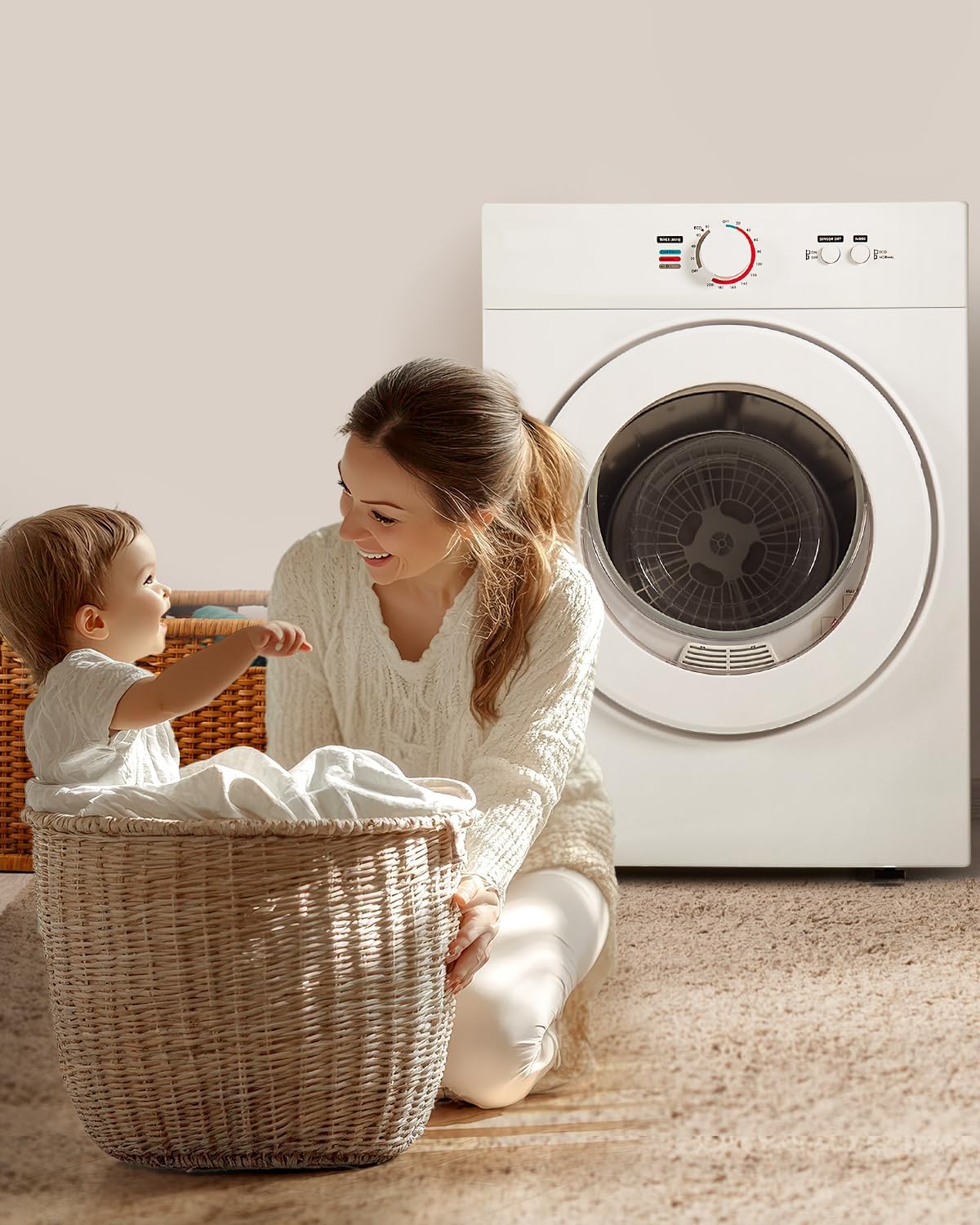
The dryer’s four drying modes are designed to accommodate a range of fabric types, addressing the need for tailored drying settings. These modes likely include options for delicate fabrics, regular cycles, and possibly a combination of heat and tumbling for optimal results. The inclusion of multiple settings allows users to adjust the drying process based on the specific needs of their laundry, which is particularly beneficial for households with mixed fabric types. The forward and reverse tumbling action mentioned in the product description is a key design feature that enhances even distribution of heat and reduces the risk of fabric wrinkling. This tumbling mechanism is particularly effective for items that require gentle handling, such as baby clothes or synthetic materials that are prone to stretching. However, the absence of specialized cycles for heavy-duty fabrics like denim or thick cotton may limit its versatility for users with more demanding laundry needs. The dryer’s ability to maintain a consistent tumbling motion without excessive vibration is a positive aspect, as it contributes to a more uniform drying process and reduces the likelihood of uneven drying.
Load Management and Drying Efficiency
The dryer’s maximum load capacity of 12 pounds (wet clothes) is a critical consideration for users looking to optimize drying efficiency. This limit ensures that the dryer can maintain an optimal balance between heat distribution and tumbling action, which is essential for effective drying. Overloading the dryer can lead to longer drying times and uneven results, as the tumbling motion becomes less effective when there is an excessive amount of fabric. The 12-pound limit is particularly relevant for users who frequently wash small items like t-shirts, underwear, or baby clothes, as these items require precise load management to avoid overfilling. The dryer’s design prioritizes controlled drying rather than high-capacity processing, which is well-suited for users who prefer to do multiple smaller loads rather than fewer larger ones. However, this capacity may not be sufficient for users who need to dry larger quantities of laundry in a single cycle, such as those who regularly wash towels or bedding. The dryer’s efficiency in handling smaller loads is a significant advantage, but users with higher volume laundry needs may need to consider a larger-capacity model.
Energy Efficiency and Environmental Impact
The dryer’s energy efficiency profile is a key factor in its overall performance, particularly for users concerned about long-term operating costs and environmental impact. While the product description does not explicitly mention energy efficiency certifications, the 1020W power output suggests a moderate level of energy consumption. This power rating is sufficient to achieve a maximum temperature of 140°F, which is effective for most everyday fabrics but may not be the most energy-efficient option available in the market. The absence of formal energy efficiency certifications, such as ENERGY STAR, indicates that the dryer may not meet the stringent energy-saving standards of more advanced models. However, the compact size of the dryer likely contributes to its overall energy efficiency by reducing the amount of heat that needs to be generated for each cycle. The stainless steel drum design also plays a role in energy efficiency by minimizing heat loss and maintaining a consistent temperature throughout the drying process. For users who prioritize energy efficiency over maximum capacity, this dryer may not be the optimal choice, as its energy consumption could be higher compared to larger, more efficient models. Nonetheless, the dryer’s compact design and moderate power output make it a viable option for users who require a balance between performance and energy use.

Heat Management and Environmental Considerations
The dryer’s heat management system is a critical aspect of its design, influencing both its effectiveness and environmental impact. The ability to reach a maximum temperature of 140°F is essential for achieving thorough drying, but it also raises questions about energy consumption and heat dissipation. The stainless steel drum helps to retain heat efficiently, which contributes to faster drying times, but this can also lead to higher energy usage compared to models with more advanced insulation or heat retention technologies. The forward and reverse tumbling action mentioned in the product description is designed to enhance heat distribution, which is particularly beneficial for items that require even drying. However, the absence of a dedicated heat exchanger or advanced insulation features may result in higher energy costs over time. For users who are environmentally conscious, the lack of formal energy efficiency certifications could be a drawback, as it suggests that the dryer may not meet the energy-saving standards of more modern appliances. Nevertheless, the dryer’s compact design and moderate power output make it a practical option for users who prioritize a balance between performance and energy use.
Installation and Space Requirements
The dryer’s portability and wall-mountable design make it a versatile option for users with limited space, particularly in apartments, dorms, and RVs. Its compact size, measuring 17.8″D x 19.3″W x 27.1″H, allows it to fit in tight corners or against walls, maximizing the use of available space. The wall-mountable feature adds an extra layer of flexibility, enabling users to install the dryer in areas where floor space is at a premium. This design is particularly beneficial for users who need to optimize their living spaces without sacrificing laundry capabilities. However, the dryer’s installation requirements may present some challenges. The need for a dedicated power source and proper ventilation is essential for safe and efficient operation. The product description does not specify the exact electrical requirements beyond the 120V voltage, which is standard for most household appliances. Users should ensure that their electrical setup can accommodate the dryer’s power needs, especially if they plan to use it frequently. Additionally, the dryer’s ventilation system, which includes a lint trap and exhaust pipe fitting, must be properly installed to prevent lint buildup and ensure safe operation. For users who are not familiar with electrical or ventilation requirements, the installation process may require some technical expertise or the assistance of a professional. Overall, the dryer’s design offers significant flexibility in terms of installation and space utilization, but users should be aware of the necessary setup requirements to ensure optimal performance.

Ventilation and Safety Features
The dryer’s ventilation system is a critical component of its design, ensuring safe and efficient operation. The inclusion of a multi-filter system to trap lint is a positive feature, as it helps prevent lint from escaping into the environment and reduces the risk of fire hazards. The product description mentions an exhaust pipe fitting, which is essential for directing lint and moisture away from the dryer, maintaining air quality and preventing moisture buildup. However, the absence of a dedicated lint trap or advanced filtration system may affect the dryer’s overall effectiveness in managing lint accumulation. The transparent door window mentioned in the product description allows users to monitor the drying process, which is particularly useful for ensuring that the lint trap is functioning properly. The automatic stop feature that halts the dryer if the door is opened during operation is a safety measure that prevents potential damage to the machine and ensures user safety. While these features contribute to the dryer’s reliability, the lack of more advanced ventilation options may make it less suitable for users who require extended or high-volume drying cycles. Overall, the dryer’s ventilation and safety features are adequate for its intended use, but users should be aware of the limitations in terms of lint management and ventilation efficiency.
Pros & Cons
Pros
- Compact Design: The 1.8 cubic foot capacity is ideal for small spaces, making it suitable for apartments, dorms, and RVs where floor space is limited.
- Stainless Steel Drum: The durable drum construction enhances longevity and minimizes lint buildup, contributing to a more efficient drying process.
- Multiple Drying Modes: The four programmable settings allow users to tailor the drying process to different fabric types, improving results for delicate and synthetic materials.
- Wall-Mountable Option: The ability to mount the dryer on a wall adds flexibility in space utilization, particularly beneficial for users with limited floor space.
- Quiet Operation: The mini dryer runs quietly, making it suitable for use in shared living spaces or during nighttime hours without disturbing others.
- User-Friendly Controls: The knob-based interface is simple to operate, reducing the learning curve for users who may not be familiar with more complex dryer controls.
- Efficient Heat Distribution: The forward and reverse tumbling action ensures even heat distribution, reducing the likelihood of uneven drying and fabric wrinkling.
- Safety Features: The automatic stop function prevents damage to the machine if the door is opened during operation, enhancing user safety.
Cons
- Limited Load Capacity: The 1.8 cubic foot capacity is best suited for small loads, which may not be sufficient for users with higher volume laundry needs.
- No Energy Efficiency Certifications: The absence of formal energy efficiency certifications, such as ENERGY STAR, suggests that the dryer may not meet the energy-saving standards of more advanced models.
- Basic Ventilation System: While the dryer includes a multi-filter system to trap lint, the lack of a dedicated lint trap or advanced filtration system may affect its effectiveness in managing lint accumulation.
- Higher Energy Consumption: The 1020W power output may result in higher energy costs compared to more energy-efficient models, particularly for frequent use.
- Installation Considerations: The need for a dedicated power source and proper ventilation may present challenges for users unfamiliar with electrical or ventilation requirements.
- Limited Fabric Compatibility: The absence of specialized cycles for heavy-duty fabrics like denim or thick cotton may limit its versatility for users with more demanding laundry needs.
- No Dedicated Lint Trap: The lack of a dedicated lint trap could lead to increased maintenance and cleaning frequency, as users will need to manually remove lint buildup.
Final Verdict: Who This Washer or Dryer Is Best For (and Who Should Skip It)
The 1.8 cubic foot compact dryer is an excellent choice for users with limited space who require a drying solution that prioritizes portability and efficiency over maximum capacity. It is particularly well-suited for small households, apartment dwellers, and dorm residents who frequently wash delicate fabrics, children’s clothing, or lightweight garments. The stainless steel drum and multiple drying modes contribute to a reliable and user-friendly experience, while the wall-mountable design adds flexibility in space utilization. However, this dryer is not ideal for users with high-volume laundry needs, as its 1.8 cubic foot capacity may struggle to handle larger loads efficiently. Additionally, the lack of energy efficiency certifications and advanced ventilation features may make it less suitable for environmentally conscious users or those who require extended drying cycles. For individuals who prioritize a balance between performance and space efficiency, this dryer offers a practical solution. Conversely, users who need a more powerful drying unit for frequent, large-volume laundry should consider a larger-capacity model that better meets their specific needs.
Frequently Asked Questions (FAQs)
Is this dryer suitable for apartments or dorms?
Yes, the 1.8 cubic foot compact dryer is specifically designed for small spaces like apartments, dorms, and RVs. Its wall-mountable design and compact size make it ideal for optimizing limited living space while maintaining efficient drying performance.
How does the stainless steel drum benefit the drying process?
The stainless steel drum enhances durability and reduces lint buildup, contributing to a more efficient drying process. It also helps maintain even heat distribution, minimizing the risk of fabric wrinkling and ensuring consistent drying results.
Can this dryer handle heavy-duty fabrics like denim?
The dryer’s four drying modes are designed for a range of fabrics, but it may not be optimal for heavy-duty materials like denim. Users should consider the load capacity and fabric compatibility to avoid overloading or damaging delicate items.
What is the maximum load capacity for this dryer?
The dryer is designed for a maximum load of 12 pounds of wet clothes. This limit ensures optimal heat distribution and tumbling action, making it best suited for small loads like baby clothes, underwear, and lightweight garments.
Is there a dedicated lint trap for this dryer?
The dryer includes a multi-filter system to trap lint, but it does not have a dedicated lint trap. Users should regularly clean the filters to maintain efficiency and prevent lint buildup, which is essential for safe and effective operation.
How energy-efficient is this dryer?
The dryer’s energy efficiency is not explicitly certified, but its 1020W power output suggests a moderate level of energy consumption. While it is suitable for small loads, users concerned about long-term energy costs may need to consider more energy-efficient models for frequent use.
Can this dryer be mounted on a wall?
Yes, the dryer is wall-mountable, offering flexibility in installation. This feature is particularly beneficial for users with limited floor space, allowing them to optimize their living area while maintaining a drying solution.
What are the key safety features of this dryer?
The dryer includes an automatic stop function that halts operation if the door is opened during use, enhancing safety. The multi-filter system also helps prevent lint from escaping, reducing fire risks and improving air quality during operation.