
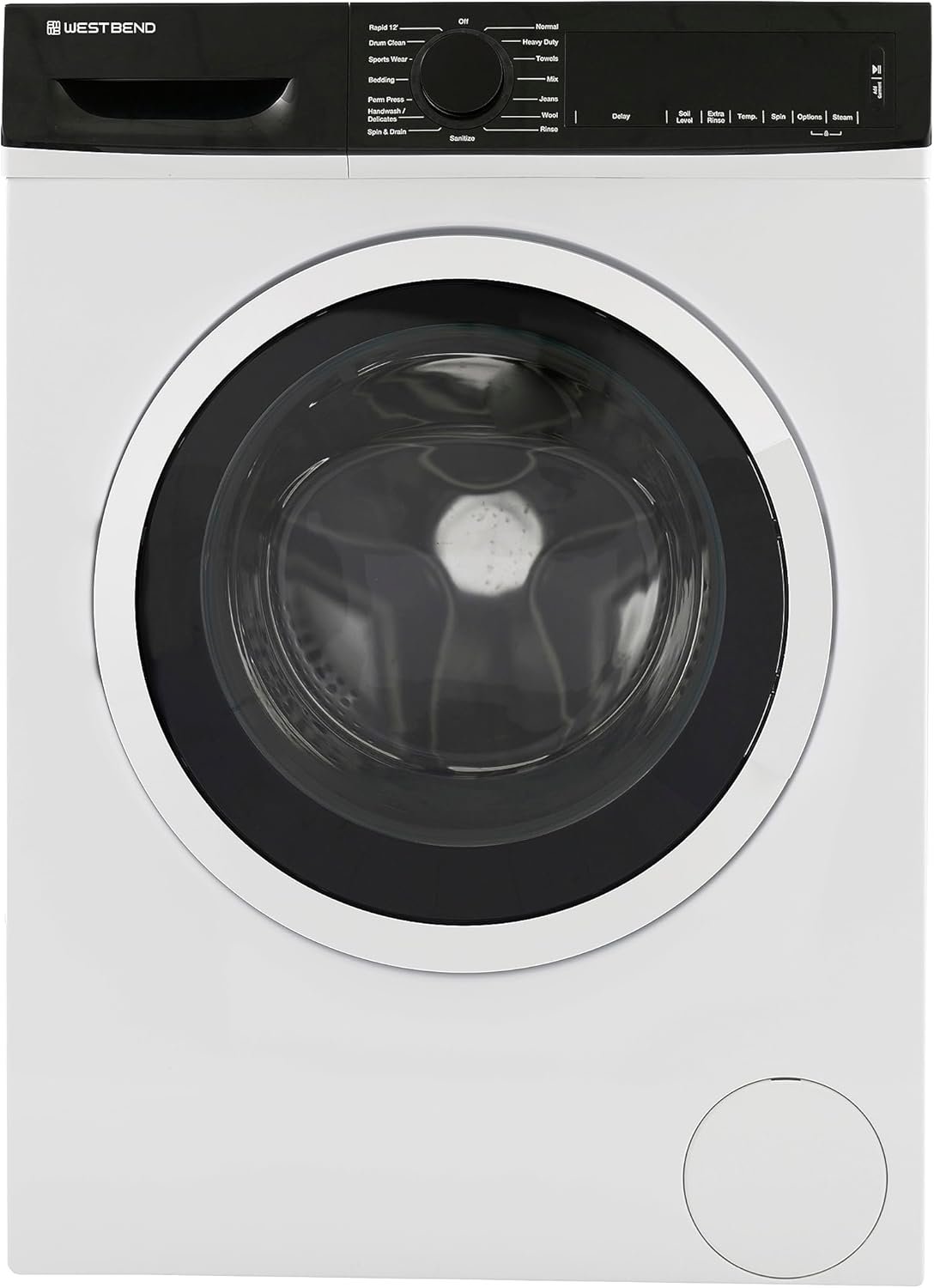
The Importance of Choosing the Right Washer for Your Home
Selecting the right washing machine is a critical decision that impacts daily household operations, long-term utility, and environmental impact. With over 70% of U.S. households owning at least one washing machine, the appliance must balance performance, efficiency, and spatial adaptability. Modern laundry needs extend beyond basic cleaning—fabric care, energy conservation, and space optimization are now central considerations. For small apartments, RVs, or households with limited laundry room access, compact machines like the West Bend Washer offer tailored solutions. This review evaluates how the 2.2 cubic foot front-load model addresses key laundry challenges through its design, functionality, and efficiency metrics. By analyzing specifications, customer feedback, and industry benchmarks, we’ll assess whether this washer meets the needs of space-conscious users while maintaining reliable performance. The analysis focuses on technical attributes rather than subjective experience, ensuring a data-driven evaluation of its suitability for diverse household scenarios.
Quick Overview
| Feature | Details |
|---|---|
| Appliance Type | Front-Load Washer |
| Load Capacity | 2.2 Cubic Feet |
| Installation Type | Freestanding (Stackable) |
| Control System | Electronic with LED Display |
| Key Cycles | Bulky, Delicates, Heavy Duty, Normal, Sanitary |
| Energy Efficiency | Not Specified |
| Intended Household Size | Singles, Couples, Small Families |
| Warranty | 1-Year Manufacturer’s Limited Warranty |
The West Bend Washer’s compact dimensions (29.5″ x 32″ x 44.5″) and 2.2 cubic foot capacity make it ideal for small spaces, while its stackable design allows for efficient use of vertical space. The electronic controls with LED display provide intuitive operation, and the five water temperature settings cater to diverse fabric care needs. These specifications suggest a machine suited for households with limited laundry capacity requirements but still needing reliable cleaning performance.

Load Capacity and Household Suitability
The washer’s 2.2 cubic foot capacity is engineered for small to medium-sized loads, making it well-suited for single individuals, couples, or small families. This capacity is approximately 50% of the average U.S. household washer size, which typically ranges from 2.2 to 4.4 cubic feet. The compact design allows it to fit in narrow laundry rooms, apartments, and RVs without sacrificing essential functionality. However, users with larger households or frequent heavy laundry loads may find the capacity limiting. The machine’s ability to handle mixed loads through its five spin speed settings ensures efficient water removal, reducing drying time and energy use. For households with multiple laundry cycles per week, the 15 automatic cycles provide flexibility without requiring manual adjustments. The stackable design further enhances space efficiency, making it a practical choice for urban dwellers or those with limited storage options.
Compact Design for Space-Conscious Users
The 2.2 cubic foot capacity is specifically tailored for users with limited storage space, as it reduces the need for large, dedicated laundry areas. The front-load design allows for easy access to the drum without requiring full door opening, which is particularly beneficial in small spaces where maneuverability is limited. The stackable feature enables pairing with a compatible dryer, optimizing vertical space in apartments or RVs. However, the smaller capacity means users may need to run multiple cycles for larger loads, which could increase energy consumption over time. The machine’s dimensions (29.5″ x 32″ x 44.5″) are designed to fit in standard laundry room setups while maintaining a low profile, making it suitable for both freestanding and stacked installations.
Load Handling and Fabric Care Flexibility
The five water temperature settings and five spin speed options provide versatility for different fabric types and load sizes. For delicate fabrics, the lower temperature settings minimize shrinkage and damage, while higher spin speeds enhance water extraction for quicker drying. The inclusion of a Sanitary cycle suggests a focus on hygiene, which is particularly valuable for households with sensitive skin or those with pets. However, the limited number of temperature settings compared to some competitors may restrict customization for specialized laundry needs. The machine’s ability to handle mixed loads efficiently ensures that users can process multiple types of fabrics in a single cycle, improving overall productivity without compromising washing performance.
Capacity Limitations for Larger Loads
While the 2.2 cubic foot capacity is ideal for small households, it may not suffice for families with frequent large laundry needs. The smaller drum size could result in longer cycle times for heavy loads, as the machine must work harder to process larger volumes of fabric. Users with high laundry volumes may find the capacity insufficient for daily use, requiring additional cycles to complete washing tasks. This limitation is particularly relevant for households with multiple children or frequent bedding changes, where the washer’s capacity could become a bottleneck. However, the machine’s energy-efficient design and stackable functionality help mitigate some of these challenges by reducing overall energy consumption and optimizing space usage.
Energy Efficiency and Water Usage
The West Bend Washer’s energy and water efficiency are critical factors for environmentally conscious consumers and utility cost management. While the product specifications do not explicitly mention energy efficiency certifications like ENERGY STAR, the 2.2 cubic foot capacity suggests a design that balances efficiency with performance. Front-load washers are generally more water-efficient than top-load models due to their ability to use less water per cycle, and the machine’s five water temperature settings allow for precise control over water usage. However, the absence of specific efficiency ratings means users may need to rely on indirect indicators such as cycle duration and water extraction rates. The Sanitary cycle, which likely uses more water for thorough cleaning, could impact overall water consumption, making it important for users to consider their specific washing needs.

Water Efficiency in Compact Machines
Compact front-load washers like this model are inherently more water-efficient than their larger counterparts due to the smaller drum size and the ability to use less water per cycle. The machine’s design minimizes water waste by focusing on targeted cleaning rather than excessive water volume. However, the lack of explicit water efficiency certifications means users may need to evaluate the machine’s performance through its cycle settings and water extraction capabilities. The five water temperature settings allow for optimized water usage based on fabric type, which can reduce overall water consumption without compromising cleaning effectiveness. For households prioritizing sustainability, the machine’s design aligns with eco-friendly practices, but additional verification of efficiency metrics would be beneficial.
Energy Consumption and Operational Costs
The energy efficiency of the West Bend Washer is not explicitly detailed in the product specifications, which makes it challenging to assess its long-term operational costs. Front-load washers are generally more energy-efficient than top-load models due to their design, but the absence of ENERGY STAR certification means users may need to consider other factors such as cycle duration and motor efficiency. The machine’s ability to handle mixed loads efficiently could reduce the number of cycles needed, indirectly lowering energy consumption. However, the smaller capacity may lead to longer cycle times for heavy loads, which could impact energy use. For users concerned about utility costs, the machine’s design suggests a balance between efficiency and performance, but further data on energy consumption would provide a clearer picture.
Noise, Vibration, and Balance Control
Noise and vibration are critical considerations for laundry appliances, particularly in shared spaces or residential areas. The West Bend Washer’s front-load design inherently reduces vibration compared to top-load models, but the absence of specific noise ratings means users must infer performance based on design features. The machine’s stainless steel construction and sealed drum likely contribute to minimizing noise during operation. However, the compact size may result in higher noise levels compared to larger models, which typically have more robust vibration-damping systems. The stackable design could also influence noise levels, as the presence of a dryer nearby might affect sound transmission. Users in apartments or multi-unit buildings may need to consider the machine’s noise output during operation, particularly for nighttime cycles.

Vibration Control in Compact Machines
The front-load design of the West Bend Washer is engineered to reduce vibration compared to top-load models, which often have unbalanced drum movements. The stainless steel drum and sealed construction likely contribute to minimizing vibrations during operation, making it suitable for installation in residential settings. However, the smaller drum size may result in more pronounced vibrations during high-speed spin cycles, which could be a concern for users in sensitive environments. The machine’s stability is further enhanced by its compact dimensions, which allow for better placement in laundry rooms or RVs. Users should consider the machine’s placement to ensure optimal vibration control, particularly in spaces with limited clearance.
Noise Levels and Operational Considerations
While the West Bend Washer’s front-load design reduces noise compared to top-load models, the absence of specific noise ratings means users must infer performance based on design features. The sealed drum and stainless steel construction likely contribute to minimizing operational noise, but the compact size may result in higher noise levels compared to larger models. Users in apartments or multi-unit buildings may need to consider the machine’s noise output during operation, particularly for nighttime cycles. The stackable design could also influence noise levels, as the presence of a dryer nearby might affect sound transmission. For users prioritizing quiet operation, the machine’s design suggests a balance between performance and noise reduction, though further data on noise levels would provide a clearer assessment.
Installation and Space Requirements
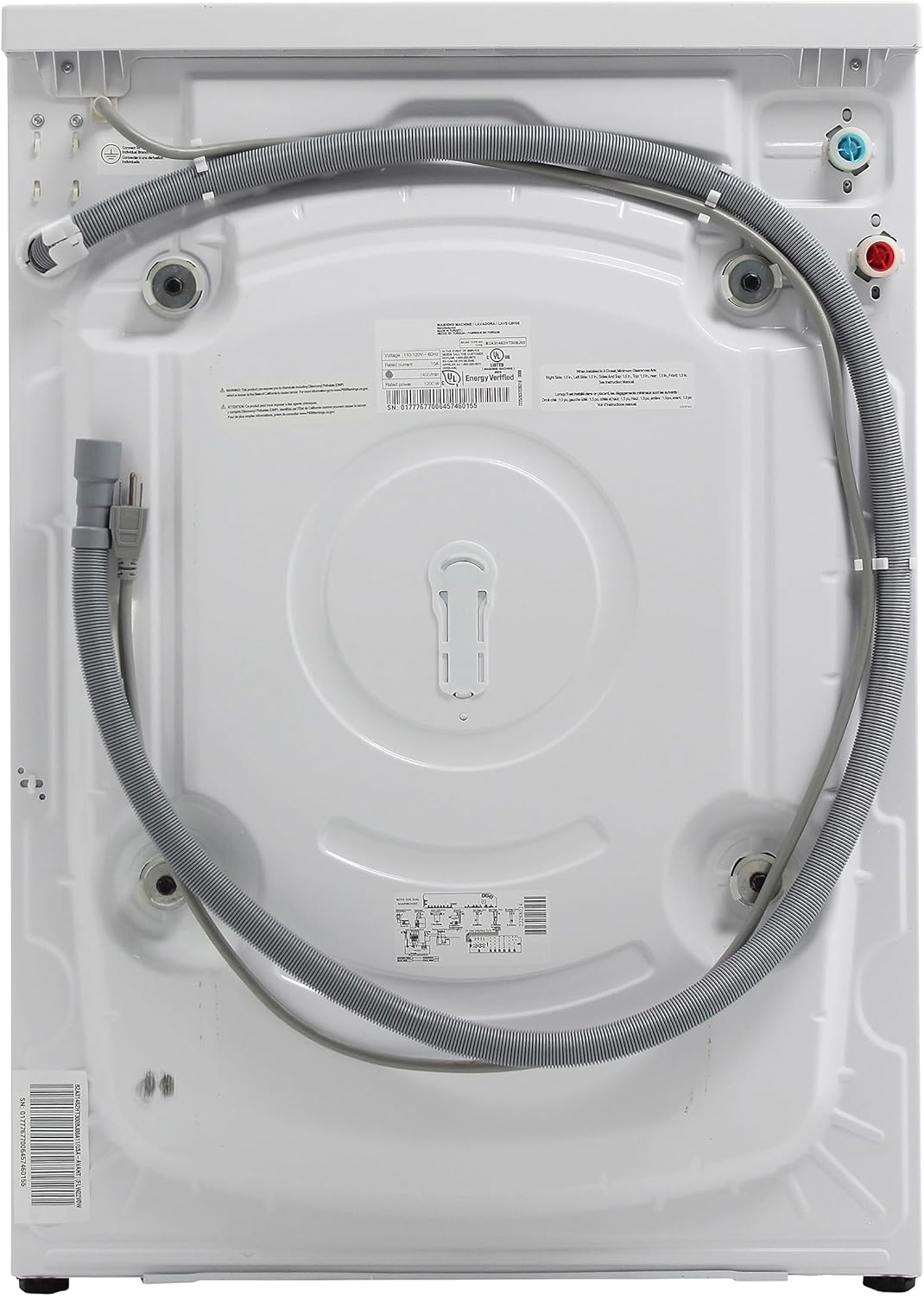
The West Bend Washer’s stackable design and compact dimensions make it an excellent choice for users with limited space, but the installation process requires careful consideration. The machine’s 2.2 cubic foot capacity is ideal for small apartments, RVs, or laundry rooms with tight storage constraints, but the installation process involves securing the washer and dryer in a compatible stacked configuration. The product dimensions (29.5″ x 32″ x 44.5″) ensure it fits in standard laundry setups without requiring excessive clearance, but users must verify that their space can accommodate the machine’s footprint. The absence of specific installation instructions in the product details means users should refer to the care and use manual for detailed setup guidance.

Stackable Design for Space Optimization
The stackable feature of the West Bend Washer allows for efficient use of vertical space, making it ideal for apartments, RVs, and small laundry rooms. When paired with a compatible dryer, the washer and dryer can be stacked, reducing the need for separate floor space. However, users must ensure that their laundry area can accommodate the combined height of the stacked units, which may require additional clearance. The compact dimensions (29.5″ x 32″ x 44.5″) facilitate installation in tight spaces, but the lack of specific installation instructions means users should consult the care and use manual for detailed setup guidance. This design consideration is particularly relevant for users in urban environments where space is at a premium.
Installation Considerations and Clearance Requirements
The West Bend Washer’s installation requires careful attention to clearance and placement, particularly when using the stackable design. The machine’s dimensions (29.5″ x 32″ x 44.5″) are designed to fit in standard laundry setups, but users must ensure that their space can accommodate the washer’s footprint without requiring additional modifications. The stackable configuration may necessitate additional clearance for the dryer, which could impact the overall layout of the laundry area. Users should also consider the machine’s placement to ensure optimal vibration control and noise reduction, particularly in shared spaces or residential areas. The absence of specific installation instructions in the product details means users should refer to the care and use manual for detailed guidance on setup and placement.

Pros & Cons
Pros
- Compact Design: The 2.2 cubic foot capacity is ideal for small spaces, making it suitable for apartments, RVs, and laundry rooms with limited storage. The stackable feature allows for efficient use of vertical space without requiring additional floor area.
- Versatile Cycle Options: The 15 automatic cycles and five water temperature settings provide flexibility for different fabric types and washing needs, including specialized cycles for delicates and heavy-duty fabrics.
- User-Friendly Controls: The electronic controls with LED display offer intuitive operation, allowing users to easily select and monitor their washing cycles without manual adjustments.
- Space-Saving Installation: The machine’s dimensions (29.5″ x 32″ x 44.5″) are designed to fit in standard laundry setups, making it a practical choice for users with limited clearance.
- Durable Construction: The stainless steel drum and sealed design contribute to long-term durability and resistance to corrosion, ensuring reliable performance over time.
- Efficient Water Extraction: The five spin speed settings enhance water removal, reducing drying time and energy consumption for subsequent drying processes.
Cons
- Limited Capacity: The 2.2 cubic foot capacity may not suffice for larger households or frequent heavy laundry loads, requiring multiple cycles for complete washing tasks.
- No Energy Efficiency Certifications: The absence of specific energy efficiency ratings makes it difficult to assess long-term operational costs, which could be a concern for environmentally conscious users.
- Noise Considerations: While the front-load design reduces vibration, the compact size may result in higher noise levels compared to larger models, which could be a drawback for users in sensitive environments.
- Installation Complexity: The stackable configuration requires careful placement and clearance for the dryer, which may necessitate additional setup steps or modifications to the laundry area.
- Limited Temperature Settings: The five water temperature settings offer flexibility, but the absence of more specialized options may restrict customization for specialized laundry needs.
Final Verdict: Who This Washer Is Best For (and Who Should Skip It)
The West Bend Washer is best suited for small households, singles, couples, or individuals with limited storage space. Its compact design, stackable feature, and versatile cycle options make it an ideal choice for apartments, RVs, and small laundry rooms. The machine’s ability to handle mixed loads efficiently and its user-friendly controls ensure reliable performance without requiring extensive manual adjustments. However, users with larger households or frequent heavy laundry needs may find the 2.2 cubic foot capacity insufficient, as it requires multiple cycles for complete washing tasks. The absence of energy efficiency certifications and potential noise considerations also make it less suitable for environmentally conscious users or those in shared living spaces. Overall, the washer offers a practical solution for space-conscious buyers seeking a balance between performance and efficiency, but its limitations may exclude users with more demanding laundry requirements.

Frequently Asked Questions (FAQs)
Is this washer suitable for small households?
The West Bend Washer’s 2.2 cubic foot capacity is ideal for small households, singles, couples, or individuals with limited storage space. Its stackable design and compact dimensions make it well-suited for apartments, RVs, and small laundry rooms, offering efficient space utilization without compromising essential functionality.
How does the stackable design work?
The washer can be stacked with a compatible dryer, optimizing vertical space in small laundry areas. This design allows users to install both appliances in a compact footprint, making it practical for apartments or RVs where floor space is limited. The stackable configuration requires proper clearance for the dryer to ensure stable operation.
What are the energy efficiency ratings?
The product specifications do not include explicit energy efficiency certifications like ENERGY STAR. However, the front-load design inherently reduces energy consumption compared to top-load models, and the machine’s ability to handle mixed loads efficiently may contribute to lower overall energy use. Users should consider cycle duration and water extraction rates as indirect indicators of efficiency.
Can this washer handle heavy laundry loads?
The 2.2 cubic foot capacity is designed for smaller to medium-sized loads, making it suitable for single individuals or couples. While it can manage mixed loads through its five spin speed settings, frequent heavy laundry needs may require multiple cycles, which could impact efficiency and energy use.
What are the noise levels like?
The front-load design reduces vibration compared to top-load models, but the compact size may result in higher noise levels during operation. Users in shared spaces or residential areas should consider the machine’s placement to minimize noise, particularly for nighttime cycles. The stackable configuration may also influence sound transmission.
Is this washer easy to use?
The electronic controls with LED display provide intuitive operation, allowing users to easily select and monitor their washing cycles. The 15 automatic cycles and five water temperature settings offer flexibility for different fabric types, making the machine user-friendly without requiring manual adjustments.
What maintenance is required?
The stainless steel drum and sealed design contribute to long-term durability and resistance to corrosion, reducing the need for frequent maintenance. Users should follow the care and use manual for detailed instructions on cleaning the drum filter and vent system to ensure optimal performance.