
Clothes dryers: vented, ventless, heat pump, and the 240-volt question
A dryer is decided by two things the listing puts near the bottom: whether it needs a vent to the outside, and what voltage it runs on. Everything else on the specification sheet follows from those.
What the category is
Vented dryers blow hot, damp air out through a duct to the outside; they are the standard, the fastest and the cheapest to buy, and they need the duct. Ventless condenser dryers cool the damp air and collect the water in a tank or send it down a drain; they go anywhere with a socket. Heat pump dryers are ventless too, use a fraction of the electricity, and dry at a lower temperature for longer. Most full-size dryers are 240-volt electric or gas; compact and ventless models are often 120-volt, which is the whole reason they exist.
How to read the spec sheet
Venting is the first line, because a vented dryer cannot go in a cupboard, a flat or an inside room without ductwork. The sheet says vented, ventless, condenser or heat pump; a review should turn that into what it means for where the machine can go.
Voltage is the second. 240-volt electric or gas needs the laundry outlet most houses have and most flats do not; 120-volt plugs into any socket and dries more slowly. Gas needs a gas line and its own installation.
Drum capacity in cubic feet: 7 and above is full-size and takes the load from a 4.5-cubic-foot washer; 4 is compact; 2 and under is a portable. A dryer’s drum should be roughly twice the washer’s for the load to tumble.
Cycle time, where stated, is the number heat-pump and 120-volt buyers should read twice: energy efficiency is bought with time, and a two-hour dry is normal for both.
Sensors and cycles: moisture sensing stops the cycle when the load is dry instead of when the timer runs out, and is the feature that saves both electricity and shirts. Steam, sanitize, wrinkle-guard and delicate cycles are named on the sheet.
Reversible door and stacking: whether the door hinges either side and whether a stacking kit exists for the matching washer decide whether it fits the space.
Energy: annual kilowatt-hours and Energy Star status. A heat-pump dryer’s figure is the reason to consider one at all.
Who it suits
A vented 240-volt dryer for a house with the duct and the outlet; a heat-pump or condenser dryer for a flat, a cupboard, an inside room, or a household that wants the running cost down; a 120-volt compact for a space with an ordinary socket and no laundry outlet.
Who should skip it
Anyone whose laundry is one person’s in a small room: a portable dryer is cheaper, lighter and plugs in anywhere. Anyone without the outlet or the vent should read the ventless lines above before anything else.
Where to start
Six of the 21 clothes dryers washers and dryers reviewed on this site, one per model, across manufacturers. Every review is written from the manufacturer’s published specifications — how, and what that leaves out.
- Samsung 4.0 Cu Ft Heat Pump Dryer
- GE Profile PTW700BPTDPR Gray Top Load Washer/Dryer
- Kenmore 8.0 cu. ft. Front Load Electric Dryer
- Midea MLE25H7BWW Heat Pump, Ventless Front Load Dryer
- BLACK+DECKER BFLD80ME 8.0 Cu. Ft. Electric Dryer
- Samsung 7.5 Cu. Ft. Smart Dial Electric Dryer
All 21 clothes dryers washer or dryer reviews
Newest first. Consumables, accessories and parts that were once filed here are excluded.
-
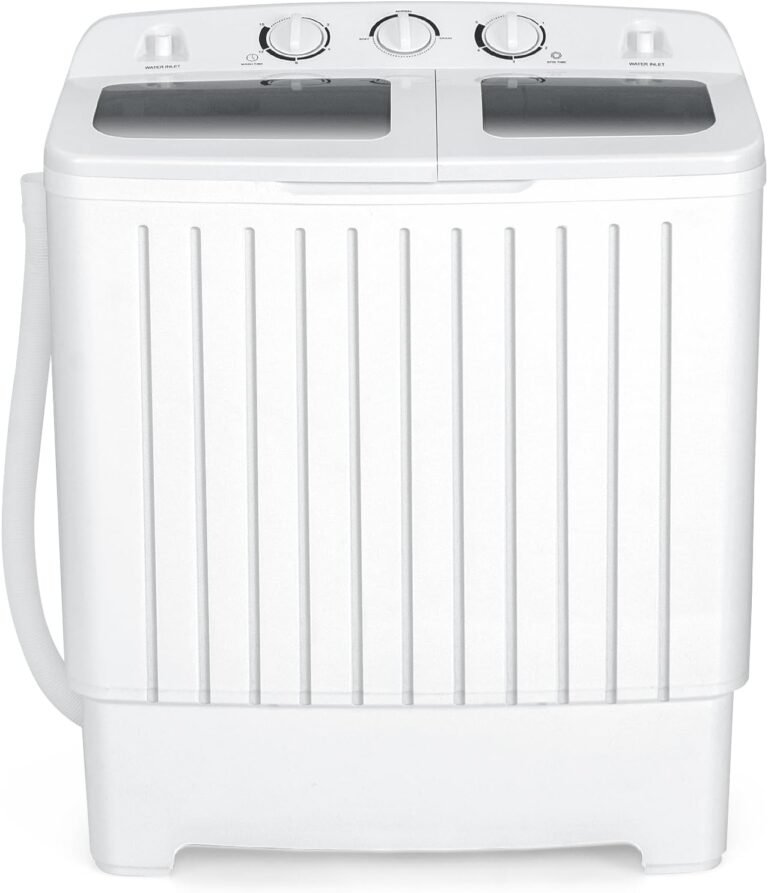
COSTWAY Portable Washing Machine, 12lbs Washer Review
Evaluate the COSTWAY Portable Washing Machine’s dual-tub design, 12lbs washing capacity, and compact size for small spaces.
-
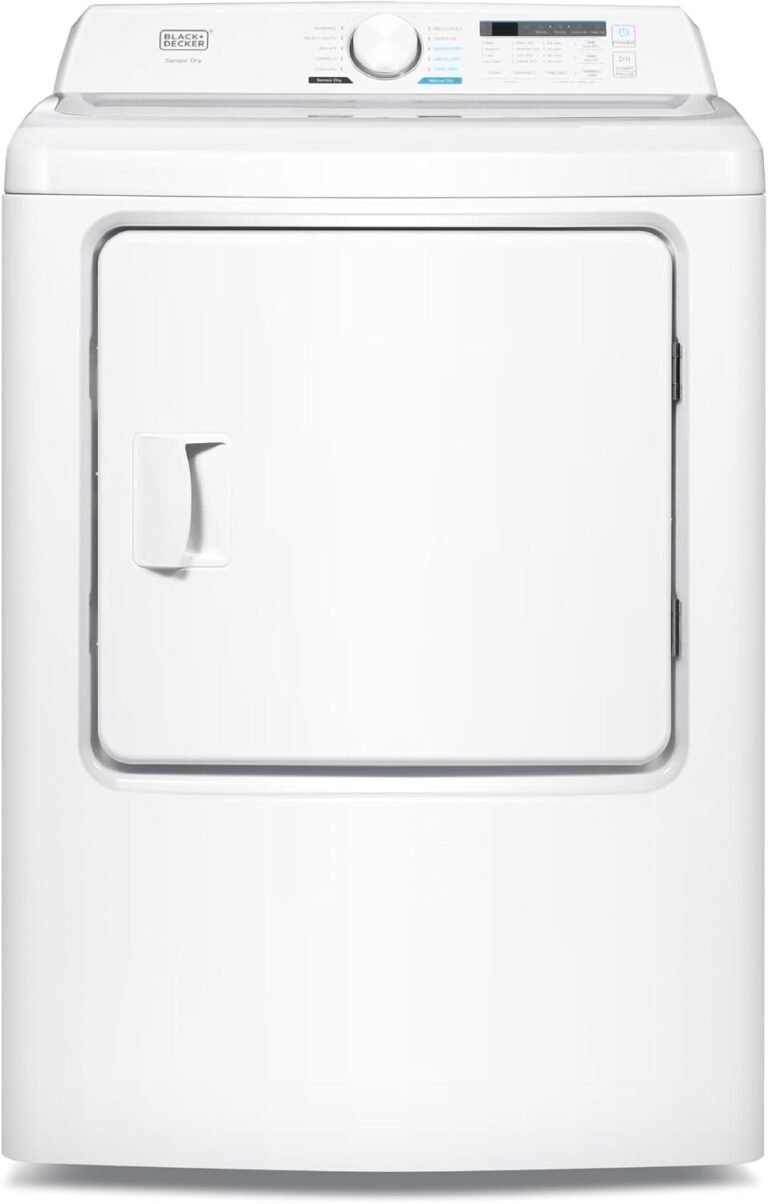
BLACK+DECKER BLD67ME 7.0 Cu. Ft. Front Load Dryer Review
This BLACK+DECKER 7.0 Cu. Ft. front load review covers sensor drying, capacity, controls, energy use, noise, and installation to guide buying decisions.
-
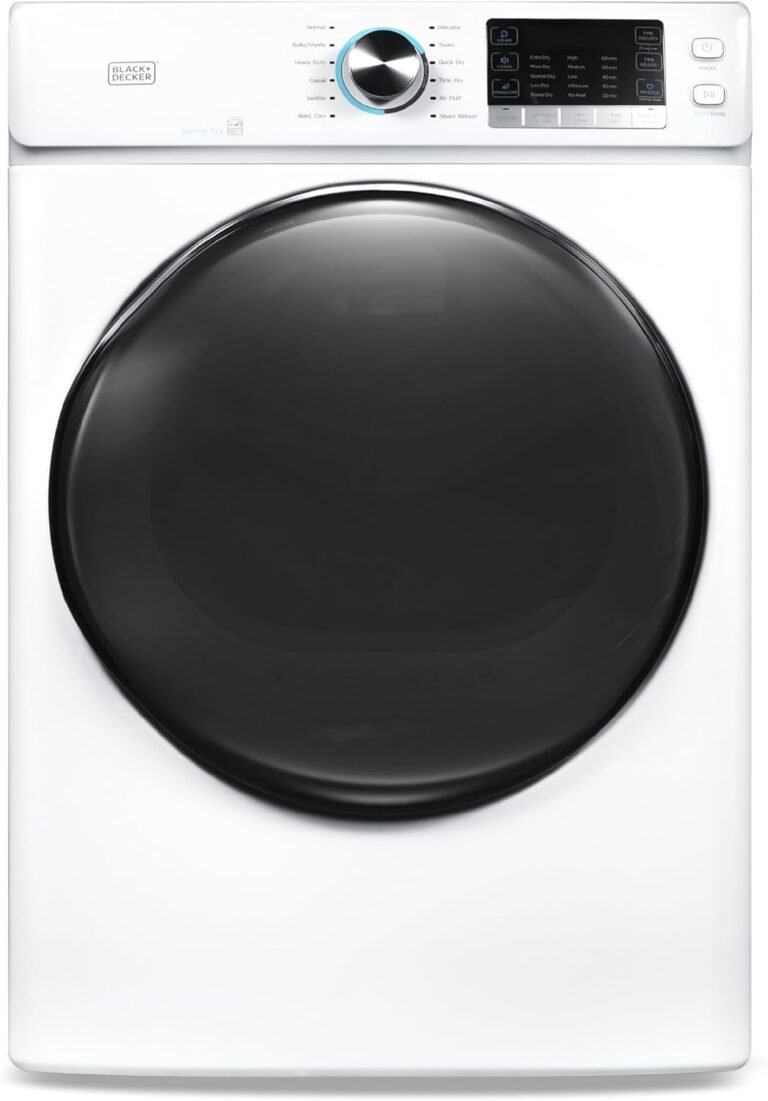
BLACK+DECKER BFLD80ME 8.0 Cu. Ft. Electric Dryer Review
This black+decker 8.0 cu. ft. electric front review covers steam drying, sensor cycles, ENERGY STAR efficiency, installation, and household fit for 2026…
-
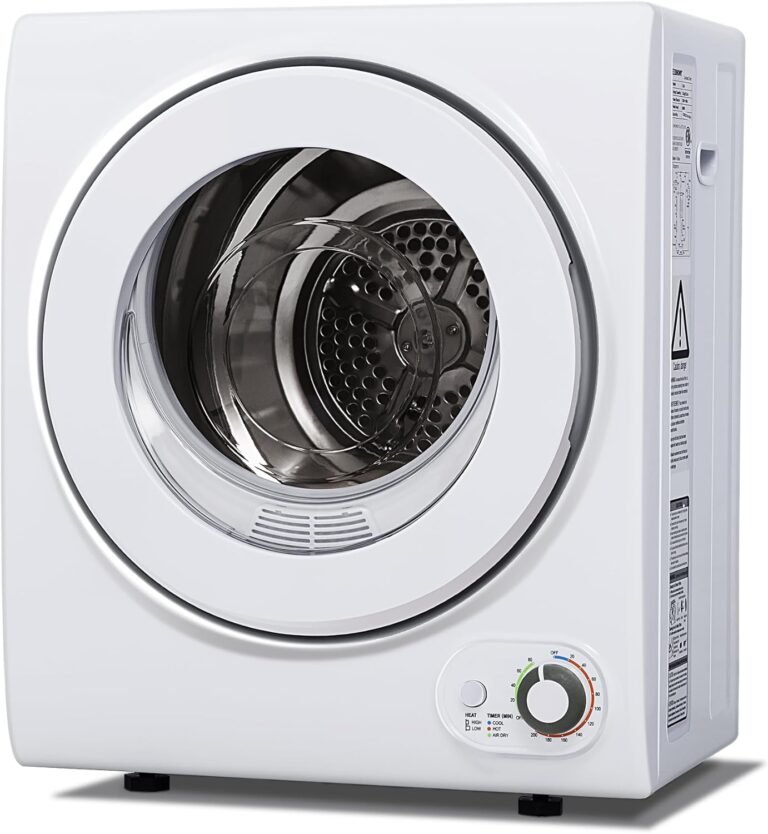
Euhomy Portable Dryer 1.5 cu. ft., Review
Evaluate the Euhomy Portable Dryer 1.5 cu. ft. for energy efficiency, space-saving design, and multi-mode drying.
-
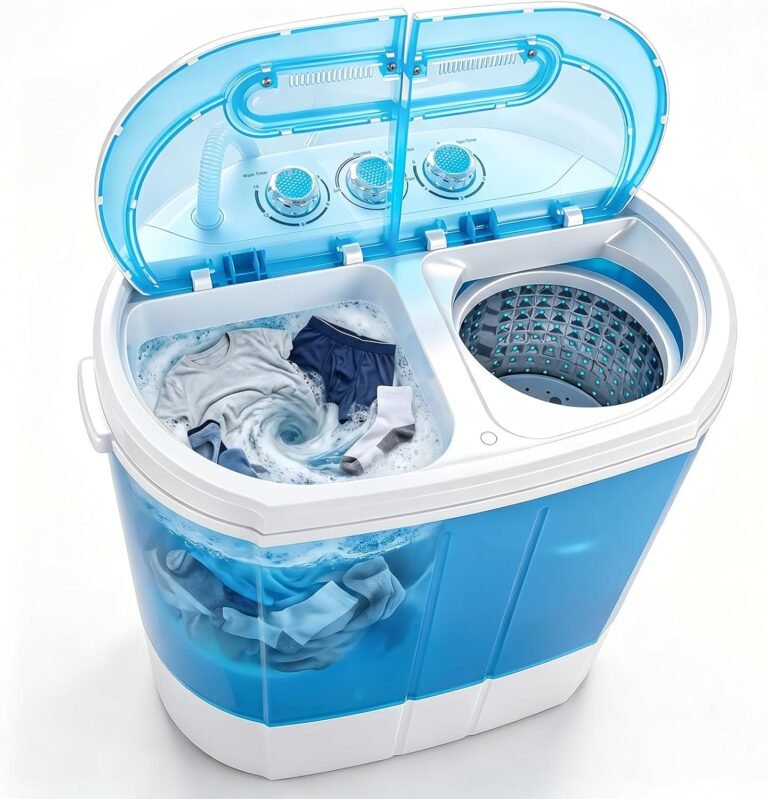
ZenStyle Portable Washer Compact Twin Tub 9.9 LB Mini Top Load Washing Machine Washer/Spinner Review
Evaluate the ZenStyle portable washer compact twin tub for small households, dorms, and travel.
-
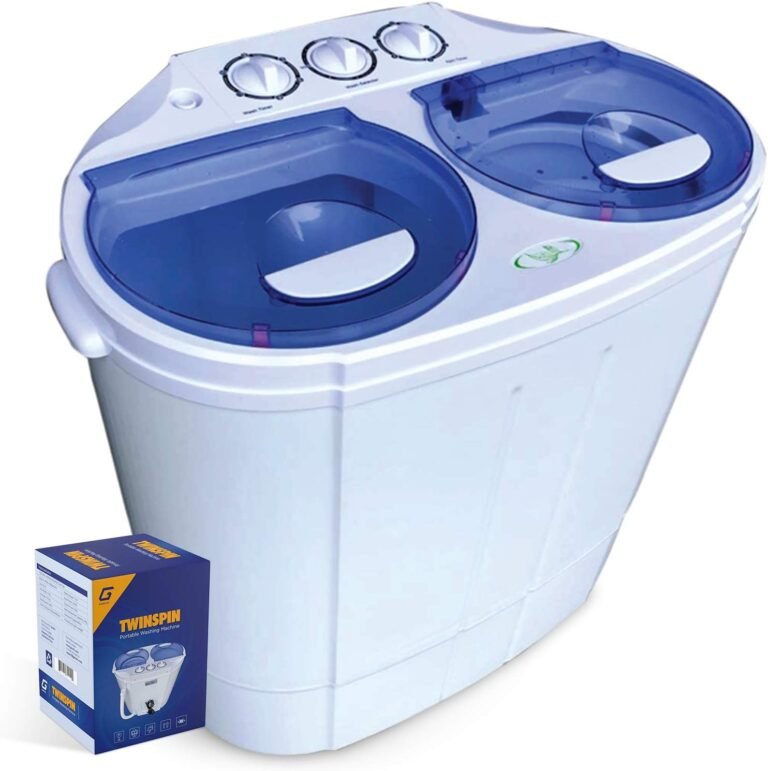
Garatic Portable Compact Mini Twin Tub Washing Machine Review
Review of Garatic portable twin tub washer with 13lbs capacity for small spaces. Compare energy efficiency, portability, and load management in 2026.
-
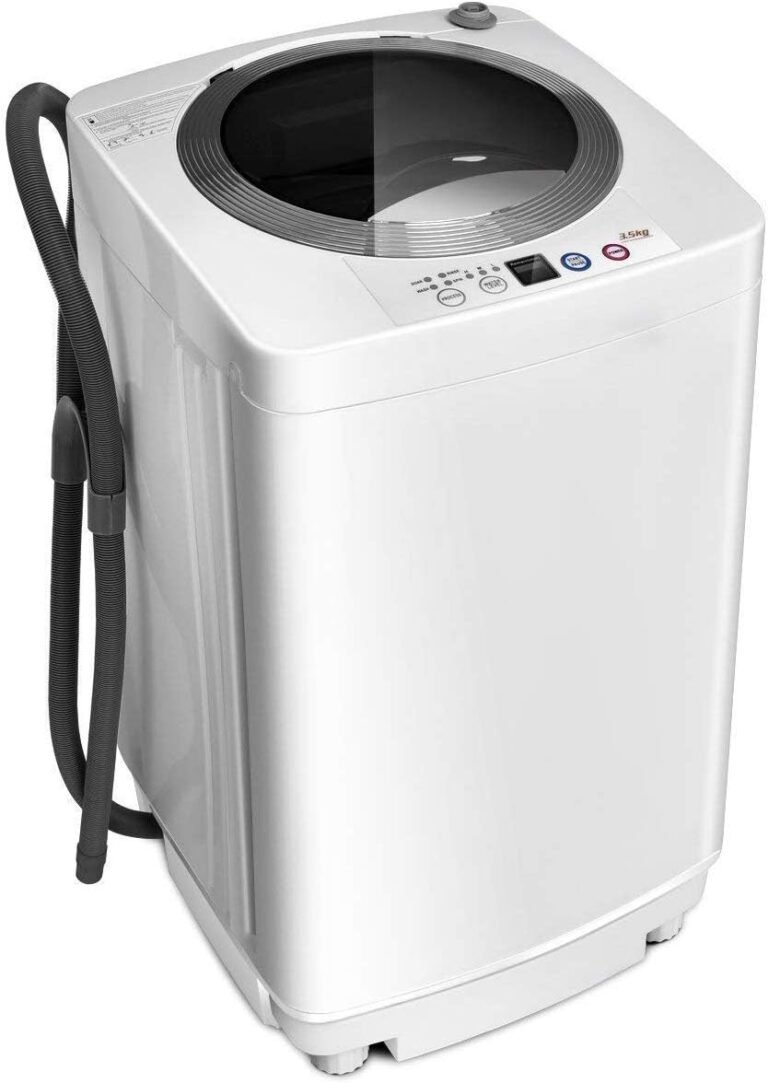
Giantex Portable Washing Machine, Full Automatic Review
Evaluate the Giantex portable washing machine’s 8-pound capacity, compact design, and 6 washing modes.
-
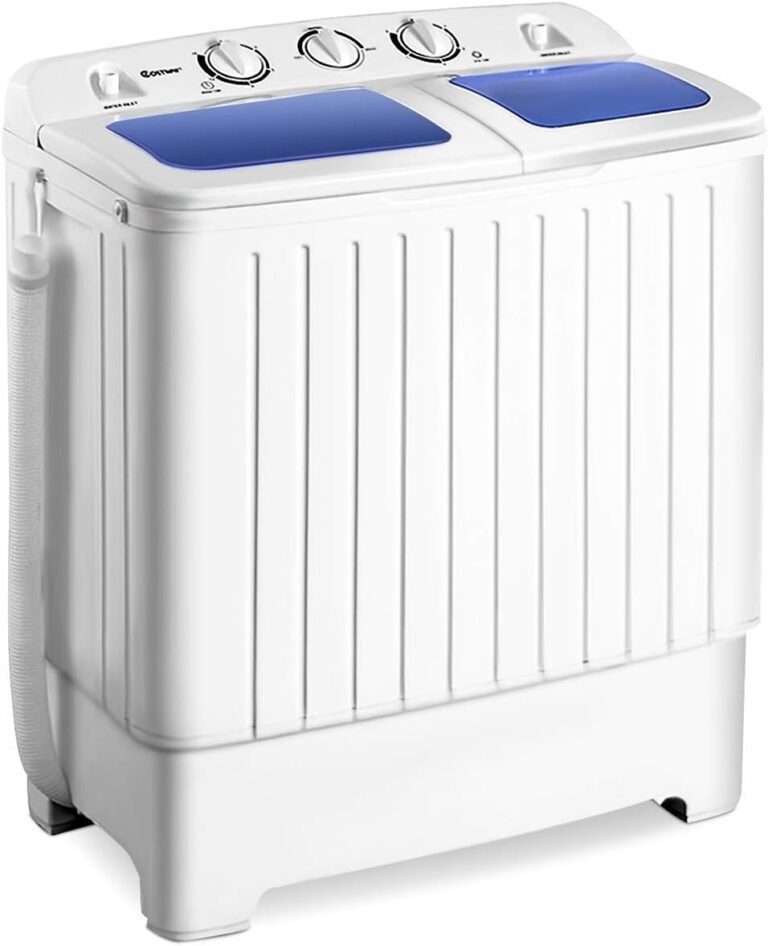
Giantex Portable Mini Compact Twin Tub Washing Machine Review
Evaluate the Giantex portable mini compact twin tub washing machine’s load capacity, energy efficiency, and user-friendliness.
-
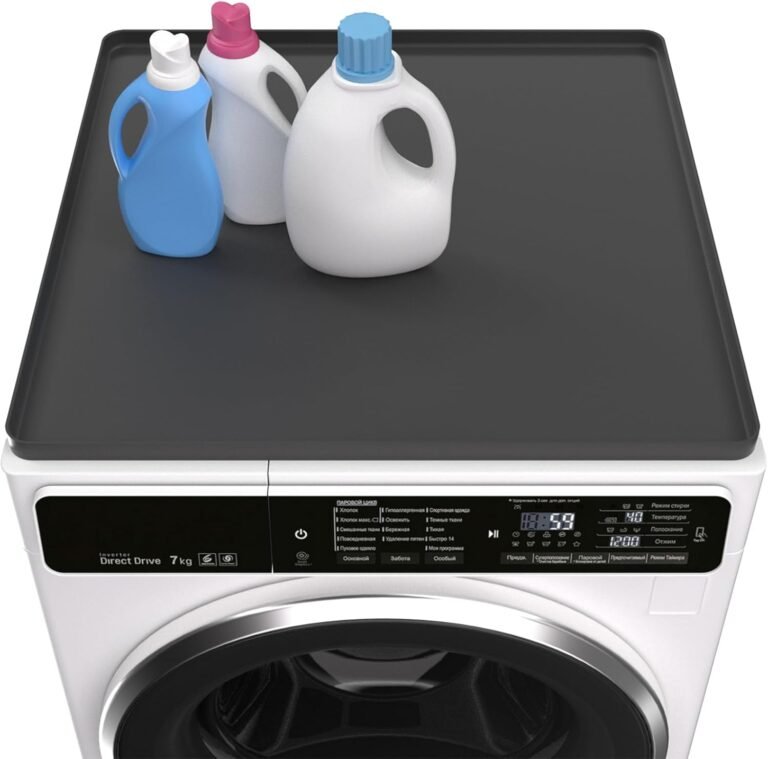
Protecting Your Washer & Dryer: A Deep Dive Into the 27×27″ Silicone Cover Mat
Explore the 27×27″ silicone cover mat’s durability, ease of cleaning, and non-slip design. Ideal for protecting washer and dryer tops, this review…
-
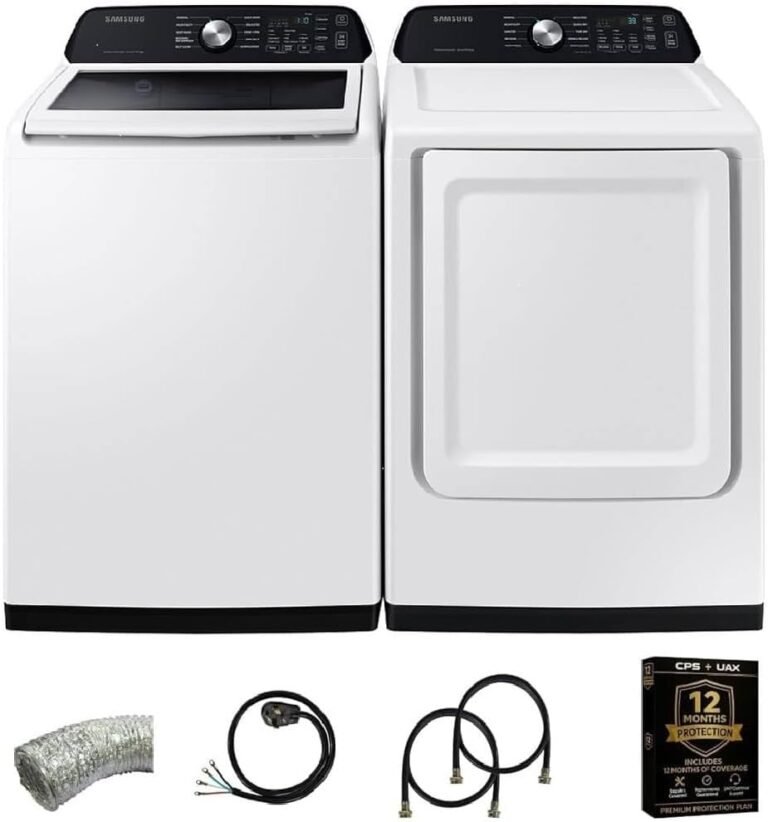
Samsung Smart Washer & Dryer Combo Review: Efficiency, Capacity, and Smart Integration
Evaluate the Samsung Smart Washer & Dryer Combo for load capacity, energy efficiency, and smart features. Learn about performance, installation, and long-term…
-
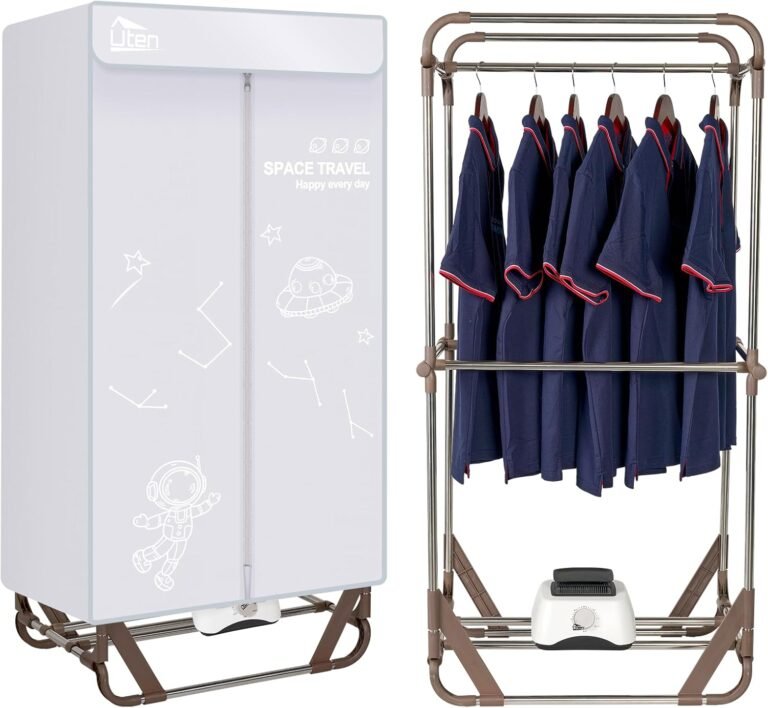
Uten Clothes Dryer Review: 1500W Power, 2-Tier Design, and Foldable Storage for Modern Laundry Needs
Evaluate the Uten Clothes Dryer’s 1500W power, 2-tier design, and foldable storage for modern laundry needs. Compare drying speed, noise levels, and…
-
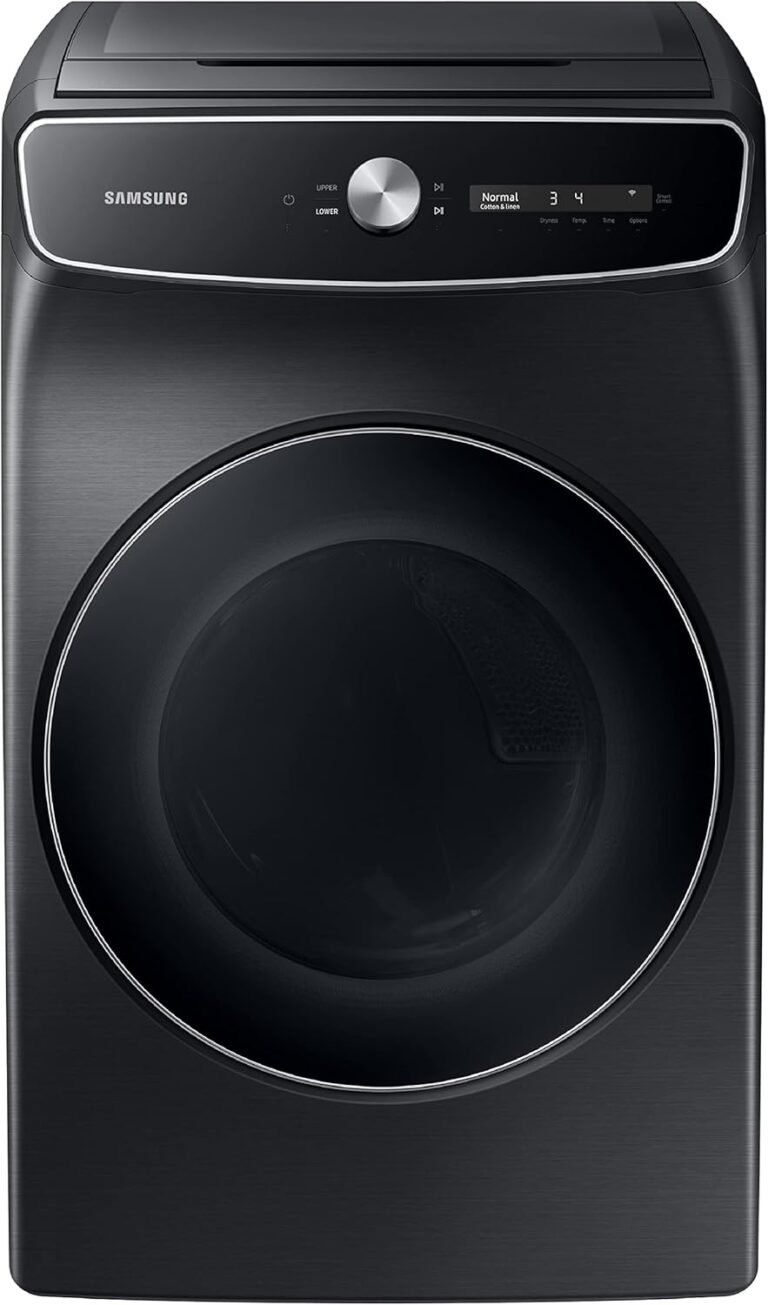
Samsung 7.5 Cu. Ft. Smart Dial Electric Dryer Review: FlexDry, Energy Efficiency, and Laundry Flexibility
Evaluate the Samsung 7.5 Cu. Ft. Smart Dial Electric Dryer with FlexDry for load capacity, energy efficiency, and smart features. Explore its…