
Washing machines: capacity, spin speed, and front or top
A washing machine is plumbed in and stays put. Front-load, top-load, compact and washer-dryer combo are the four shapes it comes in, and the specification sheet for all of them starts with the drum and the spin.
What the category is
Front-load washers tumble clothes through a shallow pool of water, use less water and detergent, spin faster, and stack under a dryer; they take longer per cycle and their door seal needs airing. Top-load washers with an agitator are the traditional machine: fast cycles, easy loading, more water; top-loaders with an impeller instead of an agitator sit in between. Compact washers are 24 inches wide instead of 27 and fit a cupboard or a stack in a flat. Washer-dryer combos do both in one drum, at the cost of a small dry load and a long cycle.
How to read the spec sheet
Drum capacity in cubic feet is the first figure. Around 4.5 is ordinary for a full-size machine, 5 and above is large, and compact machines run 2 to 2.5. It is a volume, not a weight, and the comparable number across every full-size washer.
Spin speed in rpm decides how wet the clothes come out. 1,200 rpm and above is a fast spin that saves dryer time or line time; 800 is gentle and leaves clothes heavy. Front-loaders spin faster than top-loaders as a rule, and the sheet says exactly how fast.
Width: 27 inches is standard and 24 inches is compact, and the difference is whether it fits the alcove. Depth with the door open and the height with the lid up are on the sheet for the same reason.
Cycles: the count is marketing; the names are useful. Quick wash, heavy duty, delicates, a sanitize or allergen cycle with hot water, and a steam option are the ones that get used. A load sensor, where listed, sets the water level to the load.
Water and energy: gallons per cycle and annual kilowatt-hours appear on the energy label, and Energy Star is the shorthand. Front-loaders win both by design.
Stackable: a front-loader with a matching dryer and a stacking kit becomes a column; a top-loader never does. The sheet names the kit.
Voltage: washers run on a standard 120-volt socket; the dryer beside it usually does not, which is the dryer hub’s first subject.
Who it suits
Any home with a plumbed laundry space. A front-loader for a household that pays for water and stacks its machines; a top-loader for one that wants a fast cycle and never wants to bend; a compact for a flat; a combo for a home with room for one machine and small loads.
Who should skip it
Anyone without plumbing to give it: a portable washer that connects to a tap is the machine for a rental or a room with only a sink.
Where to start
Six of the 22 washing machines washers and dryers reviewed on this site, one per model, across manufacturers. Every review is written from the manufacturer’s published specifications — how, and what that leaves out.
- LG 5.2 cu. Ft Stackable Smart Washer
- Kenmore 4.4 cu. ft. Top Load Washer
- Speed Queen Home Style Washer
- West Bend Washer
- 2-in-1 Front Load Washer and Dryer Combo 24″ Compact All-in-One Washer Dryer for Small Spaces
- Amana NTW4516FW Washer
All 22 washing machines washer or dryer reviews
Newest first. Consumables, accessories and parts that were once filed here are excluded.
-
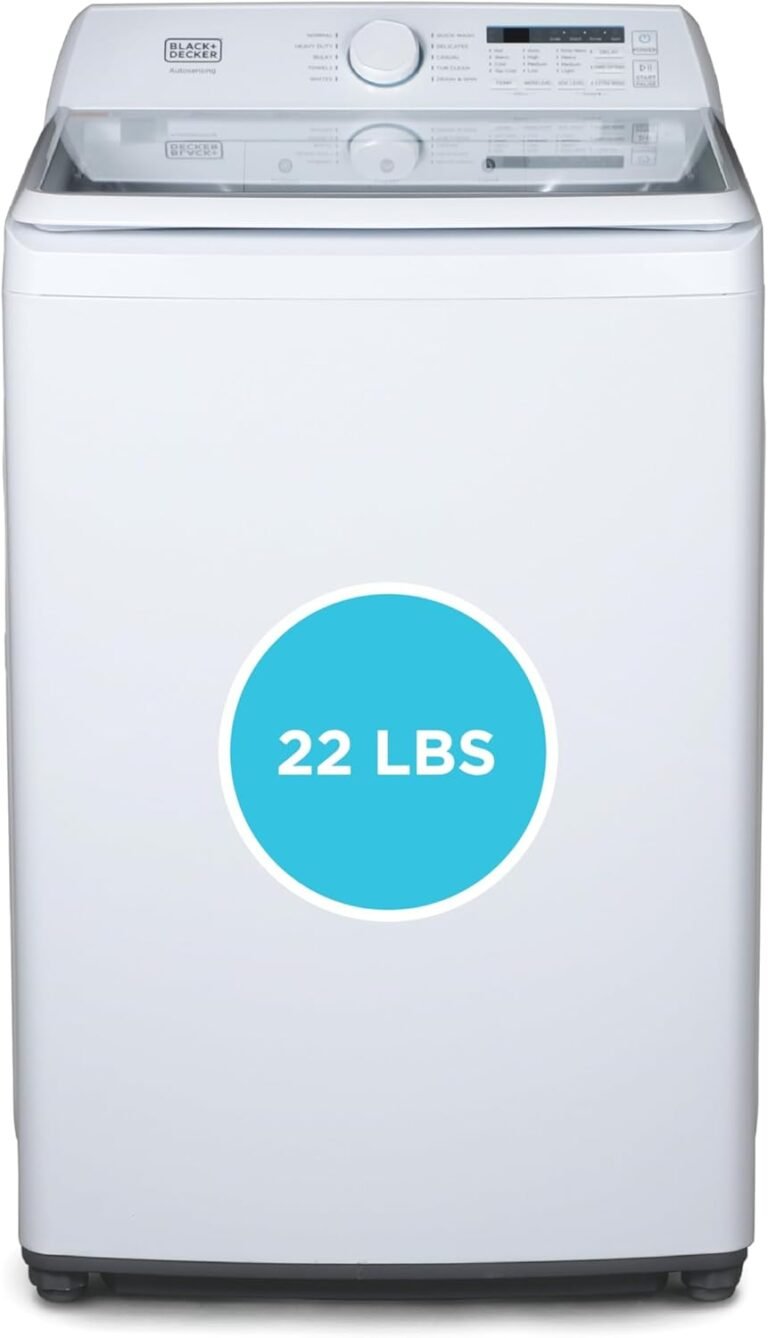
BLACK+DECKER 4.1 Cu. Ft. Washer Review: Capacity, Efficiency, and Performance Analysis for 2026
Evaluate the BLACK+DECKER 4.1 Cu. Ft. washer’s capacity, efficiency, and performance for 2026. Compare load capacity, cycle options, and energy use for…
-
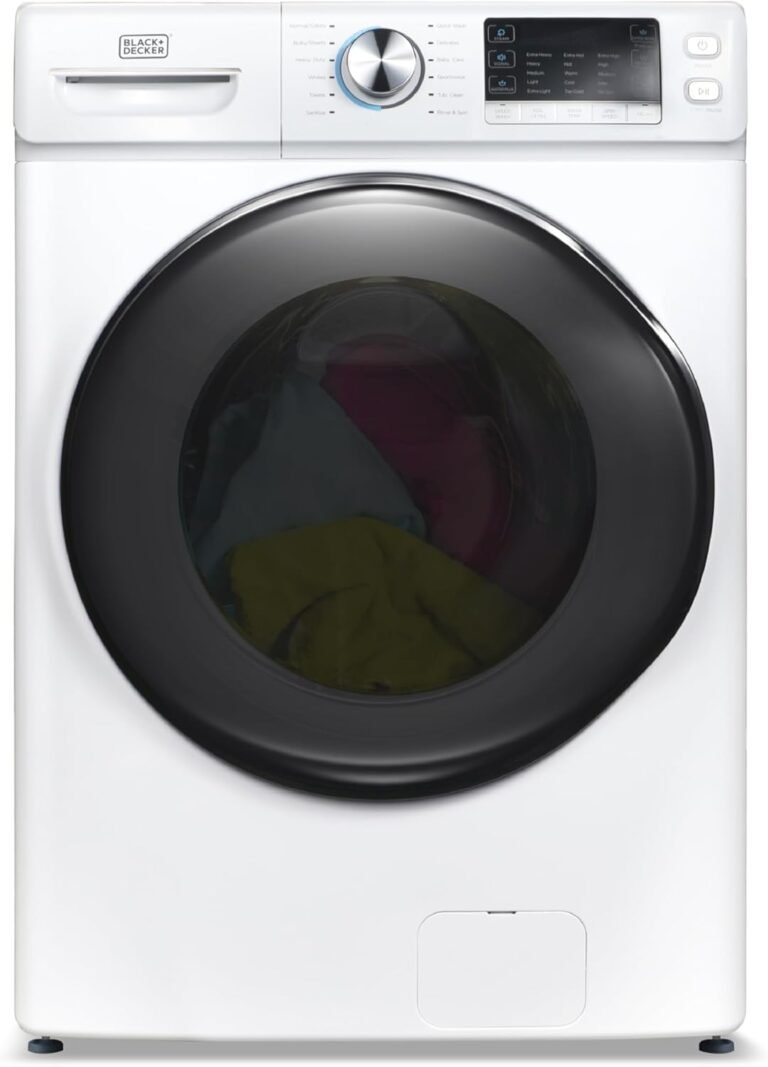
BLACK+DECKER 4.5 Cu. Ft. Washer Review: 12 Cycles, Energy Efficiency, and 24-Hour Delay Start
Evaluate the BLACK+DECKER 4.5 Cu. Ft. Front Load Washer for energy efficiency, 12 cycle options, and 24-hour delay start. Learn about capacity,…
-
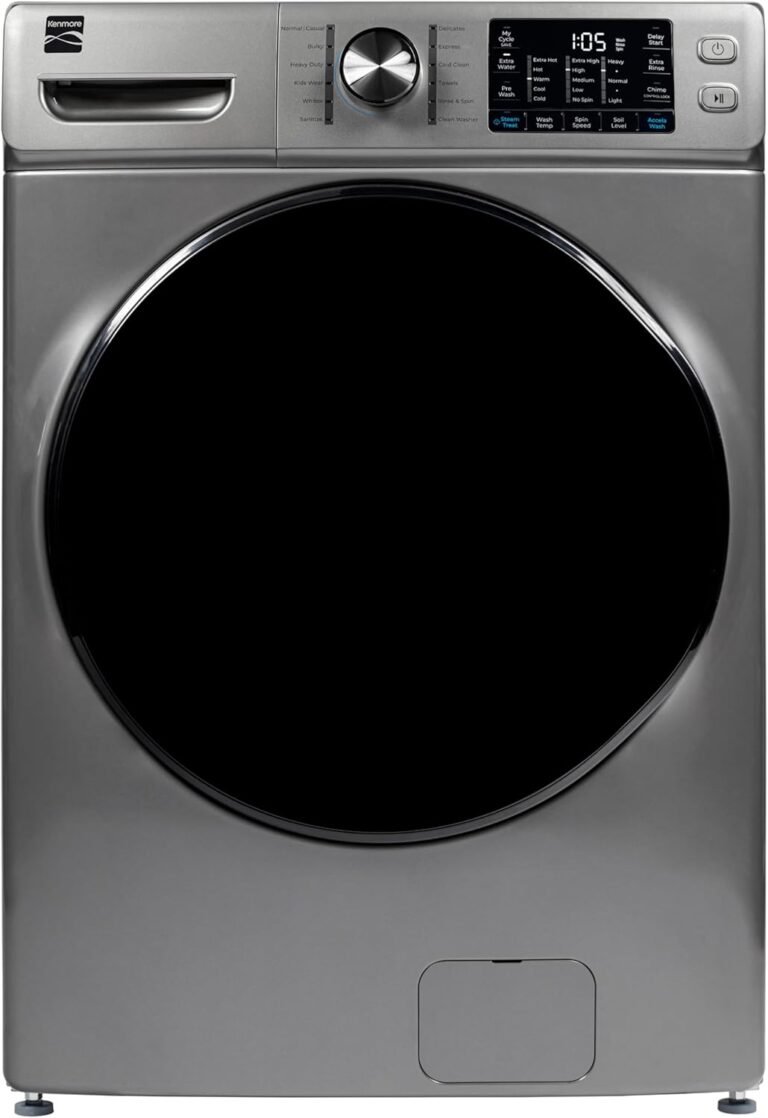
Kenmore 4.5 cu. ft. Front Load Washer Review: Efficiency, Capacity, and Stain Removal in 2026
Evaluate the Kenmore 4.5 cu. ft. Front Load Washer with Steam Treatment for energy efficiency, stain removal, and fabric care. Learn about…
-
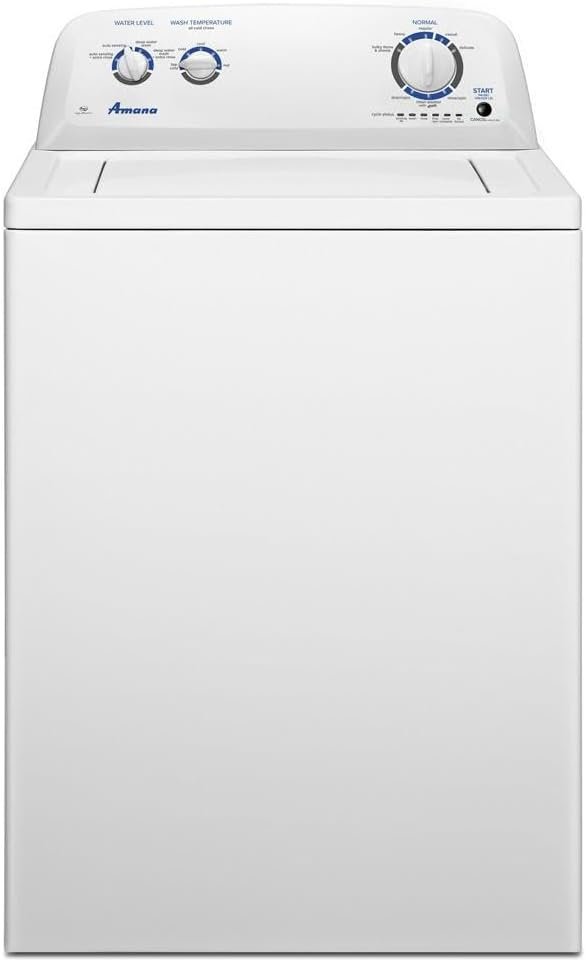
Amana NTW4516FW Washer Review: 3.5 Cu. Ft. Refurbished Performance
Evaluate the Amana NTW4516FW washer’s 3.5 cu ft capacity, 700 RPM spin, and 8 cycles for small to medium households. Compare efficiency,…